
After reviewing Criterion’s World Cinema Project sets one and two, today I’m back to look at their most recent release. Lucía, released in Cuba in 1968, tells the stories of three women who share the name, at 3 moments of political unrest in the country. It starts in 1895 during Cuba’s war of independence from Spain. Lucía meets Rafael, a man who purports to not be interested in the politics or the war, but he seems a bit too interested in Lucía’s family’s coffee plantation in the mountains, where freedom fighters, including Lucía’s brother, are based. The second segment takes place in the early 1930s, and Lucía and her mom are in the Florida Keys while the country is facing new unrest. There are uprisings in Havana against President Machado. In the keys, Lucía meets Aldo, a fighter recovering in a boathouse on her family’s land. He goes back to Cuba when he is well, and Lucía follows him there. When Machado is removed from power, Aldo is left wondering what they were fighting for. The final act takes us up the 1960s and the reformations under Castro’s communist government. This version of Lucía is newly married to Tomás, but finds that marriage is not what she expected. The conservative Tomás doesn’t want her to work, and is jealous if any men come around, so he forbids her to leave their house. As part Casto’s plans, all residents must learn to read and write, so a literacy teacher is sent to live with the newlyweds, which sends Tomás up the wall. All of the segments are united in the idea that the country comes first, above personal relationships, but it doesn’t come off as pure propaganda. I enjoyed the first part the most; the second segment felt a bit rushed, almost as if it could have been stretched out and made a whole movie on its own; the third was just OK. ★★★
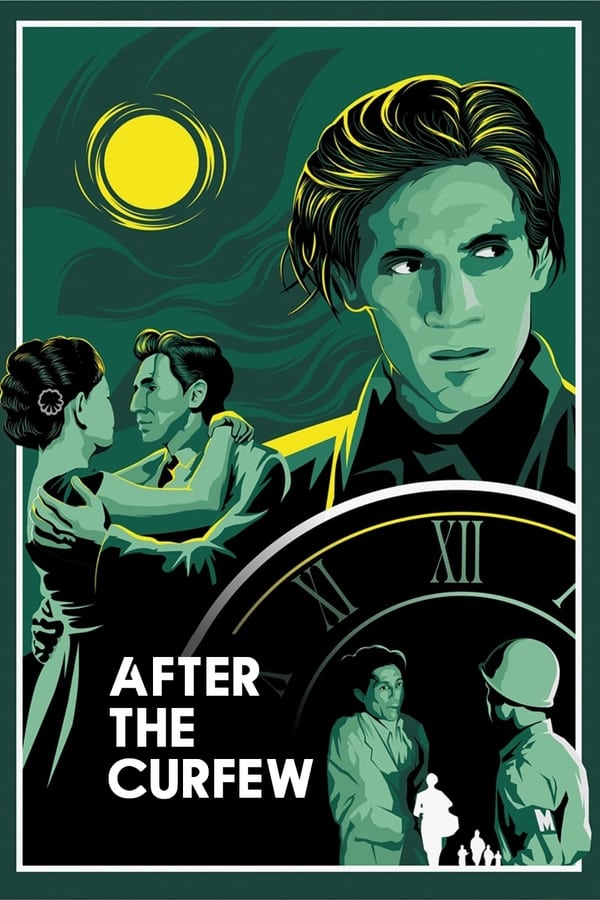
After the Curfew, from 1958 in Indonesia, shows a man picking up the pieces of his life after his country has just gained their independence from the Dutch in 1949. Iskandar was a freedom fighter during the conflict and has been away for five years, just now returning to his fiancee Norma, and trying to pick up where he left off. He’s having a hard time doing so. After Norma has already waited five years, Iskandar is anxious to get a job so he has money to marry and support her, but he doesn’t seem suited to anything after the life of a soldier. First his soon-to-be father-in-law hires him, but Iskandar flames out on his first day. He then tries approaching his friends from combat, but they either don’t have anything for him right away, or are facing their own demons. Ultimately, after so many years of a soldier’s life, can Iskandar go back to a quiet existence? A good film, even if I think it borrows a little too hard from Hollywood noir, rather than try to find its own footing. ★★½

Pixote (out of Brazil) follows a young boy led down a life of crime. Pixote seems like a good kid hanging around the wrong crowd, and in the beginning of the film, he is rounded up with a bunch of street kids and sent to a juvenile hall. Inside, he starts his true descent, from the influence of both the older boys, and from the sadistic guards. The guards use the boys for sport, obviously on the down low, keeping it from the state inspectors when they come around. After a boy is killed and his gay boyfriend framed for the murder, Pixote and a couple of the others decide they’ve had enough, and escape. Life on the outside isn’t any better. They begin stealing, but are just scraping by. They try to run drugs, and are double crossed. In the end, Pixote ends up alone, having committed heinous crimes from which he will not be able to escape. The movie unfolds without a clear story; it proceeds in an almost documentary-like way and events just sort of happen along the way. Honestly for awhile I was wondering where all this was going, but the end did give us insight into Pixote’s soul, and it made it all the better. ★★★½
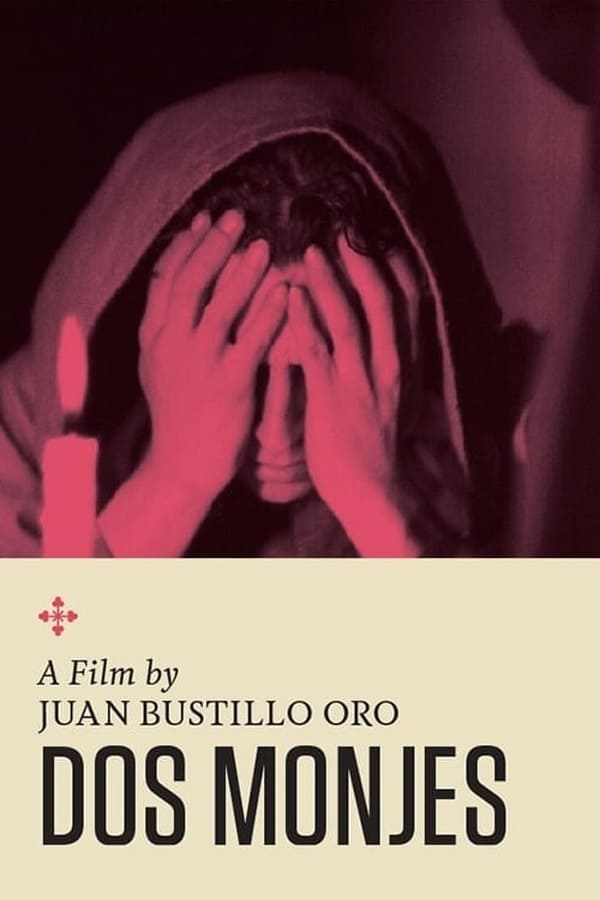
Dos monjes (Two Monks) is from the early sound film era, released in Mexico in 1934. The setting is a monastery, where Javier is sick and been lashing out verbally in his illness. The prior asks a new monk, Juan, to go and check on Javier, and when they see each other, Javier attacks him and beats him with a cross. The other monks are aghast at the sacrilege. Afterwards, Javier begs the prior to hear his story. He tells a tale of his younger days, when he fell in love with a woman, only to see her in a stolen moment with Juan, Javier’s supposed best friend. After he heals, Juan tells the prior his side of the story. He doesn’t deny his actions all those years ago, but definitely puts it in a different context. The movie was OK, but honestly the acting was terrible. It suffered from the same problem that a lot of early talkies did, in that the actors were carryovers from the silent era and were not well adapted to the new format. I couldn’t get past the acting either, even though the story was pretty good. ★★

Soleil Ô (Oh, Sun) was the first of these films today that I really enjoyed. The overarching plot is about an African immigrant from Mauritania who goes to Paris for better opportunities. However, all he is faced with is discrimination and hardship. An educated man, he tries to land several jobs in accounting, but often doesn’t make it past the front desk to an actual interviewer. After a couple days of rejections, he starts paying more attention to those around him, and starts noticing how other immigrants are facing problems too. Even what white friends he does make treat him in a condescending manner. Interspersed throughout are documentary-like interviews, and you can tell the director was heavily influenced by the French New Wave. Like a lot of films of the New Wave, the movie is a bit light on narrative, but gosh it goes along great, with a quick pace, biting commentary, and moments of sad humor (if that makes sense) as you can’t help but chuckle at the complete ignorance of the Parisians depicted in the movie. There’s a scene where a white woman is flirting with our main character (only because she’s heard about black men’s prowess in bed), and the stares the couple is receiving from passersby are ridiculous. And I had to think, were the streetwalkers actors or real citizens? With the film’s low budget and time, I almost have to think the latter. ★★★★
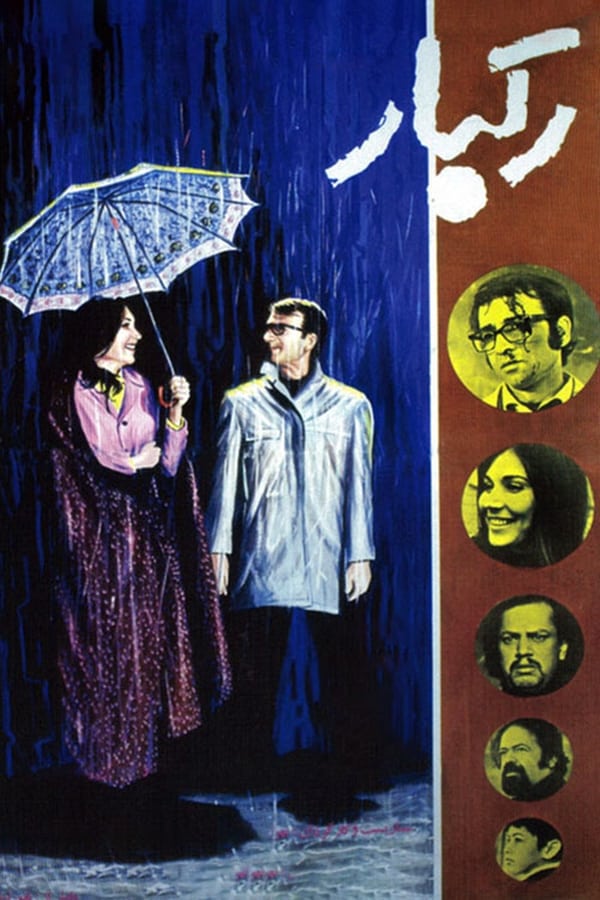
Downpour is another good one. It’s about a new teacher, Mr Hekmati, newly hired to a school in a poorer area. The film starts off on shaky ground (for my taste), with Mr Hekmati moving into his new place with all his worldly belongings on a cart, and the slapstick-ish humor that ensues on the busy street. I thought, “This is supposed to be great international cinema?” But 30 minutes in, once Mr Hekmati meets the beautiful older sister of one of his students, the movie takes off. Atefeh is the only working member of the family, trying to care for her younger brother. She’s supposed to marry the town butcher, one of the few wealthy members of the village, but he (Rahim) is a brute. When Rahim catches Mr Hekmati making eyes at Atefeh, he beats the teacher up. Mr Hekmati decides to toughen himself up and starts working out. Once he feels ready, he challenges Rahim, only to get his rear handed to him again. Afterwards, he tries his best to stay away from Atefeh, but the heart wants what it wants. The film is fun and endearing at the same time, but there’s also a lot of political innuendo, which I’m sure got the director in trouble in 1970s Iran. Atefeh is a working woman, and often goes around unveiled. There’s also a constant stream of spying: children and adults are always peaking in windows at our main characters as they go about their business, which I’m sure alludes to the government’s leaders watching their populace. Great movie, with an ending that some may find unsatisfying, but which I found perfectly fitting. ★★★★
- TV series currently watching: Star Trek Lower Decks (season 1)
- Book currently reading: Timeless by RA Salvatore

 Jons Movie Takes