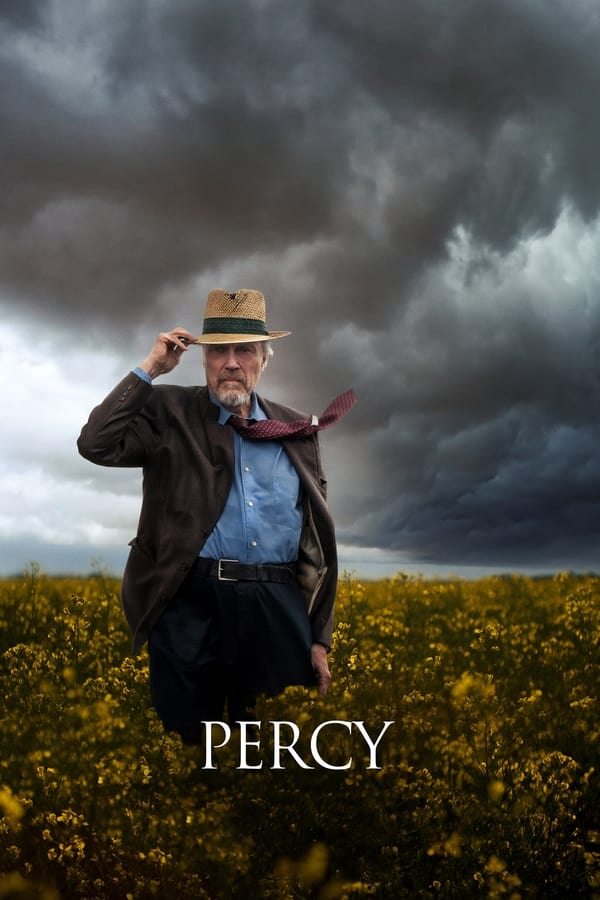
Percy (aka Percy vs Goliath) is about as dry of a film as they come. Based on a true story, it is about a farmer named Percy Schmeiser who is targeted by Monsanto for growing genetically enhanced canola on his farm. A third generation farmer, Percy saved his seed every year for the next season. In 1997, some seed blew onto his farm, either from wind or a mistake by a neighbor, and the canola that grew from it was resistant to Monsantos Roundup weedkiller. Percy was unaware of the enhanced nature of the crop, and just counted his blessings that it was growing so well, and used the proceeds again the next year. Monsanto however did catch wind of it, and sued him for patent infringement, though it seemed that Percy didn’t purposefully circumvent them. Percy hired a small-town lawyer to represent him, and he gets backing from groups fighting Monsanto and its genetically enhanced (GMO) crops. Doesn’t do much good, as Percy keeps losing, but he continues battling all the way to the Supreme Court. This film suffers from the same fate that too many factual movies do: heavy on facts, light on drama, and the acting is very wooden. Christopher Walken plays Percy, the lawyer is Zach Braff, and Christina Ricci is the environmental advocate, and none of them are any good in this picture. They all deliver dialogue like they are reading a section in high school lit class. ★½
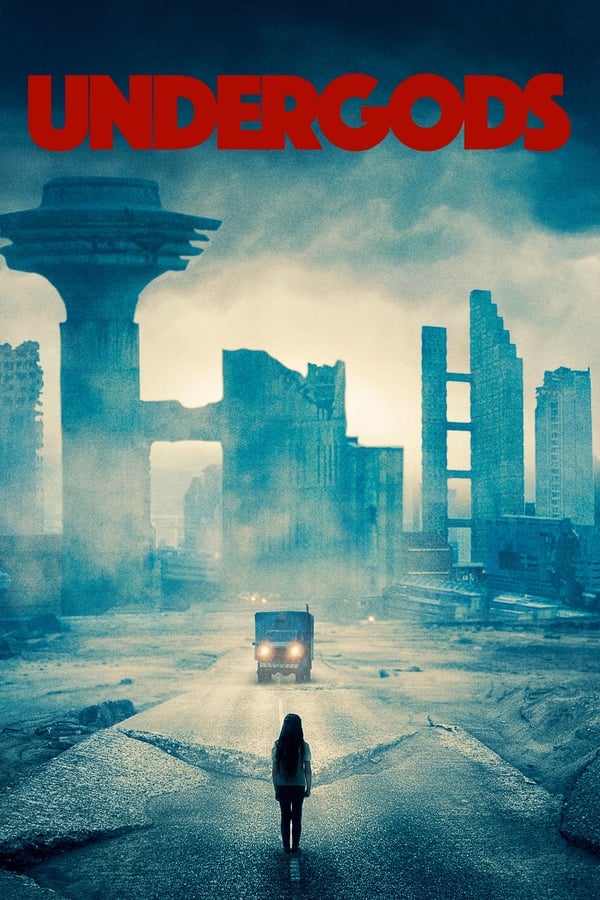
Undergods is a very interesting film, and one where style maybe exceeds the other aspects of the movie. A not-quite-anthology film, as the various stories inside it are, for the most part, peripherally related. The film starts with a couple goofy characters driving a dilapidated truck through a bleak, dystopian city landscape, picking up the occasional dead body off the road, while other dead-eyed pedestrians mope around. As we see later, these two are much alike the “bring out your dead” duo from Monty Python fame, as they aren’t too concerned with how dead their passengers are. We get a bit of the story of these two, as well as other tales told by them: a married couple living in a high-rise all by themselves, until a visiter wrestles himself into the wife’s bed; a double cross by an inventor to a greedy businessman; and a new couple who find that the wife’s first husband, missing for many years, has suddenly reappeared in the house, but yet won’t say a word, just staring off into space, while the house goes nuts around him. The storytelling is a bit uneven, but through it all is a sense of the modern world going to shit, almost as if the buildings themselves are crumbling as fast as the minds of the people that live in them. It is a dreamy, nightmarish movie with an almost Twilight Zone kind of feel, and if you are into dystopian films (like me), you’ll probably find enough to enjoy. ★★★½
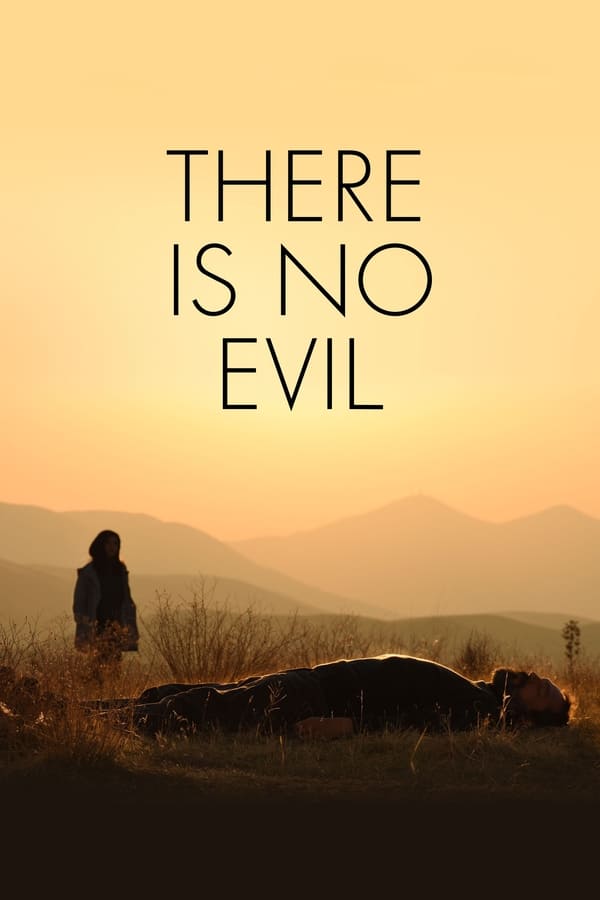
There Is No Evil is also an anthology film, this one out of Iran. There are four different tales dealing with the current death penalty there. In the first, we are introduced to a good man, who is a loving husband and wife. He works hard at a long unknown job, picks up the family, and then goes to his aging mom’s apartment to care for her. Arriving home late at night, he squeezes in a few hours of sleep before getting up early to do it all again. This time, we see his job, and it is built for anything but a nice guy. The second story follows a young man completing his 2 year compulsory military service. He’s been assigned to execution detail, but is looking for a way out, as he can’t bring himself to kill a man. The third tale is also about a man finishing his required military duty. He’s on a 3 day leave, and plans to use it to propose to his long-time girlfriend. He finds her family in mourning, for a family friend who’s been killed by the police as a political dissenter. Unfortunately for our young man, he has ties with the recently deceased. The final episode is about a college girl returning to Iran from either Europe or USA, where her father has been raising her and she’s getting ready to follow his steps to med school. She’s in Iran to visit her uncle, but he has a secret that he’s kept from her all these years, and it may change her life. Though not a thriller, there’s a lot of suspense in all four stories, with tight moods set by the music and pace of the camera, and the for the most part, the film is solid (though the last segment was definitely the weakest). Director Mohammad Rasoulof has faced plenty of criticism in his home country. He’s been arrested several times for his movies, for their stances against the government. This particular movie was filmed in secret and has been banned in Iran, landing Rasoulof in yet more trouble. ★★★
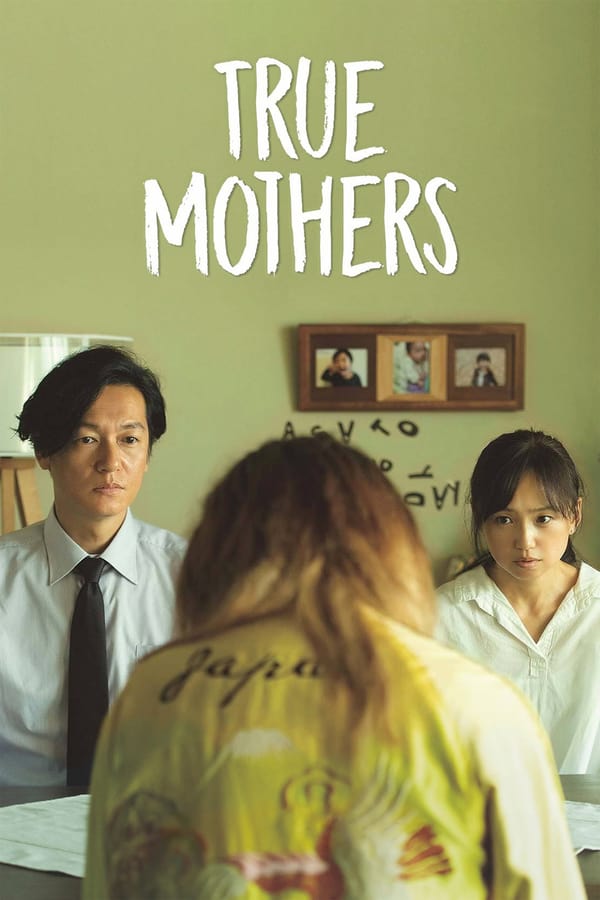
True Mothers, out of Japan, is about a couple and their adoption of a young boy. The movie begins with the boy, Asato, in Kindergarten, getting in trouble for supposedly pushing another kid on the playground. We then get a flashback to when his parents, Satoko and Kiyokazu, were struggling to have a child. They turn to adoption, and a program called Baby Baton, which unites young women who cannot care for a child, with established couples who have the means to do so. Back to the present, the married couple are visited by a young woman claiming to be Asato’s birth mother, Hikari, and while it has been 5 years, the couple doesn’t recognize her and refuses to believe her. The next flashback tells us Hikari’s story. Pregnant at 14, she wanted to keep her baby, but her parents refused and sent her to Baby Baton, a secluded resort-like house with other teens like herself, where girls can have babies in secret before resuming their lives. After a quick scene in the present again, we continue Hikari’s life after the adoption, where she finally runs away from home and returns to Baby Baton in hopes of helping girls like herself. Later, she gets a job, trying to put together a life without the baby she misses. The movie is thoughtful and heartfelt, but a bit too slow, even for my patient senses, and isn’t as deep as I think the filmmakers hoped it’d be. ★★
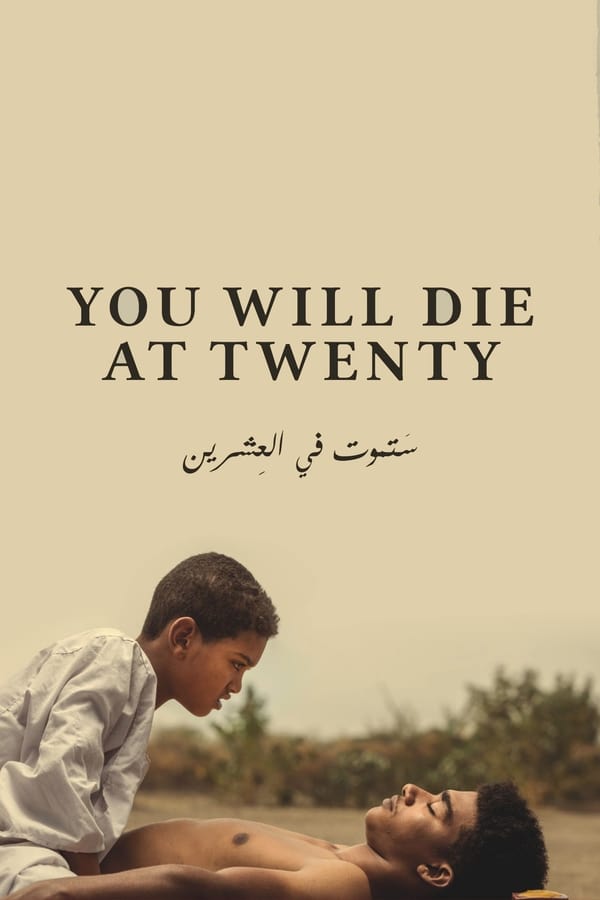
You Will Die at Twenty, out of the country of Sudan, presents a very interesting premise. Muzamil has just been born, and his parents take him to the local sheik for a blessing. Unfortunately at the ceremony, the sheik interprets the death of a performer as an omen that Muzamil will die at the age of 20. Unable to cope with the fear of death in the house, Muzamil’s father, Alnour, abandons the family and goes to work in other lands, promising to send money back home (which he does). Muzamil is thus raised by his mother, Sakina, alone. Fear of losing her son leads her to be extremely protective of him; Muzamil does not get to go and play with others his age, and grows up in secluded house. Finally as a teen, he is at last sent to school after the teacher/village religious leader implores Sakina to let him learn the Quran (“school” isn’t what we traditionally think of, it is mostly memorizing the Quran and doesn’t teach math or geography or other “worldly” things). In this sheltered life, Muzamil finally gets glimpses of the world outside his village when he meets Sulaiman. Sulaiman comes from the area, but spent his life traveling the world around. He drinks, sleeps with a woman not his wife, and leads what the others in the village consider an evil, immoral life. But he is the only person to encourage Muzamil to live his life, rather than only focus on his death, as the others in his life do. ★★★½
- TV series currently watching: Loki (season 1)
- Book currently reading: One Rainy Day in May by Mark Z Danielewski

 Jons Movie Takes