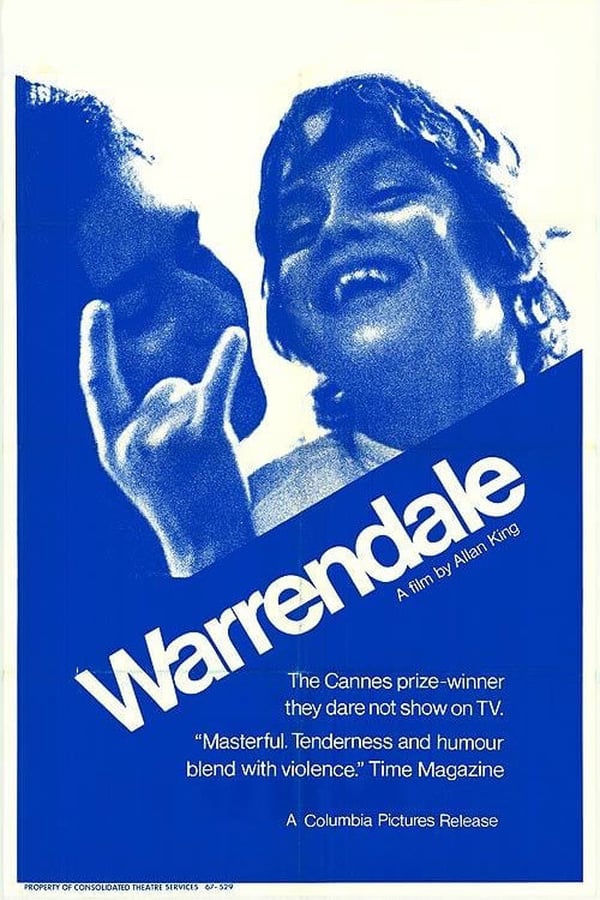
I’m not usually big on documentaries, though I have seen a couple I liked, but I’ve heard good things about some of the films from Canadian Allan King, who took a cinéma vérité style with his work, and wanted to check some out. Starting with Warrendale. It documented a facility in Toronto that housed emotionally disturbed children, from aged 10 or so up through high school age. These were kids from tough backgrounds, or were emotionally stunted, who would have a history of violently lashing out when under stress. Rather than treat with drugs, the counselors would wrap their arms and legs around the violent child (or teen, as was often the case in the film) and hold them in a vice, straight-jacket like grip, talking soothingly and trying to get the kid to vocalize why they were upset, all in an attempt to get the kids to get in tune with their emotions. Some of their techniques were uncomfortable to watch (bottle feeding the teens like they were babies, a little too touchy feely with the adult men and the younger girls), but it’s hard to argue that they were at least trying something different to help kids who may otherwise be in a harsher institution. King’s technique is not to present any narration or voice-over at all, so he doesn’t criticize the techniques being used, he just lets the camera do the talking, and the emotional peaks and valleys of some of the teenage girls in particular leave a lasting impression. ★★★½
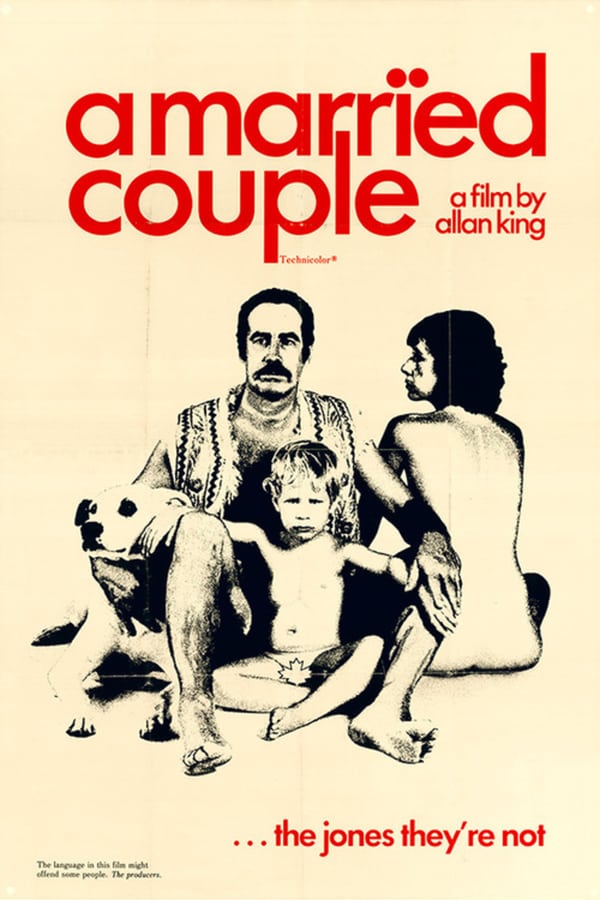
King took his “silent observer” approach to a marriage on the rocks in A Married Couple. This doc follows a couple approaching middle age, with a young son, who fight non-stop, and it isn’t just a lover’s quarrel; they get downright mean in their spats. While they do occasionally have some fun together — going to the beach, being playful in bed — they bicker constantly otherwise. All of us have been around an arguing couple, and the feeling of awkwardness that comes with it. This is 90 minutes of that. As most petty arguments go, they argue about nothing. Neither can admit when they are wrong, so arguments will start on one subject, and go off on a tangent and become about something else entirely, until they are just flinging insults and names at each other. It’s very sad to watch, I kept hoping for the woman to get her shit and just leave him, but that’s not what this film is about. Not sure what it is about, as it wasn’t very entertaining. ★½
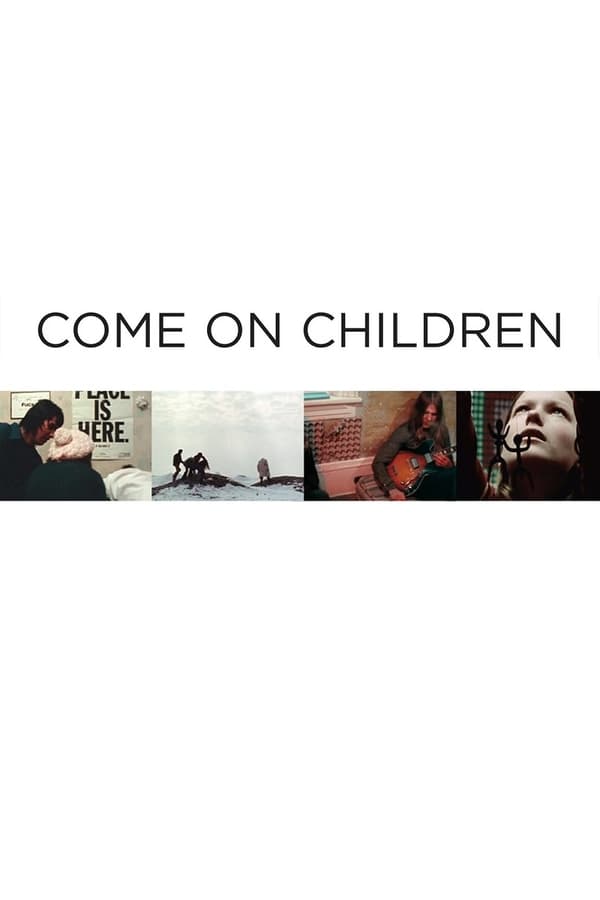
King gets back on track with 1973’s Come On Children. It’s sort of like Real World 20 years before MTV did it. King took 10 teens aged 13-19 (5 boys, 5 girls) and put them in a farmhouse for 10 weeks. The film starts with them driving up in a van, and they start partying it up immediately, doing drugs freely. One of the first conversations is about women’s rights and abortion, and I thought the film would be full of topical conversations of the day, but it never developed into that. By the end, it became a more personal film for these kids, and their individual feelings of isolationism, the counterculture movement, and not having a voice at home with their parents. The highlight of the film is a young Alex Lifeson, who is billed with his birth name of Aleksandar Živojinović. Just 17 during the filming of the movie, he was already involved in the band Rush, but had yet to release their first record. Obviously he would go on to a rock-and-roll hall of fame career, but here, he’s just a kid with his whole life in front of him. Really cool time capsule of the life of youths in the early 70s. ★★★
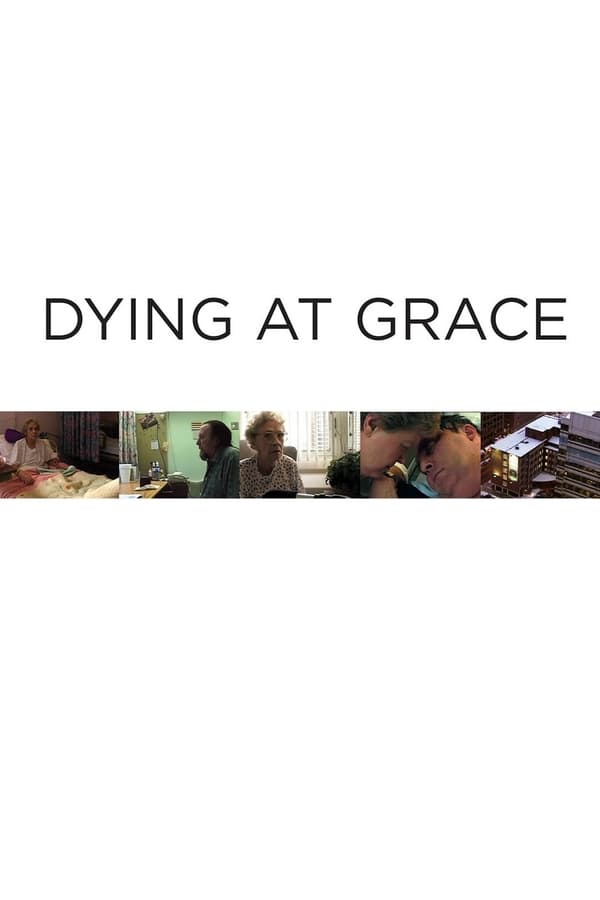
The previous films were from the 60s and early 70s, but by 2003, Allan King was getting up there in years himself, and his last couple films focused on an older population, and themes probably sitting on his own mind. Dying at Grace follows 5 patients in the palliative ward of the Salvation Army Toronto Grace Health Centre. I found it fascinating, watching some highs, but mostly lows, of 5 individuals nearing the end of their lives, and ultimately passing away. The way each goes is as individual as the person. Some don’t want to go, and fight it. Some embrace death as an end to the constant pain. The film shows all aspects of the end of life: medicines, treatments, the emotions of the patients and their loves ones, etc. It also paints a beautiful picture of the health care workers as they tirelessly try to give comfort: physical, emotional, and spiritual. The movie doesn’t make death scary, but just as the last step in life, and hopefully, as a door to what’s next. A sad film, but a very gripping one. ★★★★
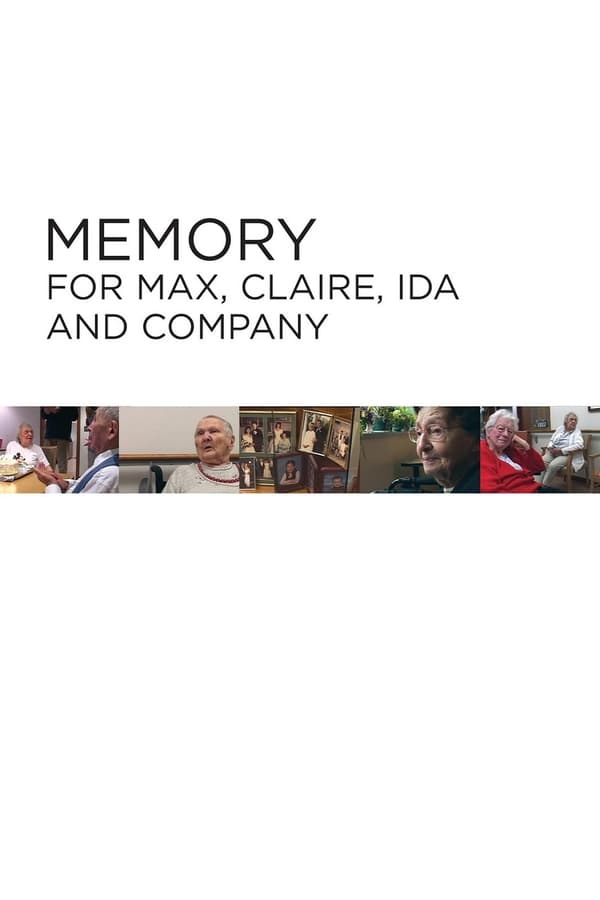
Memory for Max, Claire, Ida and Company is in another facility, and this time looking at older people suffering from various kinds and levels of dementia. Though it has a similar feel to the previous film, for whatever reason, I didn’t connect with this one in the same way. I still felt for the people going through this terrible disease, as they were confused, and sometimes combative because they were confused, but it didn’t hit me with the emotional weight that Dying did. I’m sure it’s a great movie, and especially if you’ve had a loved one go through this, it will probably leave you in tears, just not for me. ★½
- TV series currently watching: The Falcon and the Winter Soldier
- Book currently reading: Anna Karenina by Leo Tolstoy

 Jons Movie Takes