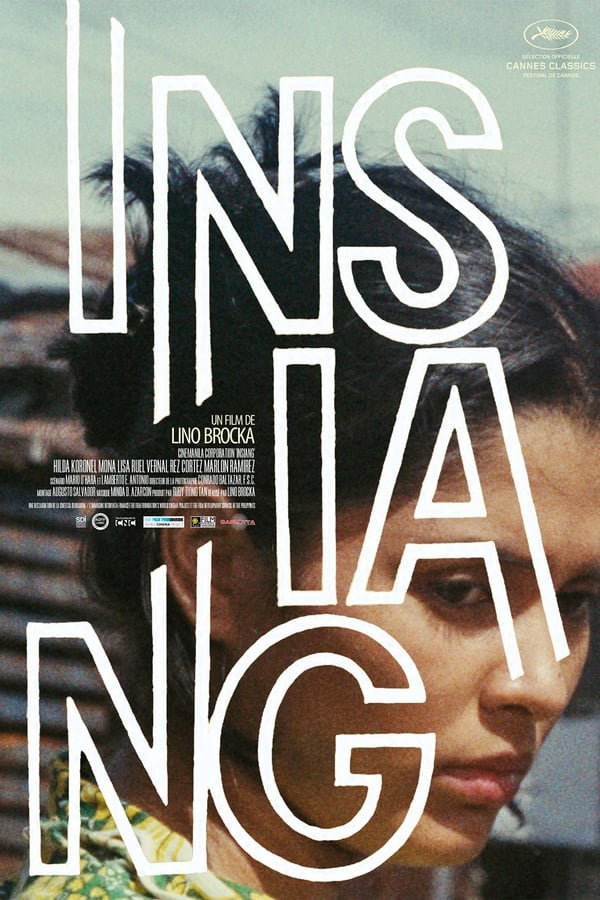
Awhile back, I reviewed some of the films from Martin Scorsese’s World Cinema Project boxset from Criterion, and today I’m digging into the second release, starting with Insiang. This film was released in 1976 in the Philippines, from influential Filipino director Lino Brocka. Insiang is the title character, a young and very beautiful woman living with her single mother, Tonya, in a poor village. Insiang is the desire of all the men in the community, but her regular boyfriend is Bebot. While Insiang wants a serious relationship with a man who will take her away from this poor setting, Bebot only wants what a lot of men at that age want. Unfortunately, Insiang has also caught the eye of the town ruffian and bully, Dado, and Dado will do anything to get her. Dado begins a relationship with Tonya, so he can move into the house and work his ways onto Insiang. He rapes her one night, and when she goes to Bebot for help, he only takes what he’s been wanting this whole time. When told of the deed, Tonya sides with Dado, leaving Insiang with no one to turn to. But she will get her revenge. I loved this movie. It’s a pretty straight forward melodrama, but done very well with a fantastic performance by Hilda Koronel in the lead role. The community if vibrant with colorful characters running the gamut from resigned to their lives there, youngsters with hopes of moving up and on, and everything in between. ★★★★★

Ever have those moments when you start a movie, and the look and feel of it just aren’t very good for your tastes, and you think, “Here we go….”, but then you stick it out and end up with a great experience? That happened for me on Revenge, a 1989 film out of the Soviet Union. It follows a handful of Korean individuals over two generations. Yan is a young teacher who lashes out at a student one day, killing her. The dead girl’s father is Tsai, who swears revenge on the teacher, and sets out on a 10 year journey to find him on mainland China. Unable to do so, Tsai returns home an older man. His wife offers her husband a young concubine, in order for Tsai to produce a son who can carry on the promise of revenge. Thus is born Sungu, whose life will take him up into Russia and back. From the opening moments, I wasn’t feeling the vibe of this film. It tries to pack this multi-generational, wide-ranging film into a crisp 99 minutes, with help through intertitles which get the viewer caught up on events between scenes. There’s also some weird music that you’d find out of a 70s or 80s hack and slash film, when this picture is anything but. However, those things grew on me by the end, and I ended up really enjoying the film. A deeply philosophical movie about life and destiny, it will leave you thinking long after Sungu finishes his mission. ★★★★

I did not get Limite at all. A silent film from 1931 out of Brazil, it is extremely light on plot and heavy on visual splendor. Unfortunately as a silent film and in black and white, it is decades ahead of its time and these aspects didn’t do much for me. It follows a trio of people afloat on a boat in the middle of a sea. The two women and a man mostly just float along without a lot of interaction, and their individual backstories are told in flashbacks. But given that there are almost no intertitles in this silent picture, to tell the viewer what is going or what the characters are saying to each other, it all comes off as very vague. More visual art than a true fiction story. It went way over my head, or maybe I just didn’t have the patience for a film like this today. A better-than-zero rating for the creativity in filmmaking, as some of the techniques seem way ahead of its time in 1931, but not very interesting unfortunately, and its 2 hour runtime felt very long indeed. ★½
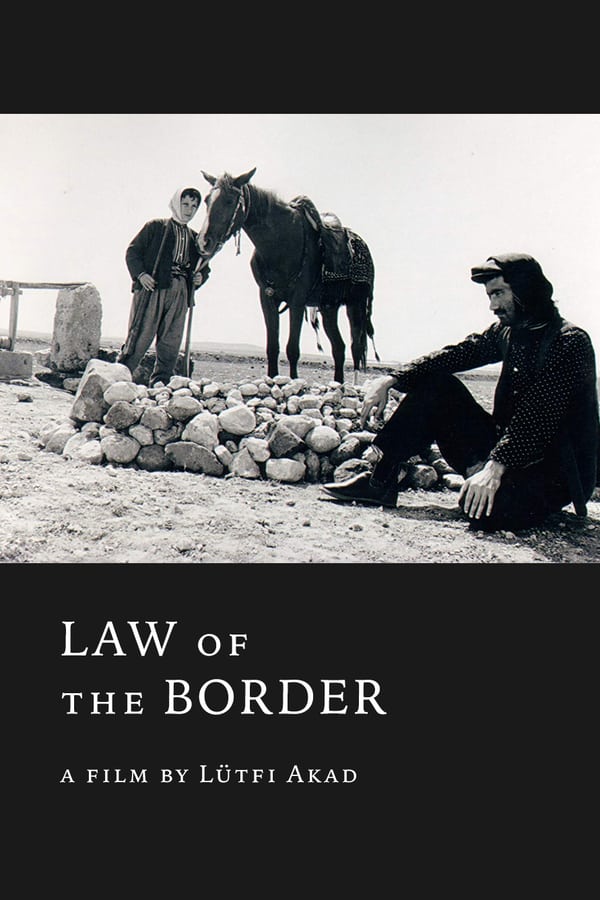
I’m not sure what sets Law of the Border apart from all the other 60s westerns, other than it takes place in Turkey. I like a good western as much as the next guy, and enjoyed this one, but not sure it really is all that different from similar fair. Hidir is an outlaw and smuggler, getting goods across the border illegally when called upon. A new sheriff in town is trying to crack down on the smuggling and warns Hidir to cut it out. Meanwhile, the powers at be want to build a new school in one of the rural villages, and Hidir does want to see his son get an education so he has better opportunities than he himself did. Hidir’s not a bad guy, he just chose the only path open to him. When the shooting starts in the final 20 minutes, we get more over-the-top bad acting deaths than you can count, but other than that, it is a decent enough film. ★★½
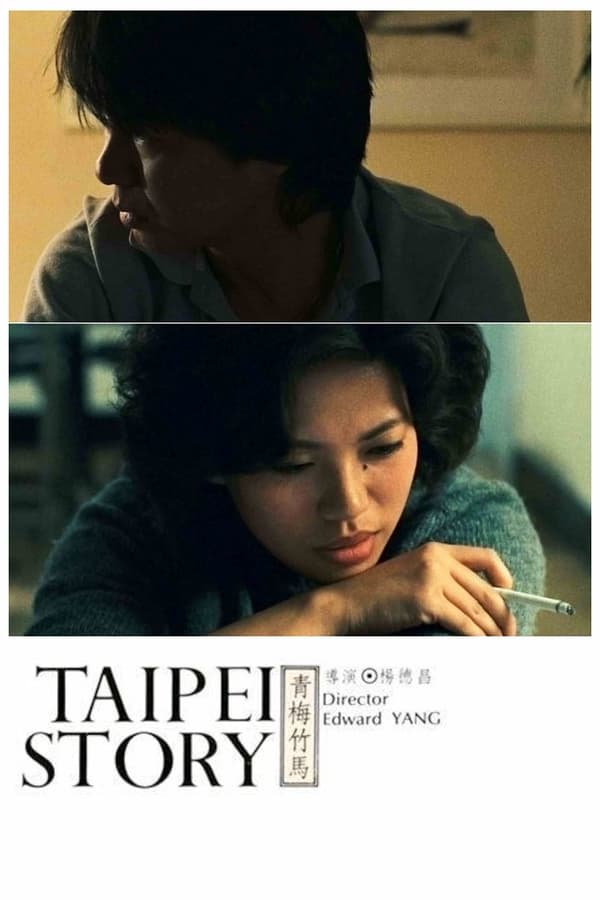
Taipei Story, from celebrated Taiwanese director Edward Yang, follows a couple struggling with early adulthood in a burgeoning and modernizing Taiwan. Lung is a former baseball player, famous in his small town as a young star, but never found lasting success professionally. He’s still living in the past, and is aimless now. His high school sweetheart and still current girlfriend, Chen, is ambitious, but her previous employer has folded and she’s now unemployed. Lung’s brother-in-law lives in the USA and runs a successful import company that he built himself, and he’s been wanting Lung to come in as a partner, but the couple is struggling to raise enough money to make the move and invest. Further hurting their plans, Lung cannot say no to friends in need, giving out loans to former baseball buddies and Chen’s no-good father. These decisions, and Chen’s longing to get out of Taiwan for the dream of success in America, has put their relationship on the rocks. If you are expecting a happy ending for all, you may be disappointed. It’s an OK enough film, but with Yang’s reputation, I think I was expecting more. At some point I’ll be checking out his more renowned films that came later, but this film, his second, was just a bit above average. My impressions were of a pretty jaded look at the direction of the country, and a middle class that was getting left behind. ★★★
- TV series currently watching: Beartown (season 1)
- Book currently reading: Anna Karenina by Leo Tolstoy

 Jons Movie Takes
One thought on “Quick takes on Insiang and other foreign films”