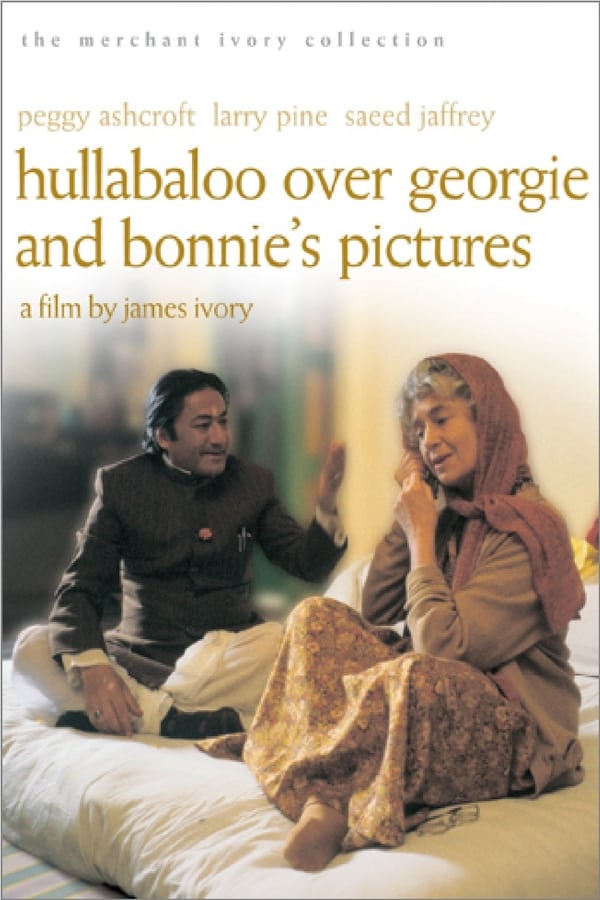
I’m continuing to work through some of James Ivory’s films, and next up is Hullabaloo Over Georgie and Bonnie’s Pictures, a lesser-known work he and producer Ismail Merchant made for television. In the film, a group of art lovers and collectors descend on an Indian palace in hopes to procure a set of famous miniature paintings. These works of art have been stored away and haven’t been seen in a generation or more, but their reputation has brought a few worldly travelers. Lady Gee curates at a London museum and doesn’t think the environment in India is good for the art. Clark is an American millionaire and he wants the paintings for his own private collection. Lady Gee is a hoot, sniping condescending quips without realizing it, and sharing with the world that the current Maharaja and his sister were nicknamed Georgie and Bonnie by their Scottish governess when they were kids, which was the last time Lady Gee had visited. Bonnie seems to want to sell the paintings and use the cash to escape her corner of the world; the modern woman, who drinks and smokes, wants to free herself. The Maharaja himself doesn’t seem to care what happens to the paintings he inherited. He only has eyes for Lady Gee’s woman traveling companion, but does he have something else going on behind everyone’s backs? With a lot of humor and enough intrigue to keep you engaged, I really enjoyed this one. It’s sad more people have seen it; while I don’t think it is earth shattering or anything, it is a quaint story and beautifully shown with the art and music of India throughout. ★★★½
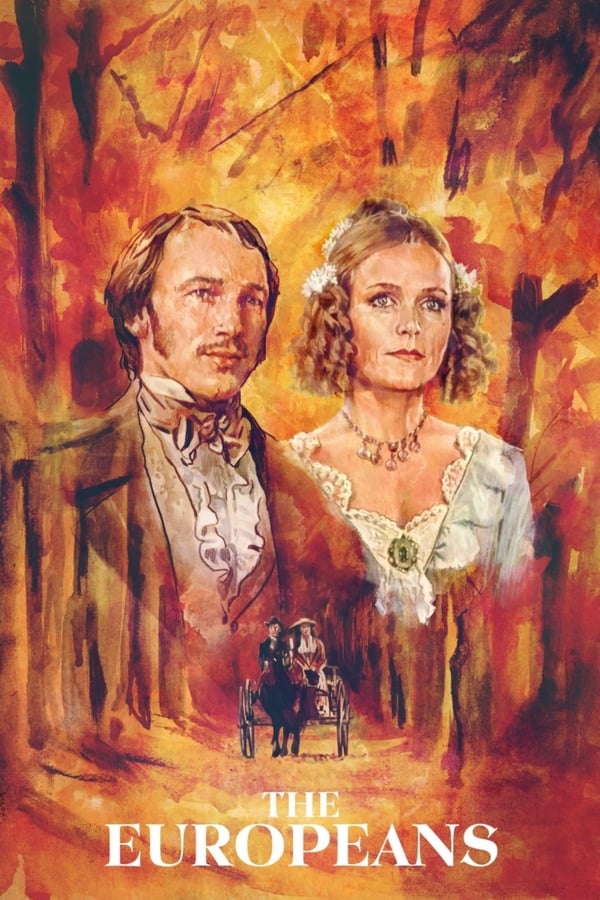
The Europeans is an adaptation of a Henry James novel. Though I’ve never read this book, I have read 3 other James novels, and knew what to expect. I’m glad I did, because otherwise I might have had a very different opinion of this movie. The film takes place outside Boston, where a well-to-do family, the Wentworths, are visited by some hitherto unknown cousins from Europe, brother and sister Felix and Eugenia. Eugenia is fleeing a failing marriage, and the two seem to have come simply because they have nowhere else to go; they are broke and living off their name alone. The Wentworths however are doing very well, though their austere lifestyle doesn’t give that impression. The oldest daughter in the family, Gertrude, is wanting to get out and see the world, and she is instantly drawn to Felix and his European ideas, though she has been courted by local minister Mr Brand to this point. Eugenia wants a good match too, and bats her eyes at two local suitors: Gertrude’s younger brother Clifford, and Wentworth cousin (from the other side of the family) Robert Acton. The intrigue in the movie is all from the relationships and interactions between these characters and more. It’s a delightful film. If I had not read any James before, I may have been bored, but being prepared for the deliberateness and subtle style, I was enthralled from the beginning. And the period costumes and sets are spot on and beautiful all on their own. It’s a fun film, must-see stuff for people who love old-school period dramas. ★★★★
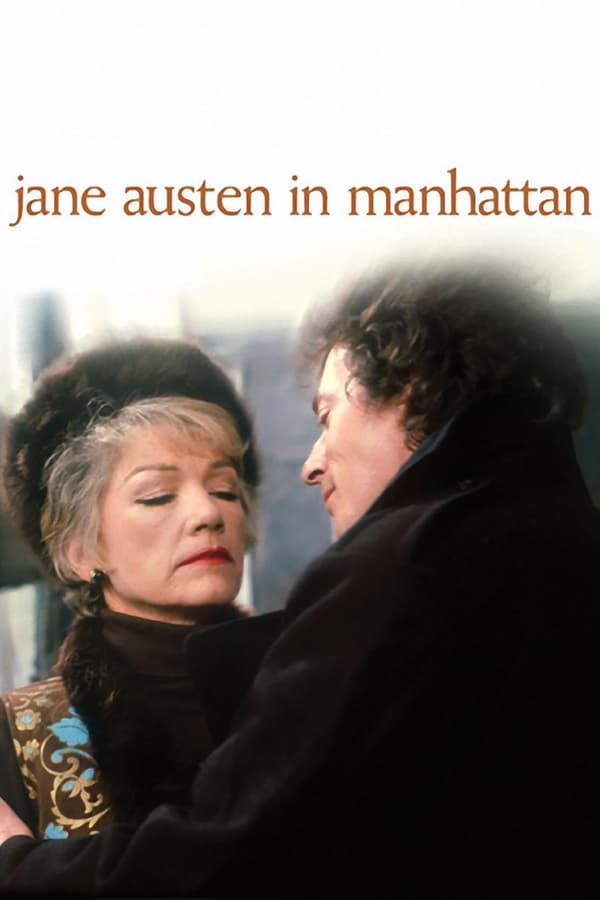
Talk about turning on a dime. Jane Austen in Manhattan is just awful, with absolutely no redeeming qualities that I could find. The film centers around the auction of a recently found “new” play written by a young Jane Austen (an event based on a true story). The play is purchased by an egotistical theater director. He wants to stage the play in modern avant-garde style, with his cult-like followers (who are abysmal actors). A rival group wants to put on a production in keeping with Austen’s original intent. But the actual plot of these 2 groups going at it against each other is only the backdrop; there’s a ton of side plots and other interactions going on between the multitude of characters, most of which lead nowhere and do nothing but fill up time. Everyone from the directors on down come off as pretentious douchebags. It’s a bizarre, silly movie. You can maybe try 30 minutes of it if you like, but if you expect it to go anywhere after that, don’t hold your breath. ★
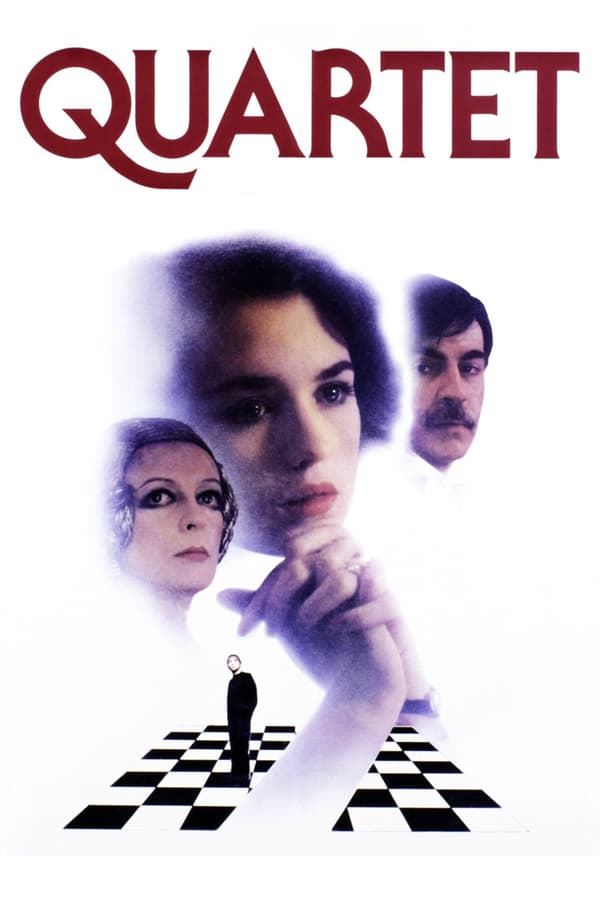
Quartet is an English film about a couple living in Paris in 1927. Stephan is a shady art dealer, and his wife Marya adores him. Among the English aristocrats living in Paris, Marya is an enigma; people whisper about her background because she has none. Marya grew up poor but has a refined air that keeps her mysterious. Near the beginning of the film, Stephan is arrested for trading in stolen goods and sent to prison for a year. With no money to support herself, Marya is taken in with the Heidler’s. HJ Heidler and his wife Lois have a spare bedroom in their apartment with an open agreement between them: HJ can let his lady friends stay there, which Lois allows because she doesn’t want HJ to leave her. HJ seduces Marya and she begins an affair with him, at first reluctantly because she has nowhere else to go, but later, whether because of desperation or loneliness, she really starts to crave him. Unfortunately around this time, HJ has started to tire of her. He puts her up in a hotel, where Marya grows suicidal. Lois has also grown tired of the arrangement, and begins sniping public digs at Marya when they are out with friends. What will happen when the unknowing Stephan gets out of prison? There are some nice moments, but on the whole, the film is very average and, unfortunately, forgettable. There are especially fine performances from the two leading ladies, Isabelle Adjani and Maggie Smith, though the film does rely a little too heavily on Adjani’s big beautiful blue doe eyes to draw the viewer in. ★★½
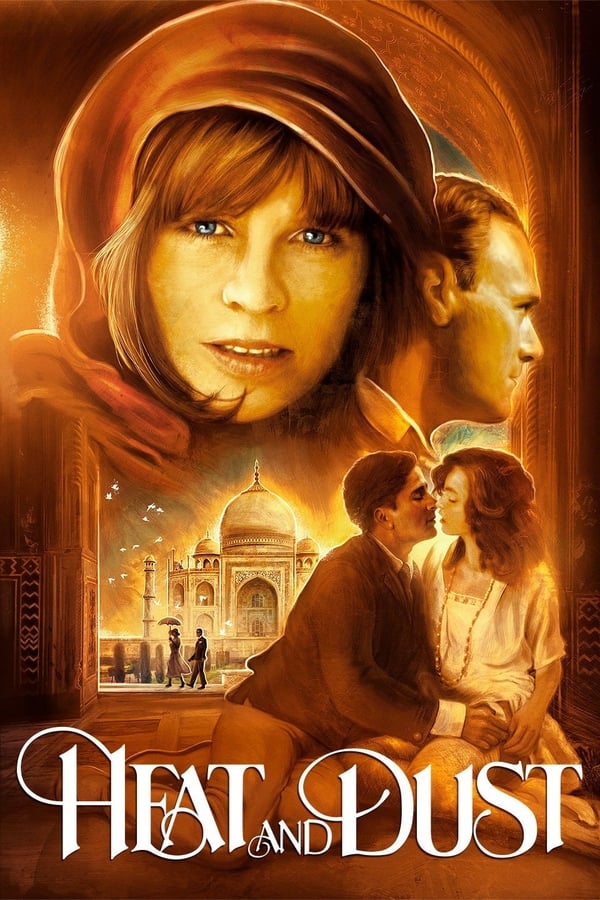
Heat and Dust is a somewhat flawed film, but I still found it very charming and exotic. It returns to Merchant Ivory’s roots in India, about a woman searching for answers there. In the film, two storylines are told concurrently. In the 1920s, Olivia has fled a hospital in India, and is never seen again; the viewer is made to assume she is dead. In flashbacks, we see her prior arrival to the country, following her dignitary husband, and the time leading up to her disappearance. In present day, Olivia’s sister’s granddaughter, Anne, has come to India to research what happened to her great-aunt. In the past, Olivia is fascinated with the country and its people, and in the present, Anne is as well, and the viewer sees a shared trajectory of their lives, all those years apart. Whereas her contemporaries see the locals as uncivilized, Olivia becomes infatuated with a local prince, called the Nawab. Rumors persist that he is funding Indian bandits who’ve been raiding English families, but her in naivety, Olivia brushes aside the rumors and begins an affair with the Nawab. In present day, Anne too begins a love tryst with an Indian man. The answers of what became of Olivia do come in the final moments of the film, to great affect. I wanted to give this movie 4+ stars, and there are plenty of moments that thrilled me, but some plot elements didn’t pan out, or went nowhere at all, so I felt they could have trimmed some fat and made this a much more remarkable picture. Still I really enjoyed it. ★★★½
- TV series currently watching: Servant (season 1)
- Book currently reading: The Sword of Shannara by Terry Brooks

 Jons Movie Takes
2 thoughts on “Quick takes on The Europeans and other Ivory films”