
The Girl with a Bracelet (La fille au bracelet) is not about a girl with a new piece of jewelry, but about her new ankle monitor. Arrested at 16, with her trial now commencing at 18, Lise is accused of murdering her best friend Flora. Flora was found dead of multiple stab wounds, after Lise had spent the night and (supposedly) left the next morning before Flora awoke. The problem is, there’s a preponderance of evidence against Lise, and nothing to support her cries of innocence. To make matters worse for her in the public eye, she seems cold and dispassionate during the proceedings. Even her parents seem to doubt her story. As the trial plays out, it becomes not just a trial of her guilt or innocence of murder, but also her sexually promiscuous lifestyle, with both Flora and a range of boys, something her parents were very much not aware of. This gives them even more doubt, and the viewer is left wondering with them and everyone else if Lise is as innocent as she says. The film is OK I guess. It provides more questions than answers, and since Lise is so cold, having shut herself off from what is going on, the acting comes off as dry and wooden. The ending left me unsatisfied, and I’m more patient than most. ★★
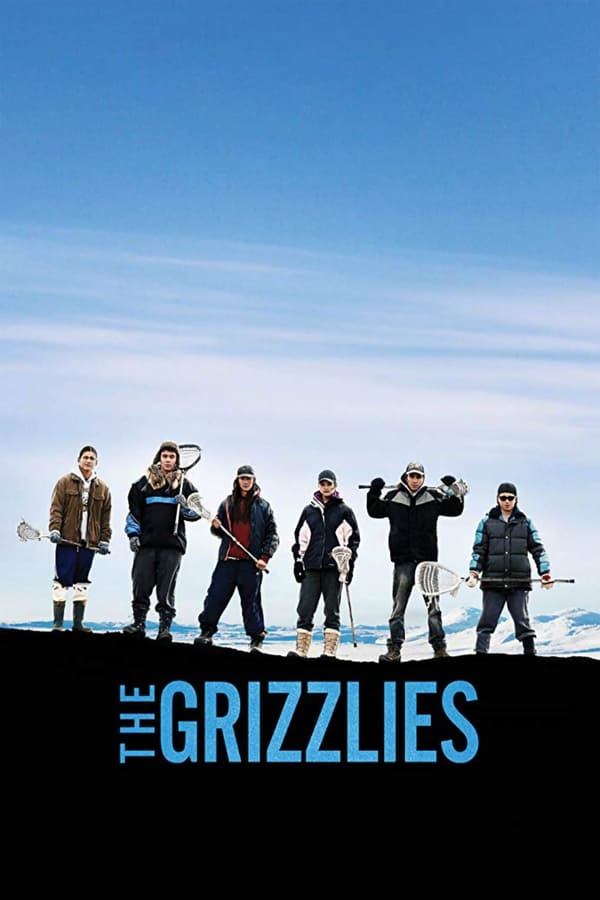
The Grizzlies is actually a decent sports film, and exactly what I was wanting when I watched the awful Safety a bit ago. This is a solid inspirational sports film, about a young teacher trying to make a difference. Russ, a history teacher, has taken a job in the far north of Canada in the remote village of Kugluktuk. He immediately is hit by the complete lack of drive by the high school students; life is rough, not only because of the harsh environment, but because the teenagers are expected to contribute to their families survivals through working and hunting. The stress has created highest suicide rate in the nation. Russ tries to motivate them through tough love, but he receives push back from the kids as well as their parents, who see him as just another white man from the south who doesn’t understand their ways. When Russ sees the teens staying up late and drinking together, because there’s nothing else to do, he decides to start a lacrosse team, just to keep them occupied. His experiment is a success, but he isn’t able to save everyone. Though movies like this have been done a hundred times, this one is based on a true story, and it is a fine, uplifting tale, with strong performances by the cast led by Russ (Ben Schnetzer, from The Book Thief and Pride). ★★★

Sylvie’s Love is a very nice love story, with an old-fashioned feel, and not just because it takes place in the 1950s and early 60s. Robert is a young, promising jazz saxophonist, walking down the street in New York one day when he spots Sylvie working in her dad’s record store. He is immediately smitten, and walks in to get a job there. They have instant chemistry, but Sylvie is unfortunately engaged. From a high society black American family, Sylvie’s parents know what it took to get to their station and Sylvie is expected to marry a promising man to keep them there. A poor musician doesn’t fit into that equation. The movie plays out over the next half decade or so, with Robert and Sylvie floating in and out of each other’s lives. This film is about as family friendly as a modern drama can be; except for one racy love scene, it’s an endearing love story. Outside of that scene and the color of the main actors’ skin, this film could have come out 70 years ago. I’m not a big fan of the ending, as it didn’t answer the main question Sylvie was struggling with throughout the picture, but it is still a nice film. The highlight is Tessa Thompson as Sylvie, who has proven time and again her abilities as an actress. ★★★½
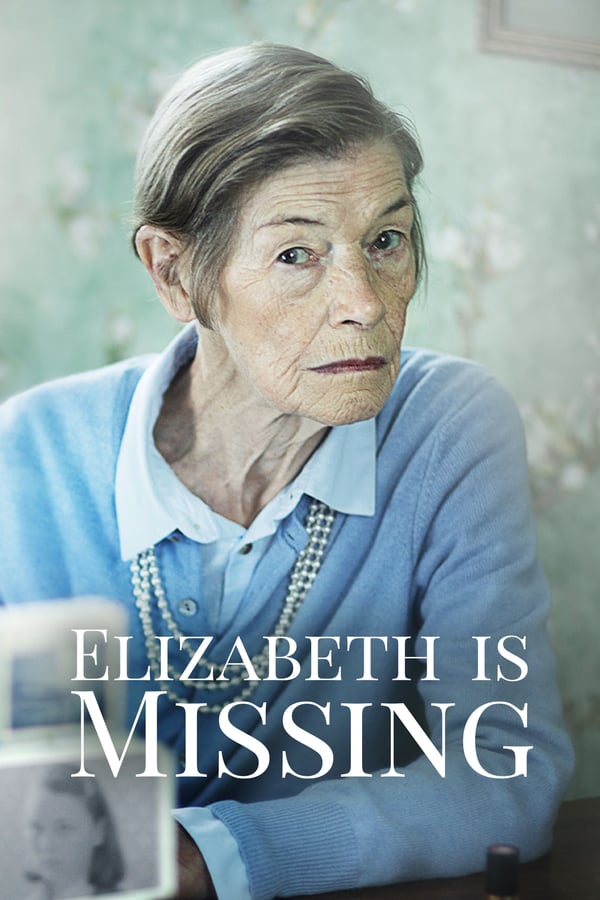
Elizabeth is Missing is a well done made-for-tv movie about an elderly woman fighting dementia. Maud is old and still living on her own, with help from her daughter and a maid a couple times a week, but her memory is slipping. Maud gets help with notes taped around the house like “lock the door when you leave” and “Tuesday – garden with Elizabeth”. It is this last note that starts the film, as Maud heads over to her best friend’s house to help with her garden. While digging, Maud finds half of an old beauty compact, which reminds of her of a time 70 years prior, when a teenage Maud’s older sister Sukey went missing. Maud and Elizabeth set a date to meet again, but when it comes, Elizabeth doesn’t show up. This leads to Maud trying to find out what happened to her friend, while also reliving moments surrounding Sukey’s sudden disappearance all those years ago. Unfortunately, Maud’s disease begins progressing quickly, leaving her (and the viewer) more and more disoriented as the film goes along. It’s a nice mystery in both time frames, and Glenda Jackson’s performance as a frustrated Maud is top-notch, which is expected from a woman with Oscars, Emmy’s, Golden Globes, and Tony’s under her belt. The ending is a bit over-the-top as is often the case for TV dramas, but the film as a whole is very touching and emotional. ★★★½

Buoyancy is an eye opening film about the very real problem of modern day slavery in the waters off Thailand. Chakra is a 14-year-old who is tired of toiling for his parents in a poor farming village in Cambodia. Lured by the promise of wealth by working in a factory in nearby Bangkok, Thailand, Chakra abruptly leaves his family and joins a human smuggler who gets people across the border for a $500 fee. Without money, Chakra is told he’ll have to work to pay off his fee, but the world awaiting him is anything but what he envisioned. Instead of a factory, Chakra finds himself on a fishing boat, under the direction of a cruel master who has no qualms about killing “workers” who aren’t pulling their weight. Chakra’s only friend is an older man who came across the border with him, hoping for money to support his family back in Cambodia. As Chakra gets used to the hard life on the boat, he is forced to become a man and meet cruelty with cruelty. The unfortunate fact of the film is that men and boys are forced into labor in the South China Sea every day, and the film is stark in its portrayal. Fantastic cinematography and better-than-expected acting (though maybe a bit stereotypical) create a very tangible, striking picture. ★★★★

 Jons Movie Takes