I wanted to go back and watch a trio of earlier films from director Yorgos Lanthimos. Unlike everyone else in the world, I thought his last picture, The Favourite, was just OK, but I really liked The Lobster, and absolutely loved The Killing of a Sacred Deer. The following 3 films were made in Greece before he moved on to making English language movies. Unfortunately his first film, titled The Best Friend (2001), is not easily available, and apparently he himself has disowned it (it’s a buddy cop comedy, very much different from his later works), and I haven’t been able to find a copy with subtitles.
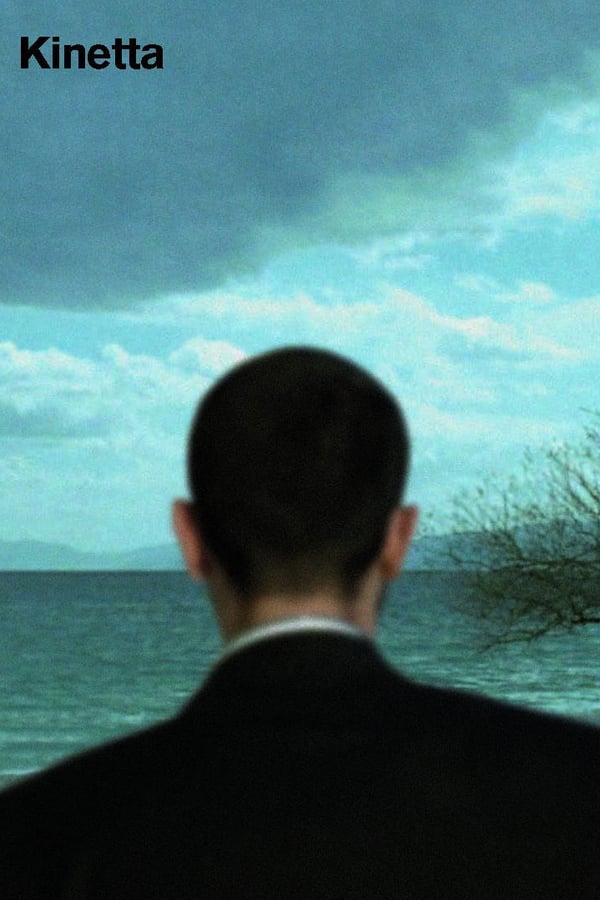
Kinetta (2005) is not an easy film to watch. It is dry, feels long, and doesn’t have much of a plot (if any). For many, it is going to be damn near unwatchable. But I really dug the ending, and with it, I was able to reflect quite a bit on what made the film so good. It is about 3 people with nothing in common, but who come together to reenact crime scenes. There’s a power-hungry narcissist cop, a hotel cleaning lady who seems to have a penchant for getting hurt, and a photographer who has a knack for catching morbid curiosities. The director’s camera silently follows our three leads with very sparse dialogue, and I mean that: there’s maybe a couple minutes worth of spoken word throughout the course of the 97 minute picture. There’s enough delightfully weird moments that I really wanted it all to go somewhere, but after an hour I thought there would be no satisfaction at the end. I was thankfully wrong, but I don’t think it would be enough to satisfy most viewers. It’s a niche film even for diehards. ★★★½
Lanthimos found worldwide acclaim with 2009’s Dogtooth. Again, a very hard film to watch, but for a much different reason. The movie is about a father and mother who have raised their three children to adulthood in complete seclusion, cut off from the outside world. The children, and man and 2 women in their late teens/early 20s, only know what their parents have told them; the tv only shows their homemade movies, and they don’t even know what a telephone is. The games they play with each other are either the innocent games of children, or the sometimes vicious fights that adults are capable of, and they don’t always know right from wrong until a punishment comes. The father is the true “man of the house” holding power over everyone, and he is the only one to leave their compound to go to work every day, scaring the kids with talk of wild animals outside the gate that will kill them if not for his protection. The only person that comes in is a security guard name Christina, who the father has been paying to sleep with their son to let off his sexual tension. The eldest daughter is already beginning to wonder what is outside their walls, and those thoughts are made more concrete when Christina smuggles in a few VHS tapes of Hollywood movies. If that doesn’t sound dark enough for you, sit back and enjoy the ride, because this movie is black as night. There are some truly disturbing and graphic scenes (don’t watch this one with your parents in the room unless you want to squirm!), but setting that aside, it is a remarkable and eye-opening picture about the ramifications of seclusion and dictatorship. Lanthimos does an amazing job of showing simple aspects of life that you may not think of, but which affect our characters in very real ways when they have no way of being aware of them. ★★★★½
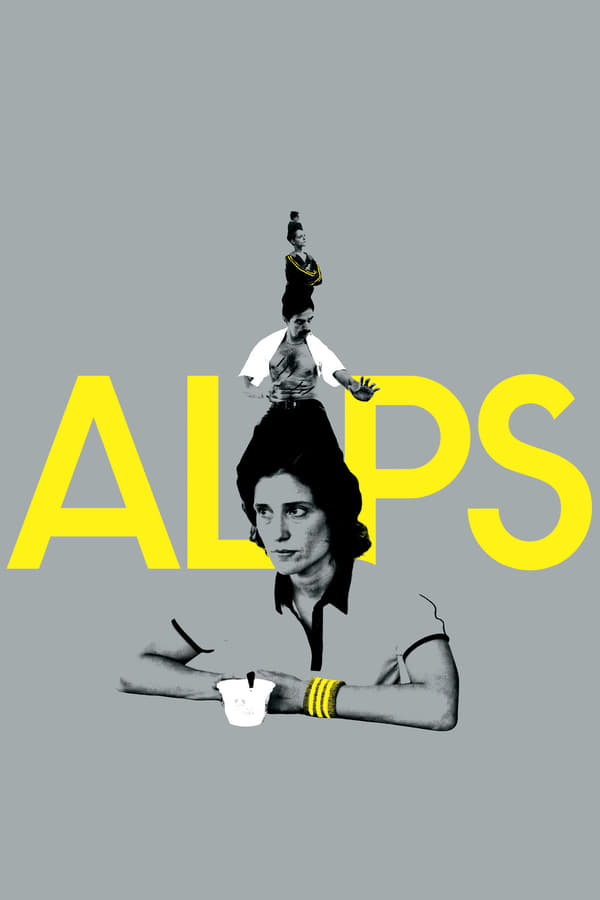
Alps, from 2011, and his last Greek film before The Lobster, is a true dud for me. It is about a four person group who call themselves The Alps, and the service they offer is to impersonate recently deceased people to widowers and surviving loved ones for a fee. They do this to “ease the mourning period.” The group consists of an ambulance driver, a nurse at the local hospital, an olympic-class gymnast, and her coach. When the film begins, a young tennis player has just been in a nasty car wreck, and they are waiting for her to die. The nurse is treating her at the hospital, and when she does die, the nurse instead tells the group that she has survived. While the group goes on to role-play for other clients, the nurse clandestinely offers her own services to the tennis player’s parents, and begins to impersonate her to them. Very strange film, and whereas Kinetta had an explosive ending which saved the rest of the film in my eyes, this one just doesn’t do anything for me. Very wooden actors and dialogue, which made sense in Dogtooth because of the setting, and makes sense in The Lobster as a dystopian future, but falls flat in Alps. ★½

For the final two films, I turned to a director with ties to Lanthimos. Athina Rachel Tsangari was a producer on the above three films, and Lanthimos was in return a producer (and actor) for her film Attenberg in 2010. I’ll say one thing about the movies above: even though I didn’t like Alps, all 3 had an interesting premise. Attenberg unfortunately is just downright boring. It follows a woman named Marina, obviously on the autistic spectrum, as she is dealing with the impending death of her ailing father. She has relationships with only 2 people in her life: her father and a single friend, Bella. She doesn’t particularly care for other human beings, and the thought of a sexual relationship with a man or woman disgusts her. The film is sort of a coming-of-age piece, with some humor provided by Marina’s quirky way of talking and interacting with others, and her father playing along as he knows exactly how to deal with her, but the film never really goes anywhere. Despite being a “growing up” kind of movie, I don’t know if Marina really made a whole lot of headway by the end. My recommendation is an easy pass. ★

Tsangari’s latest picture is 2015’s Chevalier. It is about a group of six friends who’ve chartered a yacht for fishing trip, and the film picks up when they are finishing up the trip and getting ready for the return trip home to Athens, which will take a couple days. They are playing a funny game poking fun at each other when one of them takes offense, and says they should play a new kind of game to see who is “the best person among them.” Each armed with a notebook for tallying scores, they spend the final few days judging each other on anything and everything, from how they sleep, to how they eat, their vocabulary, their relationships with each other and spouses, to (of course) the size of their penises. Of course the contest leads each of them to being very guarded and particular with how they speak or act, and everyone is immensely aware when someone misspeaks or is at fault in some way; for instance, when one of them burps at dinner, it is hilarious to see everyone else pull out their little notebooks to make a quick note, while the “burper” apologizes and tries to say he’s never done that before, must be the fault of the food. It’s a very funny movie, which only gets funnier as the progression of misdeeds and missteps adds up, especially when people start going out of their way to impress others or make an impression. ★★★½

 Jons Movie Takes
2 thoughts on “Quick takes on 5 Greek films”