
Up today is a set of films from the Czech New Wave of the 60’s, starting with Vera Chytilová’s Daisies. This film is a hoot, following two beautiful young woman who together realize the world has gone to shit, so they should be bad right along with it. They make an adventure out of daily life, ignoring social norms to be free and silly to mutual delight. They take old men out on dates to fancy restaurants just to gorge on expensive food, and then leave the man before giving him any of his hinted “desserts.” They make spectacles of themselves wherever they go, but just don’t care. If they weren’t so charming or pretty, they would come off as annoying, but I couldn’t help but laugh out loud at their antics. Strong feminism aspects (I had to chuckle when the girls started cutting up phallic shaped objects with long, sharp scissors), but ultimately, the film becomes a harsh commentary on the communist government (you can only be happy if you work hard and do what you’re told), which is why the movie was banned and the director was unable to make another movie until the mid-70’s. It is a delightful, zany picture. ★★★★½
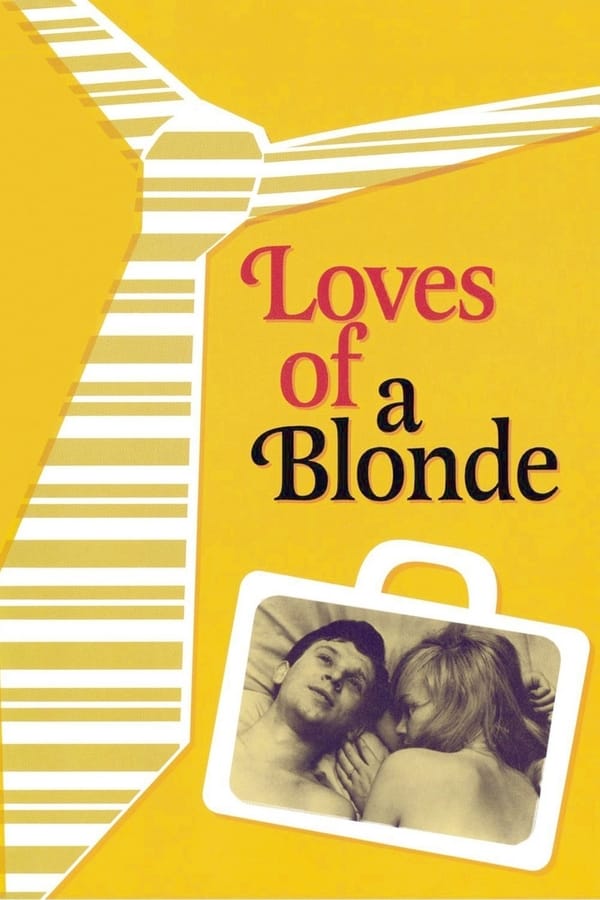
Miloš Forman’s Loves of a Blonde is a popular film from this movement, and earned Forman his first of Oscar nomination in 1965 (for Foreign Language film obviously; he would later win a couple for One Flew Over the Cuckoo’s Nest and Amadeus). Andula is the eponymous blonde, a pretty young woman working at a shoe factory in rural Czechoslovakia. The factory is full of women, who outnumber the men in the town by 16-1. As such, the powers that be organize to bring in some military men for training nearby. Everyone turns out to welcome the men, but when the train pulls up, it turns out it isn’t strapping young men, but instead it is more of the middle aged variety. At the party to welcome them all that night, Andula and her two (also very pretty) friends are sitting at a table nursing their drinks when a table of three older servicemen start eyeing them. Despite trying to show they aren’t interested, the men keep pursuing them as the night goes on. Andula doesn’t go home with any of them, instead, sleeping with the piano player at the party. When she follows him to Prague a week later, hoping to continue their tryst, she is greeted instead by the man’s parents; he had obviously neglected to mentioned he still lived at home. It’s a funny film, as Andula navigates these and her other admirers. Like Daisies (though maybe a bit less straightforward), it pokes criticism at the soviet ruling party and the conditions of people living under it. There are some slow moments (the conversation between the parents, while funny because it is awkward with Andula sitting right there, drags), but still very entertaining. ★★★½
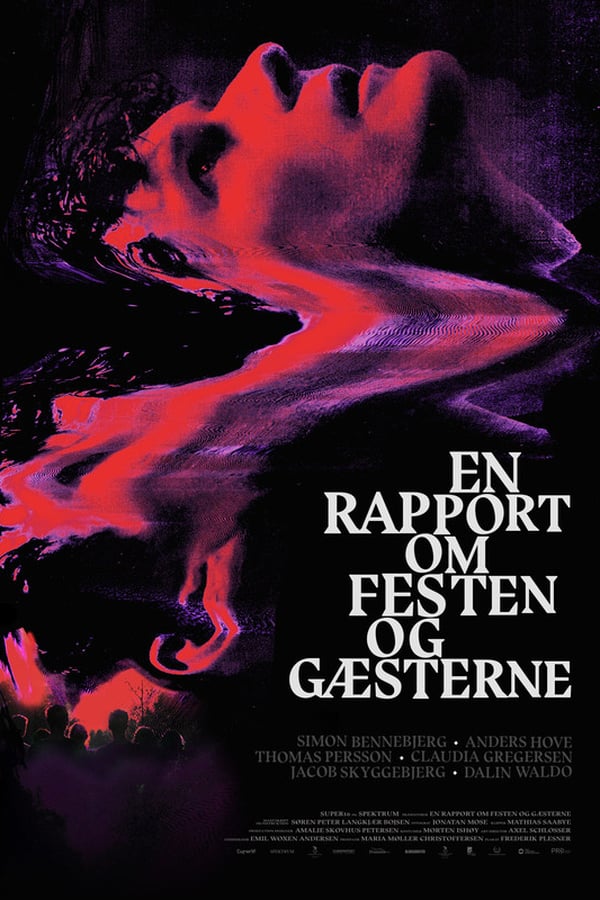
Another film banned by the communist ruling party was Jan Němec’s A Report on the Party and the Guests. This short picture (just 70 minutes) is an allegory on the totalitarian government, and the general ease with which average people will go along with being told what to do. A group of friends are enjoying a picnic near an idyllic stream when they are interrupted by a group of roguish henchman types, though the bad guys are smiling and outwardly agreeable. These newcomers are led by a man named Rudolph, who starts giving orders that the people be separated and to go along with it because, “It’s in their best interest.” When one man refuses to play along, he is roughed up, but Rudolph’s “boss” comes along and plays good cop, putting things right and inviting the original friends to his party by the river. The party might as well be “the Party,” and is clearly intended to be the communist government. Němec wasn’t even being coy, he’s pretty straight forward in his criticism of the system. As powerful of a political statement it is, I found it is a slog to watch. If it had been any longer, I probably wouldn’t have finished it. It’s just dry and slow, and I’m not sure the translation I watched was done well, because it seemed to repeat itself a lot. I can appreciate the director’s statement, but not my cup of tea. ★
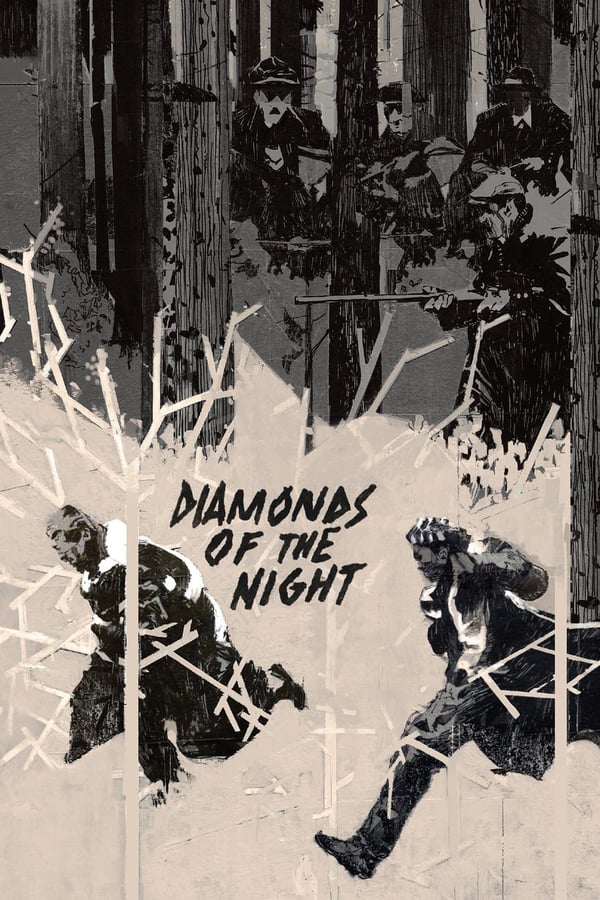
I wanted to give Jan Němec another shot, so sat down to his first film, 1964’s Diamonds of the Night, which, unlike the previous picture, actually has a real story. Taking place during World War II, this movie follows two young men, not much more than boys with only wispy facial hair, as they escape from a train taking them to a concentration camp. The film starts with thundering tension, as the duo are running up a hill, with the sounds of the train behind them, and shouts of “Halt!” and gunfire chasing them. They are able to get away, but that is just the beginning. As we follow them through the forest, we see visions along with them, of their past, their fears, and daydreams, as they struggle to even get along. For example, we see that while on the train, one of them had some food and the other had shoes, so they traded. Unfortunately for the new shoe owner, they are about 3 sizes too small, so it isn’t long into their trek that both are hobbling along. When they come across a poor farm, the one boy that goes in to steal food has visions of killing the farmer’s wife, though ultimately she willingly gives them bread (and then, after they are unable to eat due to thirst, she supplies milk too). Freedom also is just a dream though, as eventually they are overtaken by a hunting party. Their fate is ambiguous; like the dream state/nightmare they’ve been living in, they are either gunned down or allowed to walk free. It’s a brilliant picture and so different than Report. Much of the film is sparse with little dialogue, and the camerawork puts us in our victims’ shoes (or lack thereof), feeling all of the fear they are experiencing. Němec’s criticism of totalitarianism in his pictures ultimately got him blacklisted, and he went into exile. He didn’t return to Czechoslovakia until communism fell there in 1989. ★★★★
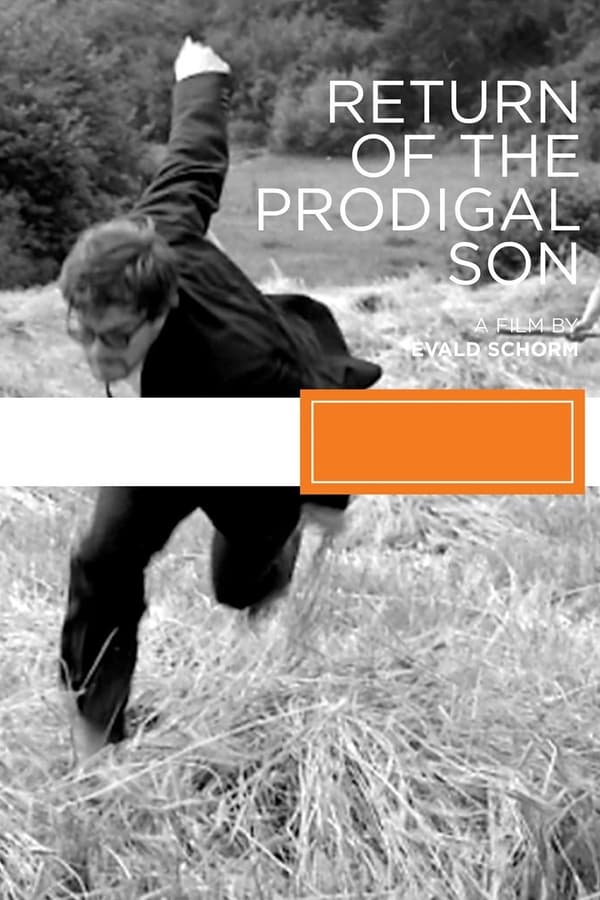
Return of the Prodigal Son from director Evald Schorm is, on the surface, less political than some of the previous films, but it is no less a powerful statement on human individualism under the current government. Jan is a man who’s just survived a suicide attempt, and finds himself in a mental ward to try to get him better. Oddly though, he doesn’t seem all that crazy, in fact, in an early scene where he wanders away from the hospital and the nurses chase him down, everyone ignores the “normal” people doing crazy things around him. Jan realizes the only way he’s ever getting out of the hospital is if he agrees to compromise on his morals and beliefs. If he does this, he’ll be considered “sane” and can leave. But the world waiting for him isn’t all that appealing: strict societal rules about what is accepted, a wife that cheats on him, etc. It’s a very nice picture, and I wish the director had made more films. Like some of his contemporaries, he was blacklisted by the government and was forced to do stage productions instead of films. He died before the communist government dissipated. ★★★½

 Jons Movie Takes
One thought on “Quick takes on 5 Czech films”