
Just Mercy is a timely movie, and an incredible one, with the great actor Michael B Jordan, who I see as a young Denzel, with all of his charisma and charm. Based on a true story, Jordan plays freshly graduated lawyer (from Harvard) Bryan Stevenson. Instead of seeking a high profile, high paying job, Stevenson, who came from a humble background, makes the decision to help people who haven’t been given a fair shake in the criminal system. Specifically, he heads to death row, and convicts who couldn’t afford good representation, in attempting to get them new trials, appeals, or pardons. The film mostly focuses on the case of Johnny D McMillian, who was convicted in the 1986 murder of a white young woman. The conviction was a joke, based entirely on the testimony of one man, under very shady circumstances. Stevenson sets out to prove McMillian’s innocence before it is too late. The film also shows others on the death row, and attempts to portray the brutality of the system. Even the older man who is definitely guilty of his crime, and admits as much, is painted as a sympathetic case: a man who is extremely remorseful for his sin all those years ago, and wishes he could take it back, not just because he is afraid of his impending death, but because of true remorse. I don’t think the movie will change anyone’s mind; if you are for or against the death penalty, you will most likely still be after, but it is a thought-provoking picture with supremely good acting by Jordan and Jamie Foxx (as McMillian). ★★★★★

Ever have those movies that start great, and fizzle out far too quickly? The latest example is Human Capital. The opening scene is a bicyclist going down a dark road at night, and he gets hit by a car. The film then flashes back to a different, seemingly uninvolved character named Drew (Liev Schreiber) and his events leading up to and after that night. Drew is an average guy whose daughter is dating a boy from a very wealthy family, including Quint (Peter Sarsgaard) and Carrie (Marisa Tomei). Quint is a hedge fund manager, and Drew sees an opportunity to make a lot of money quick. He gets a risky $300k loan from the bank, lying on the appropriate SEC forms about his income and wealth to pass their checks, and gives the money to Quint to make a quick fortune. He doesn’t know that Quint’s firm is on shaky ground. Sounds great doesn’t it? And it is, until Drew’s story comes to an end and we switch to another character. Other stories are told, including Quint’s, Carrie’s, and each of the teenagers involved, but none are as intriguing as the opener’s. Of course all blend together and it is supposed to end on a big reveal on how they weave in and out, but by then, I had stopped caring very much. The film devolves into a series of clichés and tropes; a lot of wasted potential. ★★½
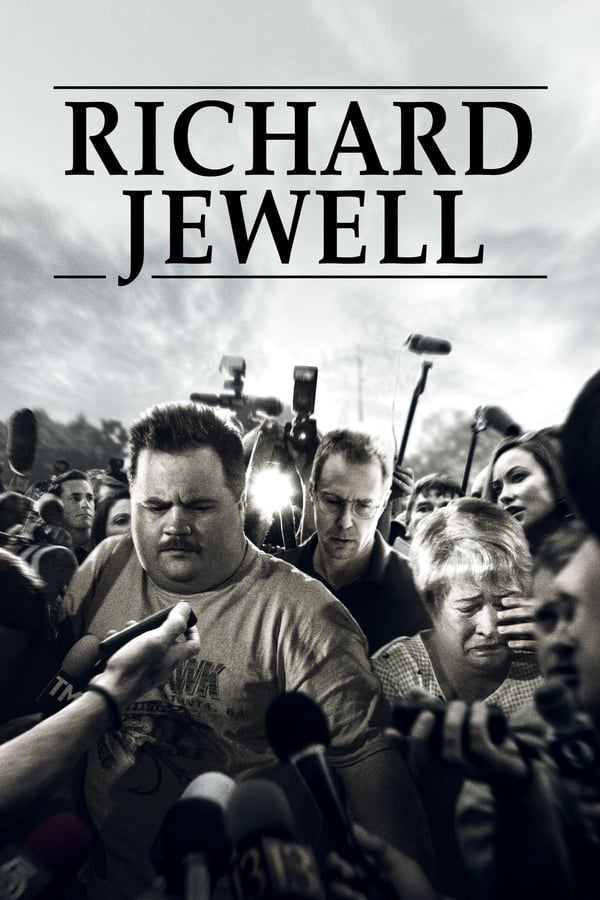
Richard Jewell is the latest from director Clint Eastwood, and it is exactly what you expect it to be; whether that is good or bad is up to the viewer to decide. It tells the true story of Jewell, first the hero that found the bomb at the Atlanta city bombing during the Olympic Games in 1996, and later the prime suspect as the FBI centered on him despite absolutely zero evidence. We see all sides, including the media who rushed to sensationalize the story to sell papers, the lead FBI agent who refused to admit he could be wrong, Jewell’s friend and lawyer, and he and his mother, who became victims of the entire system. The acting is fine enough (Paul Walter Hauser as Jewell, Kathy Bates as his mom, and Sam Rockwell as the lawyer Watson), but the story is too dry and generic. Maybe a younger generation who wasn’t aware of Jewell would get more out of it, but being an Olympics junky (I was actually in Atlanta at the start of the games, though gone by the time the bombing occurred), I knew most of the story already. For me, the film was just “ok.” ★★½
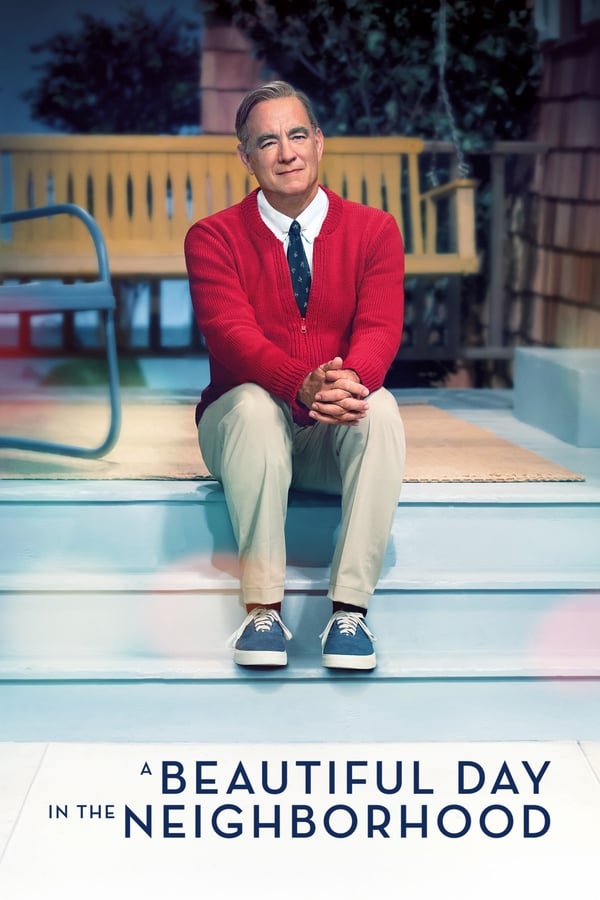
A Beautiful Day in the Neighborhood is a story about Mr Rogers, but as he lived in life, so is the film, meaning, Mr Rogers isn’t the focus. The main character is a journalist named Lloyd, who is given an assignment to do a fluff piece on Fred Rogers in the late 90’s. Lloyd has made a name for himself by looking for dirt on his interviewees, but he is unable to find an angle on Mr Rogers. Rogers really is as nice as the character he shows on TV, in fact, he is taken aback when Lloyd asks how he is “in real life,” like he’s different on TV. The theme of the film is growing as a person. Lloyd hates his father, hasn’t spoken to him in years, and rightfully so after the father did what would be for most people an unforgivable sin. But Rogers gets Lloyd to see past that, and look for the peace at the end, and Rogers doesn’t do it with words or lectures, but through example. It’s a wonderful movie about forgiveness, and trying to be the best person you can be, with tremendous acting by Matthew Rhys (from The Americans) as Lloyd, Chris Cooper as his father Jerry, and Tom Hanks as Fred Rogers. Hanks had his mannerisms and way of talking down cold. And as good of a person Rogers was in life, the film does point out that he wasn’t perfect, and that he tried every day to be better. I think the only people that wouldn’t enjoy this film are true cynics who, like Lloyd in the beginning, are only looking to tear people down. ★★★
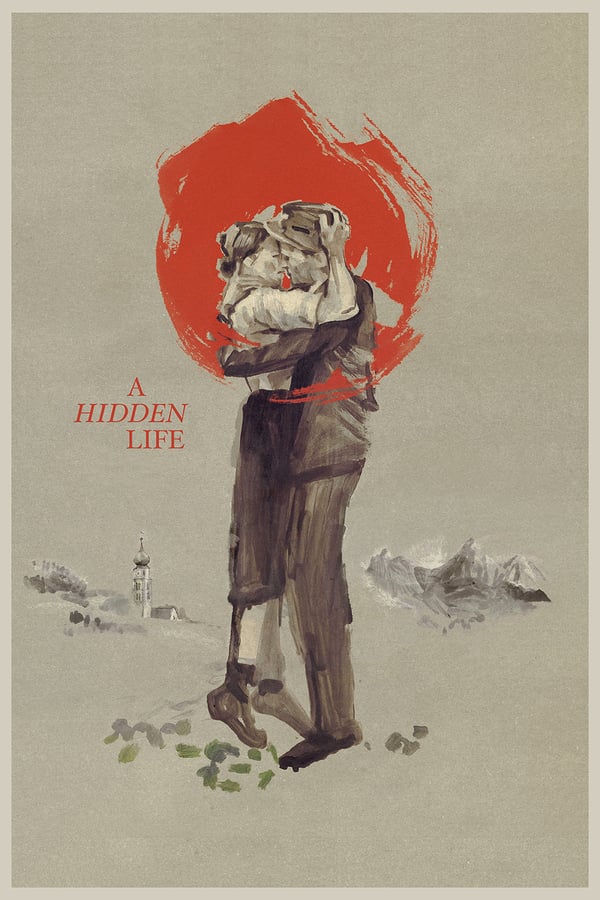
I just watched The Tree of Life a couple years ago, and it was a profound experience for me at the time. I went into Terrence Malick’s newest film, A Hidden Life, with high expectations. Unfortunately this one was a let down. Let’s get the obvious out of the way: it is a beautifully shot film, with Malick’s trademark scenic shots, meant to invoke thoughts of the grandeur of life and nature, are again absolutely gorgeous here. The film takes place in the hills and mountains of Austria in the 1930’s, and the scenery is breathtaking. But that’s the highlight of this film for me, and you can’t just watch that for three hours (yes, three!). The movie is based on a true story about a conscientious objector who refused to fight for Hitler in World War II. Franz is a farmer with wife and kids in the small community when war begins to break out. He goes through training, but when France surrenders and everyone thinks the war will be over soon, he is sent home. When the war lingers on, Franz and his fellows are called back, but he resists. This brings turmoil to the family, making them the target of neighbors who fear Germany’s wrath on their community, and even his kids are bullied. Franz finally relents for fear of safety of his family, but at the roundup, Franz refuses to swear fealty to Hitler. This lands him in jail for the next couple years, and the film becomes a series of letters written back and forth between Franz and his wife. If you’ve seen the last 10 years of Malick’s films, you know about his famous pacing (or infamous, if it isn’t to your taste). I often don’t mind a quiet, slow film, but this one will test anyone. I watched through it all waiting for a moment of profound clarity, but it never arrived. A couple stars for the cinematography, but that’s it. ★★

 Jons Movie Takes
One thought on “Quick takes on 5 films”