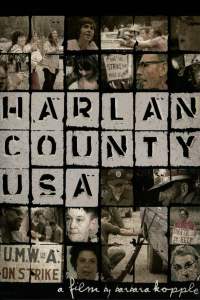
 I’m not much of a documentary person, but I thought I’d give a shot to a few older ones, and I’ve really enjoyed these. Harlan County, USA won the Oscar for this category in 1976, and follows a strike by coal miners in Kentucky, a strike that went on for over a year. It follows the miners attempt to unionize, a move that was obviously fought by Duke Power Company, and much of the behind-the-scenes issues that the families faced before and during the strike. They didn’t want a huge raise, they just wanted healthier working conditions, better insurance for when they inevitability got sick or injured in their dangerous work, and pensions that allowed them to retire rather than work till they died. Their attempts to keep solidarity, fights against local authorities who often seemed to be on the side of the company, intimidation by the company’s hired goons, and their own intimidation to scabs brought in to work the mine during the strike are all shown. A great film where the filmmaker let the people involved do the talking without narration, which allowed the dire situation of their predicament come through to the viewer.
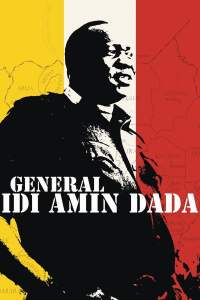 In 1974, filmmaker Barbet Schroeder was given full access to Ugandan leader General Idi Amin Dada Oumee to make a documentary about himself. He wanted to show the might of his country to the world. Schroeder did deliver a 1 hour film to Amin that he liked, but added an additional 30 minutes for a film to be shown to the rest of the world. This second film Schroeder ended up making was very different from what General Amin wanted, and he was furious at how he was shown in it. But outside of a few very short interjections here and there to set facts straight, Schroeder lets Amin do all the talking. After a short introduction by Schroeder describing Amin’s rise to power and the current inflation-ridden status of Uganda due to his policies, the filmmaker watches Amin boast about himself non-stop (he is a world heavyweight boxing champion and could run the 100 meters in 9.8 seconds!) and about the might of his military (he trains troops for water attack and paratroopers yet has no navy and few military aircraft). Schroeder’s access to Amin’s cabinet meetings show a man who tries to sound in total control but instead appears to be a man paranoid of his detractors. If this sounds familiar, it isn’t far different from the dictators across the world today, and listening to him proclaiming the greatest of his accomplishments sounds much like our current president. Pretty eye opening. Today General Amin is called “the butcher of Uganda” and is known as one of the most brutal world leaders in history, having killed hundreds of thousands of his citizens and opposers during his reign from 1971 until his ouster in 1979.
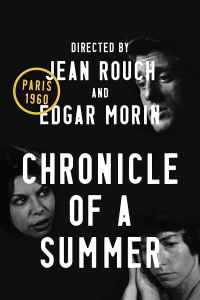 Sociologist Edgar Morin and anthropologist/filmmaker Jean Rouch teamed up to make Chronicle of a Summer in Paris in 1961. They wanted to interview average people in all walks of life and get a feel for how people were feeling in a post-industrial, post-colonial, increasingly consumer-driven society. Starting with the general question, “Are you happy?”, they veer off into other subjects from there. What the viewer comes away with is generally, no, people were not happy, and probably for the same reasons as today. Overwhelmingly people wanted more money. While some took a relaxed view of work with an “it is what it is” kind of attitude, many downright hated their jobs, and didn’t see a comfortable end to the cycle of getting up, working hard all day, going home tired, and doing it again the next day. This feeling of hopelessness and helplessness led many to anger. Life was generally (and continues to be to this day, I think) easier for us than for the previous generation, but it is hard to see that when society is telling us you need to own “this” car and live in “that” neighborhood to be considered successful. Later in the film, talk turns to the war in Algeria, race relations, a feeling of political impotence, and other serious topics. By the end of the documentary, the filmmakers realize that the film has become something very different than what they set out to do. Another film with stark comparisons to today, though if anything, I think the resentment in the working class and the push to keep up with the Joneses has only gotten worse in the last 50 years.
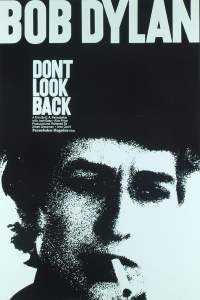 Dont Look Back is from famous documentarian DA Pennebaker, following Bob Dylan’s 1965 British tour. Pennebaker was given complete access and we see a relaxed, unfettered Dylan, someone who is now known for being so reserved, who rarely gives interviews. It starts with his arrival in London in 1965, now a star after a meteoric rise (Dylan quips that he was just here 2 years ago and no one noticed). From there we see the daily life surrounding Dylan for this short, acoustic tour, performing his early hits that he is all ready tired of playing. His first electric album has all ready been released, but the fans obviously still want to hear his acoustic hits. It’s a fantastic documentary and a superb inside look at the industry. We see Dylan’s interactions with fans (including his frank recounting of these interactions behind stage), brush-ups with hotel staff complaining about noise, run-ins with other musical acts and professional friends, an argument with a reporter from Time, and negotiations over money between Dylan’s manager and local venues. The young Dylan (only 23 or 24 years old) is sometimes fun (and funny!) and engaging, sometimes surly and combative, sometimes quiet and contemplative. Pennebaker gets it all on tape for a close, personal look at a man whose music spoke to a generation, who seems unsure that his music means as much to himself as it does to others. Truly an amazing film, even for people who aren’t necessarily Dylan fans. I myself only have a passing knowledge of his biggest hits, don’t own a single record of his, but I enjoyed this film.
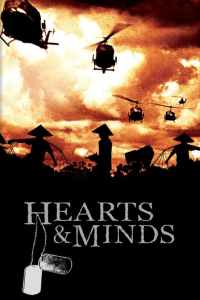 Winner of the 1974 Oscar for best documentary, Hearts and Minds is a real look at the Vietnam War, from director Peter Davis. It is about as all-encompassing as you can get, albeit all from a skeptic’s point of view. Starting with a recap of why the government took us into the war in the first place (buildup of communism in the area and the ego of the USA that they saw themselves as world policeman after World War II), we see a series of interviews with dozens of people. We get viewpoints from politicians, generals, Vietnamese citizens, front-line soldiers (with the sounds of bullets flying by just overhead), religious leaders, and many others. We see the destruction on the ground, with citizens crying for lost loved ones and destroyed homes. Very frank discussions are included, such as a Native American who says he signed up to kill “gooks” but now admitting he was brainwashed, not realizing at the time that they were derisive of the Vietnamese population while he himself was called racially insensitive names by his own commanders. Another soldier doesn’t even remember why he signed up, and says he has seen nothing good since arriving. Soldiers burning villagers’ homes while the owners can just watch in silence. And through it all, the brass and politicians continue to talk about how important the war is to the future of our way of life, while citizens (there and here) grew angrier. Probably as inclusive a documentary as you will find, with lessons that still need to be learned today. Those who do not learn history, etc. etc.

 Jons Movie Takes
2 thoughts on “Quick takes on 5 classic documentaries”