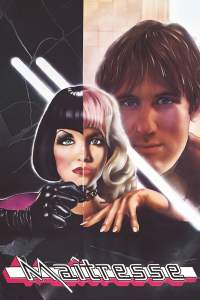
 Maîtresse, directed by Barbet Schroeder, stars Gérard Depardieu (an early role for him) and Bulle Ogier in a very strange and provocative film. Olivier is a bit of an aimless drifter and petty thief when he runs into Ariane as he is trying to rob her. He is smitten with her at first sight, but is unprepared for her job as a dominatrix. Ariane dresses up in leather and is paid by men to humiliate them. They get sexual pleasure out of it, but she does not, she only does it because she is good at it. Olivier comes into this life with his traditional views of male dominance in relationships, and he isn’t ready for the flip. Ariane herself seems confused at times, sometimes acquiescing to Olivier, and at other times putting him in his place. This film was released in France in 1975 and was hit hard by the UK standards when they tried to release it there in 1976. They cut some of the graphic footage to get all the way to an X rating in 1981. Some of those scenes are hard to watch, definite pain was used and it was not faked during filming. Most certainly left me uncomfortable, both as a man and as a movie watcher. Not sure how I feel about this one, some of the aspects of the story of the relationship were quite good, but when they went for shock factor, I was ready to check out.
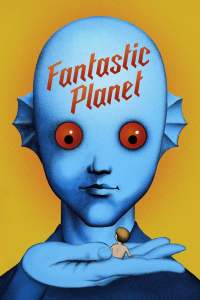 After finishing Fantastic Planet, the only thing I could think was, “What the heck did I just watch?” An animated film, it takes place on an alien world where a large, blue people called the Draags keep palm sized humans (which they call Oms) as pets. The Draags live long lives, a week to them is a year to an Om. When a baby Om named Terr is raised by a teenager as her plaything, he gains much of their knowledge, and finally escapes to the “wild oms” to share his new-found insight. When the Draags come around 15 years later for their regular cleansing, to kill a bunch of Oms as population control, Terr and his friends are ready, and escape on rockets to another planet, where a new discovery is awaiting them. It’s a strange film, with unique animation. I’m not sure what to think about it. There are obvious correlations between race relations and power/control/oppression, but with so much going on, including a twist in the end, I think there’s more to ponder for those who wish to delve deeper. Not my cup of tea, but it’s OK.
 I cheated on this one. French director Louis Malle made both French and English films, and while this one was filmed in France, it does feature English dialogue. Black Moon is a trippy, Alice in Wonderland sort of tale. A late teen/early 20s woman is driving through the countryside while a very literal war of the sexes is going on, with male troops gunning down woman and female troops beating up men. She falls asleep, and awakes in a bizarre world where she hears the flowers she is laying on screaming, and looks up to see a black unicorn walking away. And it gets only more strange from there. She ends up at a secluded house with an old woman who communicates with her pet rat, naked children herd sheep and pigs on the grounds, and a brother/sister duo who are as peculiar as they come. Filmed by long-time Bergman cinematographer Sven Nyykvist, it plays out like a surrealist dream, with each succeeding scene more out there than the previous. A bizarre but very fun film. I’m not sure it is meant to mean anything, but it is entertaining.
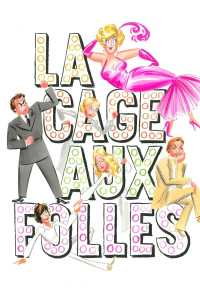 The 1978 film La Cage aux Folles is the first film to come out based on the French play of the same name. It is more popularly known in America as the 90s movie The Birdcage. Laurent (Remi Laurent) is getting married to a girl from an ultra-conservative family, but the couple has to first reign in Laurent’s gay parents, Renato (Ugo Tognazzi in the Robin Williams role) and Albin (Michel Serrault originating Nathan Lane’s part). Renato and Albin run a drag queen bar below their apartment, but agree (begrudgingly for Albin’s part) to go along with the charade to make Laurent happy. Hilarity ensues, and things get worse for our group when Laurent’s estranged birth mother shows up at an inopportune time. A very funny movie, way ahead of its time for 1978 cinema.
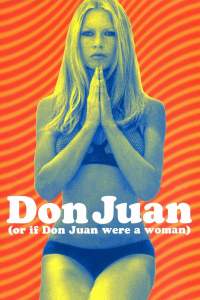 In 1973, 60’s sex symbol Brigitte Bardot made here second-to-last film, Don Juan (or if Don Juan Were a Woman), directed by Roger Vadim. She shortly thereafter retired at the age of 39 and stuck to it. I really enjoyed this film, showing Bardot’s character, Jeanne, treating men in an uncaring way that is a total role reversal from what we often see in film. The movie opens with Jeanne visiting her cousin, a priest, and asking him to come to her place that night. He refuses, saying he does not condone her lifestyle, but she pleads, saying she has murdered someone. He goes to her to hear her confession, and she regales him with tales of her exploits. She had a fling with a married man, and when he tried to pull away, she seduced him until he craved her, losing his wife and family in the process. On another man, who treated women as playthings (boasting about the youth of his third wife), Jeanne is able to ridicule him in front of his business partners by going to bed with not him, but his young wife instead. Ultimately, we find out that Jeanne didn’t invite her cousin over for absolution, but instead to corrupt him as well. You have to stay until the very end to find if she gets her comeuppance or not. A bit melodramatic at times, but a very fun film.

 Jons Movie Takes
One thought on “Quick takes on 5 70s French films”