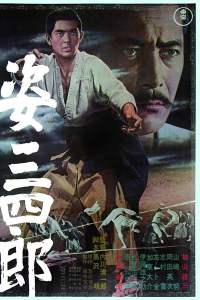
 Up today is a set of films from one of Japan’s greatest directors, Akira Kurosawa. In fact, it is his first five films as director. First was Sanshiro Sugata, released in 1943. After opening with some title cards explaining that 1800 feet of film have been lost to time, the movie commences. It follows Sanshiro, a young man who has come to the city to learn jujitsu. After finding a good judo teacher, he advances quickly, eventually finding himself in a match to the death with a rival from another school, someone who shares an attraction with the girl Sanshiro has set his eyes on. I found the film to be a bit ponderous, but it does have some highlights including the ultimate matches in the final 20 minutes of the film. A decent enough film about enlightenment and self discovery.
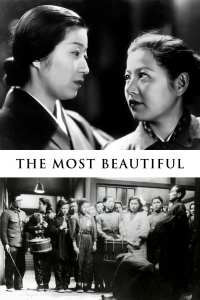 The Most Beautiful follows women factory workers who are under pressure to increase production during World War II. Made in 1944, it skirts the edge of propaganda but still creates a heart warming tale. The woman make lenses for rifles and whatnot, and when told the men will be increasing production 100%, they volunteer to go up 66% to do their part. However, they almost immediately begin to struggle to meat those lofty goals. Some get sick but continue to work, others are legitimately hurt and sent home, increasing the strain on the remaining girls. The underlying subtext throughout is love of country and the desire to do your part in the war. A nice, quiet film.
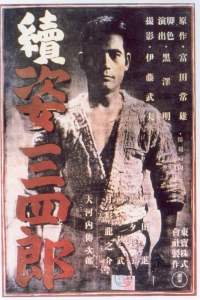 If The Most Beautiful was a step forward for Kurosawa, Sanshiro Sugata Part Two is a step back. A sequel to his first film, this one is really just over-the-top war propaganda, with the thinnest of plots, and really goes nowhere fast. Set two years after the first film and released in 1945, Sanshiro is an established judo expert and feared among his detractors. He holds on to his honor though, defending fellow Japanese citizens when they are targeted by Americans, and refusing to engage in American boxing matches for sport or money. When he is challenged to a duel by the brothers of his defeated rival from the first film, Sanshiro must decide if he will set aside his honor for personal glory or stay to the path his teacher has laid out for him. Unfortunately not a very good film, it just bounces around too much and nothing of import ever really develops.
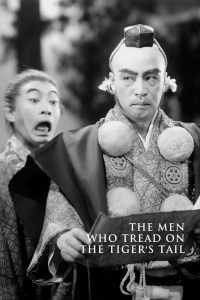 The Men Who Tread on the Tiger’s Tail is a short film, less than an hour, and nearly entirely dialogue driven. It follows the deposed leader of a powerful shogun family in 12th century Japan, who is on the run from his power-hungry brother. Backed by only 6 loyal samurai, they are heading cross country to cross the border into safer lands. They are disguised as monks and are being guided by a single porter, who at first does not know their true identities, and who also provides the comic relief for the viewer. I thought it was OK, nothing special, but not a bad way to spend an hour. It has most been ignored, even by Kurosawa fans, but it isn’t terrible. There are some tense moments when the group needs to cross a check point at the border, but there really aren’t any surprises. The film was banned by Japan’s film governing body when it was finished, who disapproved of such a comic figure as the porter in a film depicting a famous incident in Japan’s history, thinking it made light of the event. Because they failed to recognize it, the occupying American forces thought it was an illegal production and banned it, but it was ultimately released years later, in 1952.
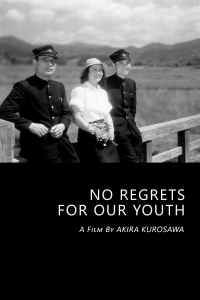 No Regrets for Our Youth was the first film Kurosawa made after the end of World War II, and in my eyes, his first great film, though it doesn’t get the attention of his later movies. A film about a trio of young people dealing with the effects of increasing fascism in Japan heading up to the war, the central figure is Yuki, the attractive daughter of a professor in Kyoto. Yuki has two suitors: Itokawa, a level headed young man and Noge, a far leftist who opposes the military buildup. Yuki seems unable to choose between the two before the government clamps down on socialist views, and when the film fast forwards five years, Itokawa has become a public prosecutor and Noge has spent four years in jail for his beliefs. Finally able to decide what she wants, Yuki goes to Tokyo to be with Noge, but it isn’t long until he is arrested again, and ultimately he dies in jail. Yuki goes to his surviving parents, who are poor rice farmers, to try to convince them that their son was a good man, putting the lessons Noge taught of hard work and eternal belief in a cause to good use. A powerful and emotional film, it clearly shows Kurosawa’s views of a country reeling from the effects of what was, in his mind, a terrible, ill-guided, and ill-fated war.

 Jons Movie Takes
One thought on “Quick takes on 5 Kurosawa films”