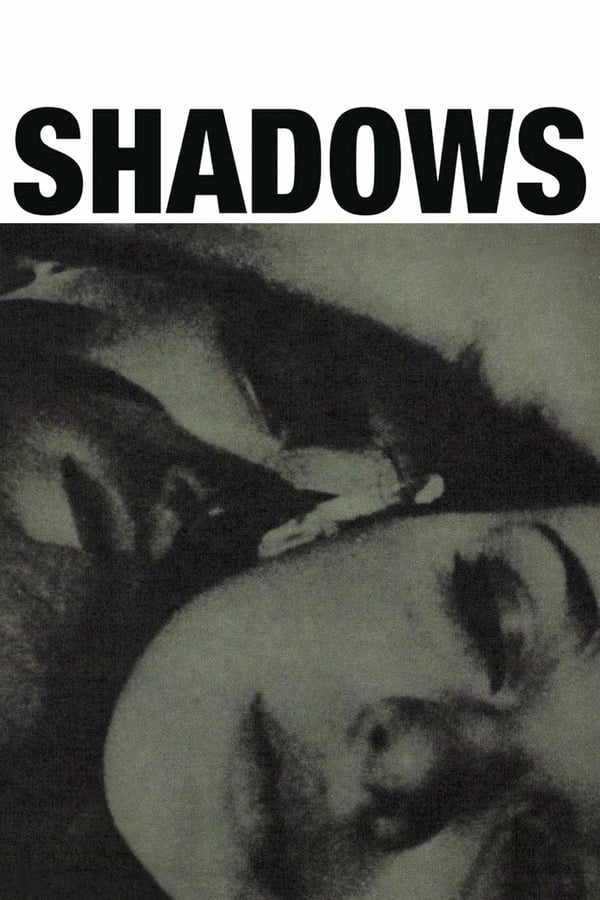
In my turn through some art house and independent films, I was bound to get to some John Cassavetes before too long. Through his acting workshop in New York, he began teaching an alternative to method acting, instead focusing on improvisation and going for a feeling of realness to connect to the viewer. He shows this style in his first film, Shadows, from 1959. On a basic level, it shows the interactions of others around a family of young adults living in New York. They are black, but among themselves, the eldest brother (a jazz singer) is very dark skinned, whereas the younger brother (a trumpeter) is lighter, and the youngest sister (just 19 years old) is so light-skinned that she could and does pass as a white person. When she brings her one-night stand home and the guy realizes she is actually black, he freaks out. Cassavetes hired nonprofessionals as actors, made the film on a shoestring budget, and used the natural feel of the gritty New York night scene to bring his film to life in exquisite perfection.
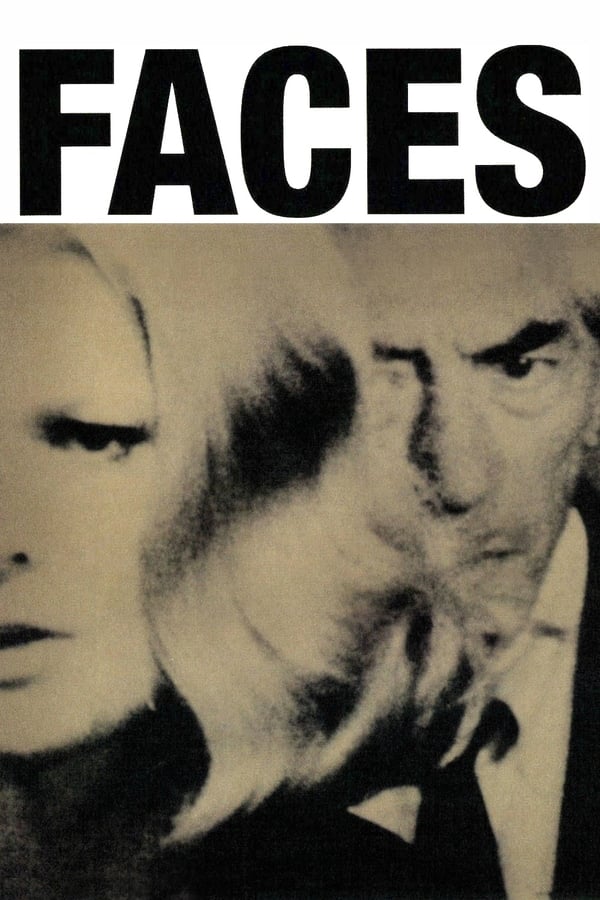
Cassavetes made a couple more movies after Shadows, but the next time he self-financed one was Faces in 1968. On the surface, there isn’t much to this one, but like Shadows, it is a highly personal film where the human being is really the focus. It is about a man, Richard, who is out drinking with a buddy one night when they end up at a prostitute’s house, Jeannie. The two share a kiss before Richard heads home to his wife, Maria. Richard and Maria engage is meaningless banter, the kind that unfortunately permeates most staid marriages, until Richard suddenly announces he wants a divorce, before calling Jeannie right in front of his wife to tell her that he is on his way over. With Richard gone, Maria goes out with her own friends and finds a young playboy to bring home. This film could be full of cliches, but Cassavetes avoids them by making the characters feel very real. Richard and Maria could be any middle aged couple who have grown bored with their lives. I honestly found some of the dialogue tedious, probably because Cassavetes allowed his actors to improvise much of it and it just feels like the kind of conversations that take place at any drunken party, but that realness only adds to the connection we get to the people on screen.
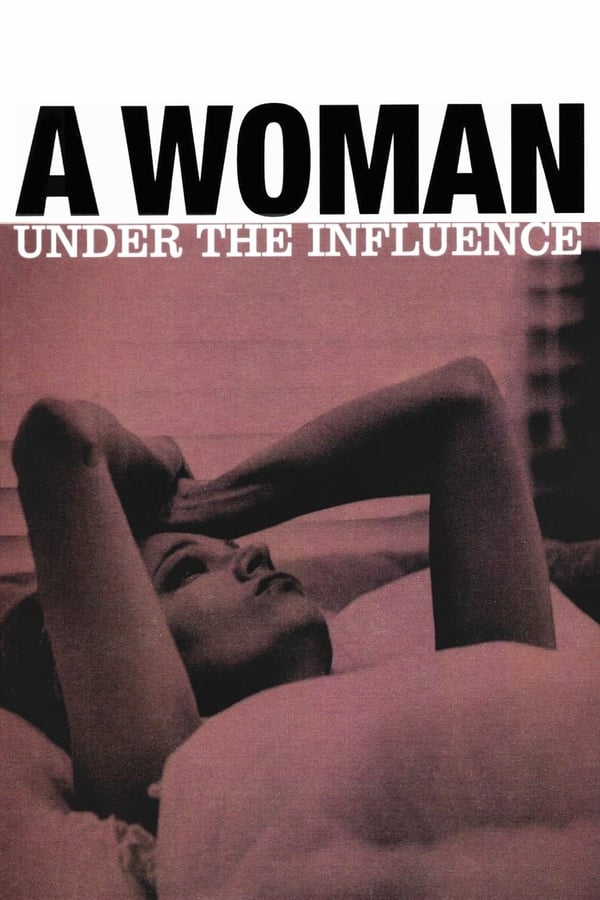
Arguably, Cassavetes most well regarded film was A Woman Under the Influence from 1974. It is certainly his most emotional. It stars Peter Falk and Gena Rowlands as a married couple. Mabel is suffering from severe mental problems, to the point that she is becoming a danger to herself and her kids. Nick doesn’t want to face it though, because he loves her and fights anyone that tries to say she isn’t OK. Eventually she is committed though, and when she returns, quiet and subdued, Nick misses the zany way she used to be. There are multiple layers here too, such as their interactions with their kids, and the husband’s mother, who is a dominating woman by herself, and to whom Falk’s character acquiesces as well. Falk and Rowlands are equally amazing in this film (Rowlands received an Oscar nomination, as did Cassavetes for directing). The viewer can feel the crazy coming from Rowlands and the frustration from Falk. Tremendous film.
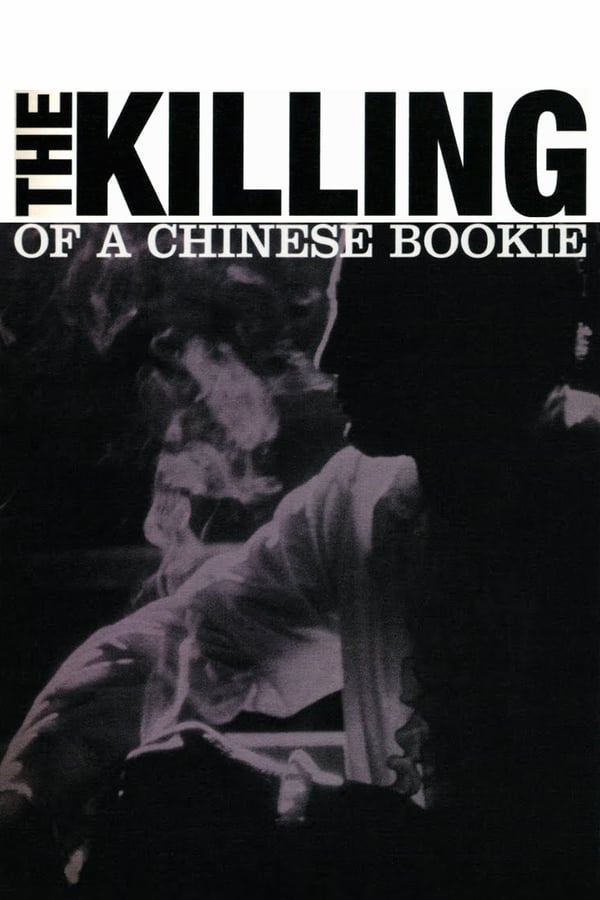
Cassavetes followed up with a noir-style gangster film, The Killing of a Chinese Bookie. This movie felt very different from the previous ones. It is about a sleazy topless bar owner, played by Ben Gazzara, who finds himself in heavy gambling debts to the local mafia. To forgive the debt, they commission him to kill a rival to their group. Not a deep film, but it is an entertaining one, and very introspective in true Cassavetes’ style. It is more accessible to the general viewer than his previous films, and probably more in feel to the films Cassavetes made as an actor than his other directorial projects. This movie was lambasted when it first came out in 1976, but it was re-edited and released again in 1978 to better reviews. Honestly I think it was ahead of its time.
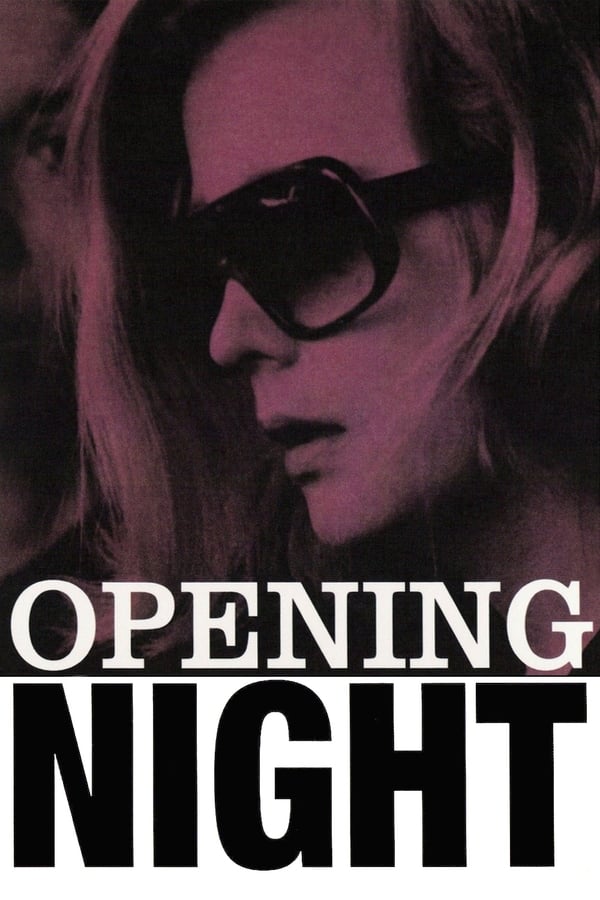
Finally, we have 1977’s Opening Night. This is a great multi-layered film. On one level, Gena Rowlands plays Myrtle Gordon, a successful but aging theater actress who finds herself at a crossroads in her career. She isn’t old yet, but is too old to play the young roles. She is currently headlining a play (directed by Ben Gazzara’s character) in which the woman is also dealing with her aging self. Myrtle is afraid to do well in the play, and being typecast in the future as “the old lady.” At the same time, she is haunted by a beautiful young girl who was killed in front of her on a rainy night just after a rehearsal. The lines between the play and reality begin to blur for Myrtle, and her alcoholism gradually speeds her descent. This alcoholism is the true centerpiece of the film, and shows how far her director, writer, and fellow actors are willing to go to see that “the show must go on,” ignoring or not seeing Myrtle speeding towards self destruction. The more I see of Rowlands, the more I see why people have gushed about her all these years. Truly fantastic stuff.

 Jons Movie Takes
2 thoughts on “Quick takes on 5 John Cassavetes films”