Starting off today with a trilogy, and though I usually try to avoid spoilers on films, since this is a trilogy, it is unavoidable. Based on stage plays by Marcel Pagnol, the films follow a tight-nit community in Marseille. If you like classic French films though, I recommend not reading, and going to watch them first. They are fantastic!
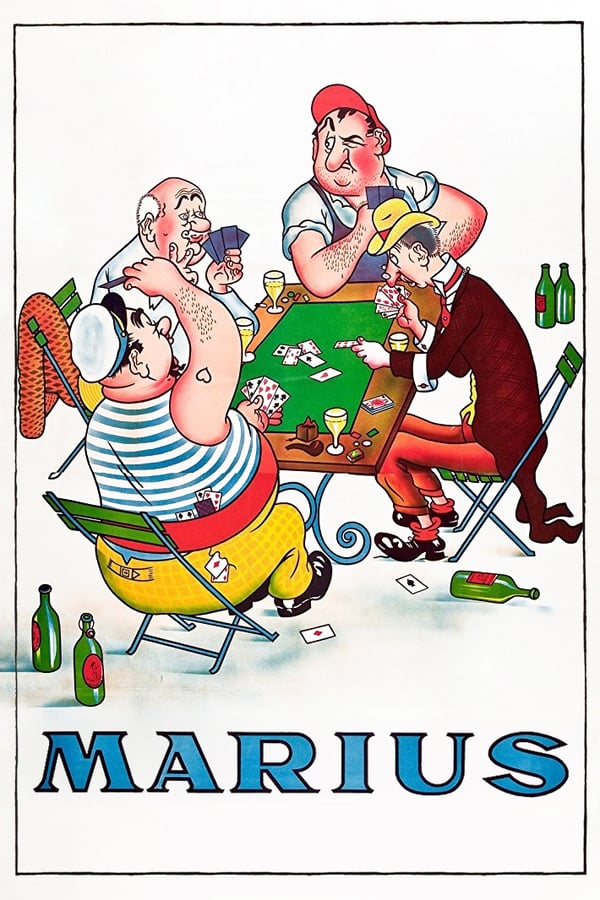
The first film is Marius, from 1931, an early French “talkie.” Pagnol got Alexander Korda to direct this one, and while he was all ready an established director, he had yet to make the big blockbusters that would make a name for himself. On the coast of Marseille, César runs a bar with help from his son Marius, though Marius longs to leave and sail on one of the ships that frequently come in to the harbor. The only thing keeping him here is his love of Fanny, a young woman who sells cockles in front of the bar. Fanny is being courted by Panisse, who as a sailmaker in a port town, is one of the wealthier of the working class in the area. Fanny’s mom doesn’t necessarily want to see her daughter with the much older Panisse, but at the same time, doesn’t want to see her struggle as she herself has all of her life. When Fanny and Marius get caught sleeping together, Fanny’s mom forces them to plan a marriage. However, Fanny knows that Marius will never be happy staying in Marseille to take over his father’s bar, so she tells him to leave and join up with the next ship heading out. In the end, Fanny distracts César just long enough for Marius to get away. This film has it all: hearty laughs, endearing love, and misguided longing. As a viewer, I just wanted to slap Marius for what he is giving up: a woman who loves him enough to let him go to pursue his dreams.
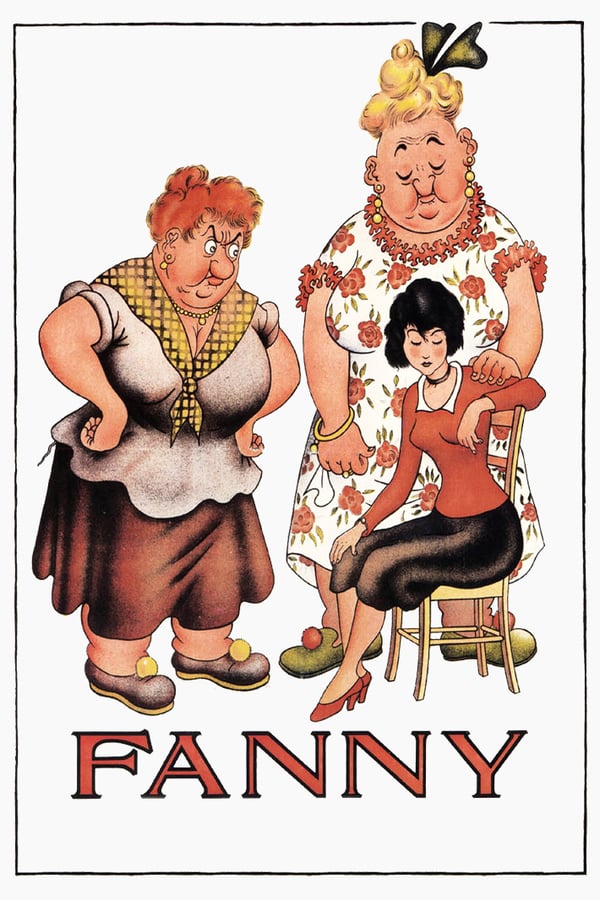
The followup came a year later. Fanny was directed by Marc Allégret, and while a good movie (with a great story), Allégret is no Korda. Even so, the writing carries the film. It starts right where Marius ended. César is looking around for Marius, only to find he has just left for a 5 year voyage. As things start to settle, Fanny realizes she is pregnant with Marius’s child. In fear of bringing shame to her family, she goes to Panisse, to beg him to marry her still to legitimize her son. To her surprise, Panisse has no problem with it. He always wanted a son to take over his business one day, and his first (now deceased) wife was unable to have children. Panisse and Fanny immediately marry, and 7 months later, their “premature” baby boy is born. Just about a year after this, Marius returns, earlier than expected. He has come back realizing what he left behind, and wants Fanny to leave Panisse to return to him. While there though, he puts two and two together to realize the baby is his, and now wants Fanny and the child. Panisse agrees to let Fanny go, but refuses to give up the child, who he will raise as his own. Fanny will not part from her baby, and tells Marius to go back to his boat, and is backed up by César, who also wants the best for Fanny and her son. Fanny confesses that she will always love Marius, but that her duty is to her baby and her husband, and what has happened cannot be undone. She tells Marius to go, and that she will think of him always.
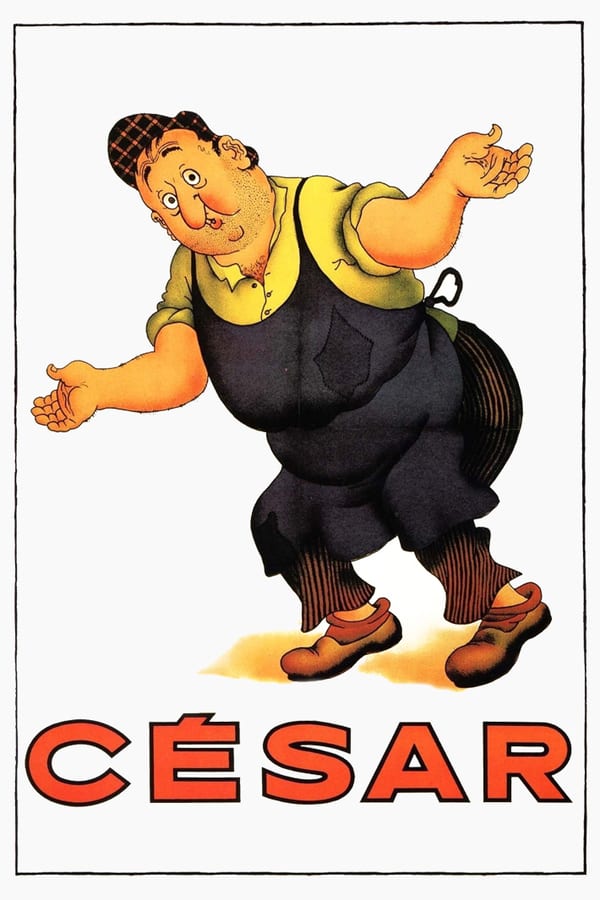
The finale came in 1936, and focuses on César, the glue behind the trilogy. Pagnol himself directed this last movie, which was not based on a previous play of his, but instead was an original script. It jumps the story ahead 20 years. Baby boy Césariot is now a young man in a fine military college, and his father Panisse is on his death bed. Upon his death, Fanny finally tells Césariot the truth about his birth, and Césariot rushes off to find Marius to see what kind of man he is. Marius and César had a falling out years before and haven’t spoken, so Césariot thinks his father is a cad, a scoundrel, or worse. By the end though, the whole family is reunited, with Césariot hoping to grow closer to Marius, and Marius and Fanny set to rekindle their relationship, and César just happy that everyone is content. The film felt like the weakest of the three, but mostly because it relies on relationships that the viewer has already seen built, rather than new storylines. The plot moves slower just like the aging characters, and while these films have always had a lot of tangents, César seems to be more tangents than substance. I felt at times that it was only written and released to bring closure, and from a pure art standpoint, the first two films really stand well on their own as a duo. Still, I enjoyed this one, and appreciate the set as a whole, a trio of movies the likes of which you rarely see these days.
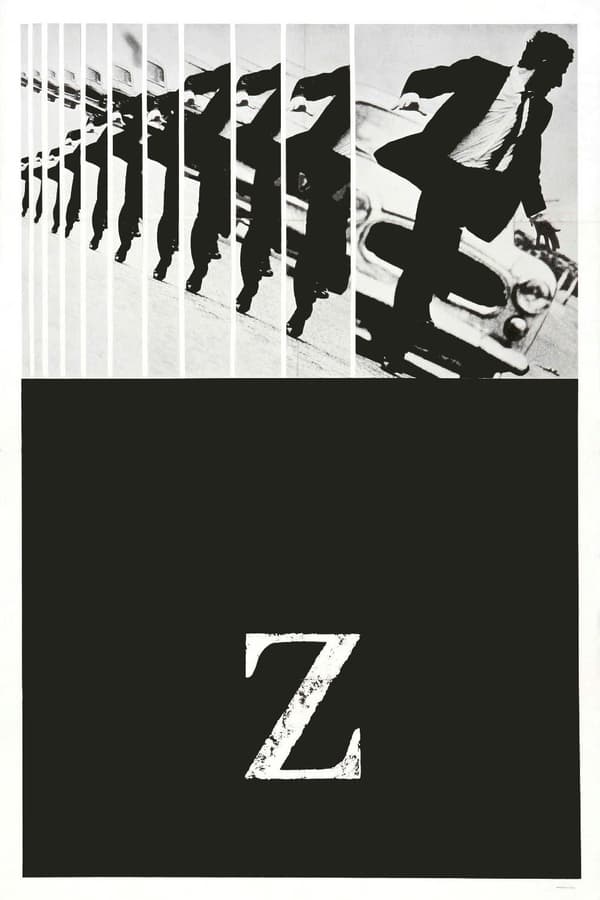
The final two French films are from esteemed director Costa-Gavras. Jumping ahead a few decades, to 1969, we have Z. This film is incredible. Based on a true story (without much deviation, it is supposedly extremely factual), it tells of the assassination of a Greek politician in the early 60’s. A pacifist deputy is due to give a speech denouncing actions of the fascist government, but the event is targeted by right-wing protesters, and the deputy is killed during the melee. While the government wants to paint it as an accident and quickly move on, an autopsy shows that he was struck by a baton and not killed by falling down, as the government would have everyone believe. An honest and impartial magistrate is brought in to conduct an investigation, which we see play out for the remainder of the film. With the help of an independent journalist who really is just looking for a good story, the viewer watches as the case unfolds, and we see that the government was more than just a bystander to the violence. Part courtroom-esque drama, part action film, and intense from the opening moments until its thrilling conclusion, this is a movie I cannot recommend enough. One of the rare films to be Oscar nominated in both Best Picture and Best Foreign Language Film (it won the latter).
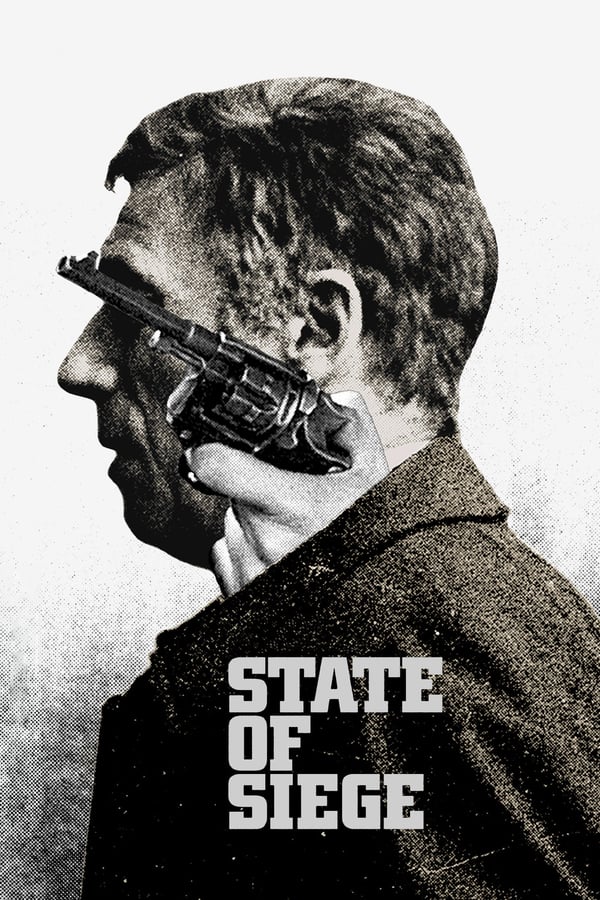
State of Siege, from 1972, is also based on a true story, though more loosely than Z. Taking place in an unnamed Latin American country, it starts with showing a military-looking police searching all cars for a missing American. He is found dead, and then the story of his death is told. A week earlier he was kidnapped by a group of terrorists and revolutionaries, who are demanding the release of political prisoners. The American, Philip Michael Santore, is in the country working for the USAID, but we learn through his interrogation that he was really there for the CIA. Having already worked to overthrow governments in Brazil and the Dominican Republic, he is now working in this country. The viewer learns how the US government secretly brings in the police of these countries, teaches them how to torture and make bombs, and then use these bombs to create panic in their own countries. With this public panic, the president is able to enact emergency methods to crack down on the press, the parliament, and enforce military control on the people, killing or silencing critics that speak out. Based on the kidnapping and murder of Dan Mitrione in 1970 in Uruguay, this film was decried by the US government as lies and propaganda. Maybe not quite as thrilling as Z (it is almost entirely made up of dialogue), I still found it fascinating, and I tend to believe the things our country is accused of. In our current environment of a president using scar tactics to get people to follow him, and threatening to use decrees to get what he wants rather than working through Congress, we should fear something similar to this film happening right here.

 Jons Movie Takes
One thought on “Quick takes on 5 French films”