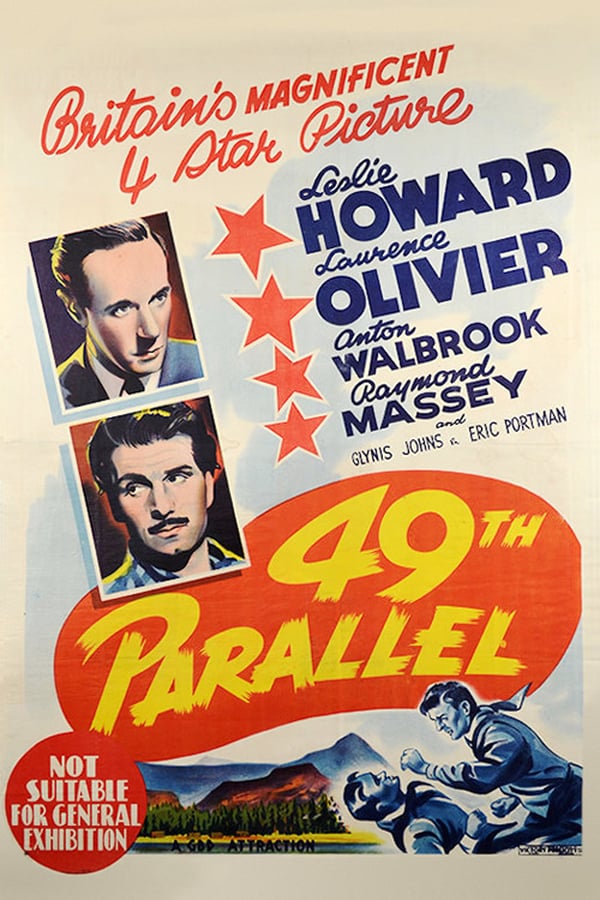
Up today is a set of films starring the great Laurence Olivier, beginning with 49th Parallel from 1941, written and directed by the famous duo of Powell and Pressburger. It is a British war propaganda film to drum up support against Nazi Germany, but it is a much better film than most such movies. A German sub is reconnoitering in Canada when it is sunk by Canadian airplanes. A team of survivors escape and make their way across Canada, leaving a swath of death and destruction behind them. They are picked off one by one on their journey, until only one is left and he too cannot escape his fate. Sounds straight forward, but there are some rousing moments and some conflicting ones for our Germans too. One particularly powerful one is when they find themselves at a religious community made up of German Canadians. The Nazi leader thinks he will find support here, but is rebuffed by the people who see themselves more as Canadians than Germans. One of the Nazis, a former baker before he was drafted into the army, enjoys the quiet atmosphere, and when he hints that he’d like to desert the army, his fellows kill him. The movie portrays a lot of instances where the Nazi Germans are blindly following instructions, but even their victims are willing to forgive them their terrible practices. A very good, moving film. Olivier is given top billing due to his stardom, but he is only in about a third of the film, playing a French Canadian fur trader near the beginning. Many other noticeable faces too, including Eric Portman in the lead, and Leslie Howard (Ashley Wilkes from Gone With the Wind).
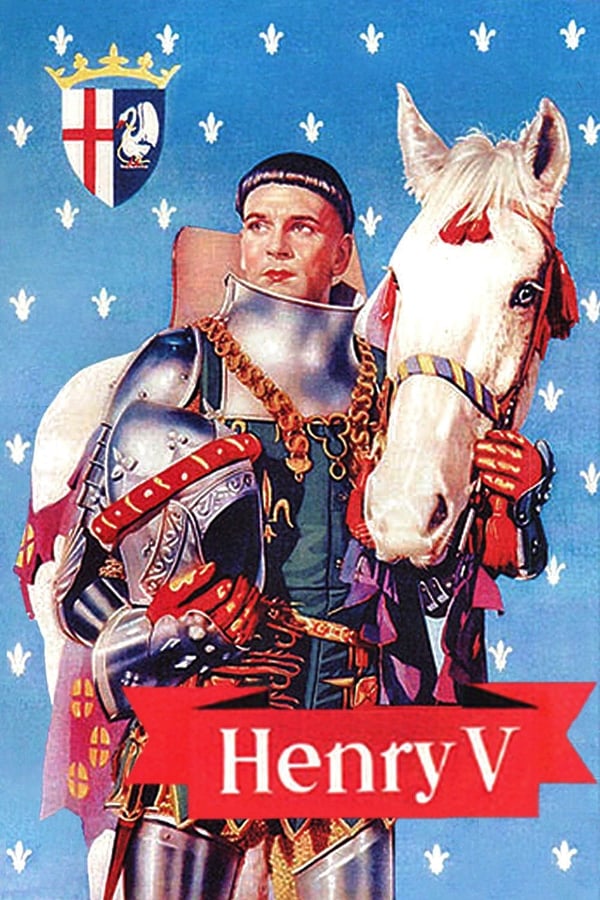
Next is a trio of films based on Shakespearean plays directed by Olivier as well. I’ve never been a big fan of Shakespeare. I think they are well written but I often have a hard time following the sometimes tedious and long-winded dialogue. In my opinion, they are better as movies than when read, especially when the movie is done well, with proper inflections and actions to act out the words. Henry V (1944) was the first. There’s a great scene early on that is a marvel for the time when this film was made. The film starts out at a theater in 1600 where a troupe is about to perform the play “Henry V” in front of a live audience. A few scenes are shown and we watch along with the crowd, hearing their laughs and cheers. As it goes though and we get enveloped into the flow of the play, the curtains rise and it is no longer a play we are watching, but King Henry V is now on the fields of France preparing to go to war. This transition is magic to see at a time long before computers could help. If you’ve ever been fully engaged in a film or book, you know what it is like when you feel like you become part of the story, and Olivier does a masterful job of actually pulling you in to his performance in this way. Really brilliant and it keeps you enthralled through the rest of the movie. The sets may lack the extreme attention to detail that today’s period pieces achieve, but it can never be so exciting as when the forces of England and France meet each other on the battlefield. Great acting to tell a great story.
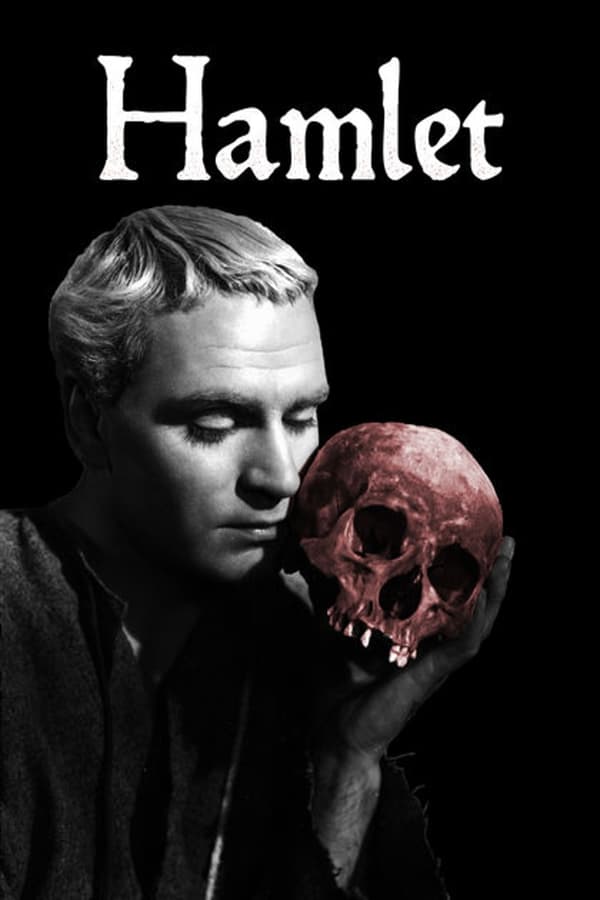
Olivier followed up with Hamlet in 1948. Hamlet’s father is recently dead, and his mother has married Hamlet’s uncle Claudius, the new king. However, the deceased father’s ghost visits Hamlet and tells him that he was murdered by Claudius, so Hamlet begins to map out his revenge. Hamlet plots his uncle’s downfall and finally gets his wish in the end, but also loses his own life in the final confrontation. Tons of Shakespeare dialogue, but again, an intriguing film and a fun one. And of course, several of those long-known quotable lines which many do not know the origin: “To be or not to be,” and “To thine own self be true.”
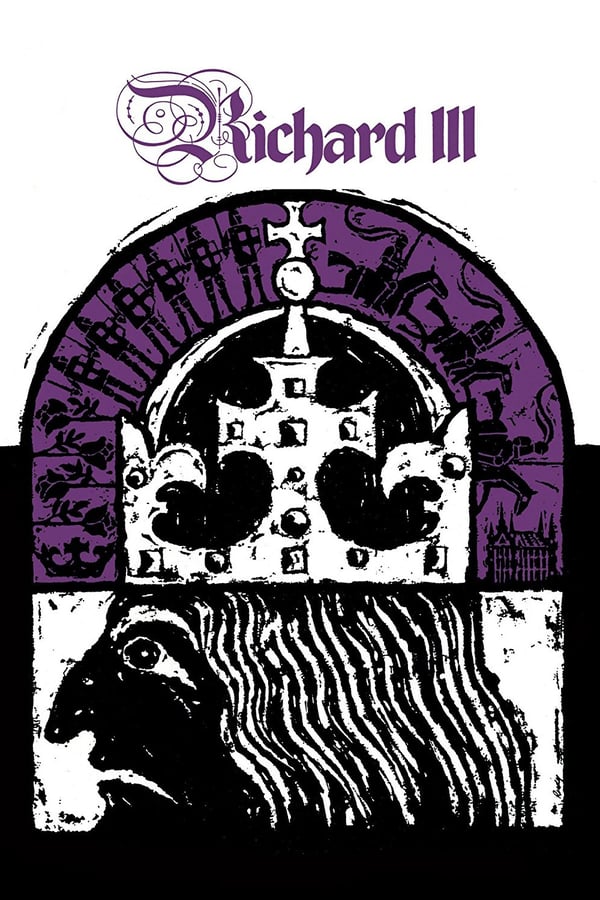
Olivier’s last Shakespearean film (as director, he would act in others later) is Richard III from 1955. Compared to the other two, here we see Olivier show off his range as an actor. Instead of bold, handsome, and strong, Richard is weak, deformed, and dastardly. Richard plots his way to the throne of England and narrates his plan to the audience along the way. He contrives to remove his brother and all others that stand before him in line of succession to the throne, through murder, deception, and execution. When he finally gets it though, he finds that all the feuds and rivalries he stoked along the way are now thrown against him, and he finds holding his place impossible. Now in color, the film beautifully shows off the costumes and scenes of medieval England, and Olivier is once again brilliant and eye-arresting. Maybe the most accessible of the films, it is also the most engaging from start to finish.
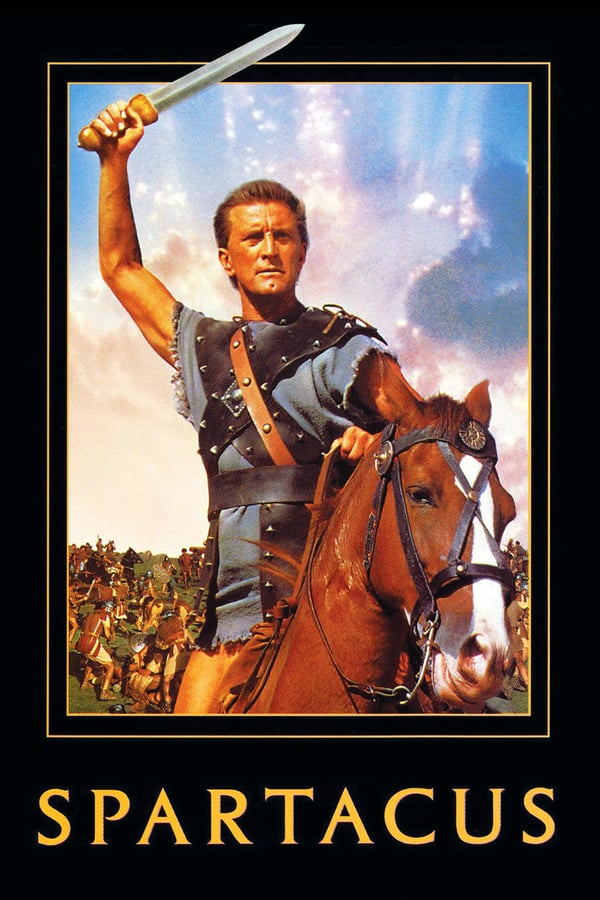
The last one is the biggest production, from 1960: Spartacus. The background of this film is very interesting. It stars (and was produced) by Kirk Douglas, who wanted to make a big epic of his own after being turned down for the role of Ben Hur. He brought on a young Stanley Kubrick (one of my all-time favorite directors) to direct, but still made a lot of the decisions himself. This has lead to it being one of the least “Kubrick-ish” films made, but still a good one. Spartacus is a slave who dreams of being free. He leads a revolt against the Roman Empire, and is opposed by the devilishly cunning Roman politician and warrior Crassus (Olivier). Spartacus gathers quite the ragtag army and has some surprising victories against troops who don’t take him seriously, but the revolt is quashed when Crassus finally brings all of Rome’s might down on them. Also starring Tony Curtis and the amazing Charles Laughton, Spartacus is one of the great epics of all time. Kubrick though famously disowned it, since it was the one film for which he did not have total control.

 Jons Movie Takes