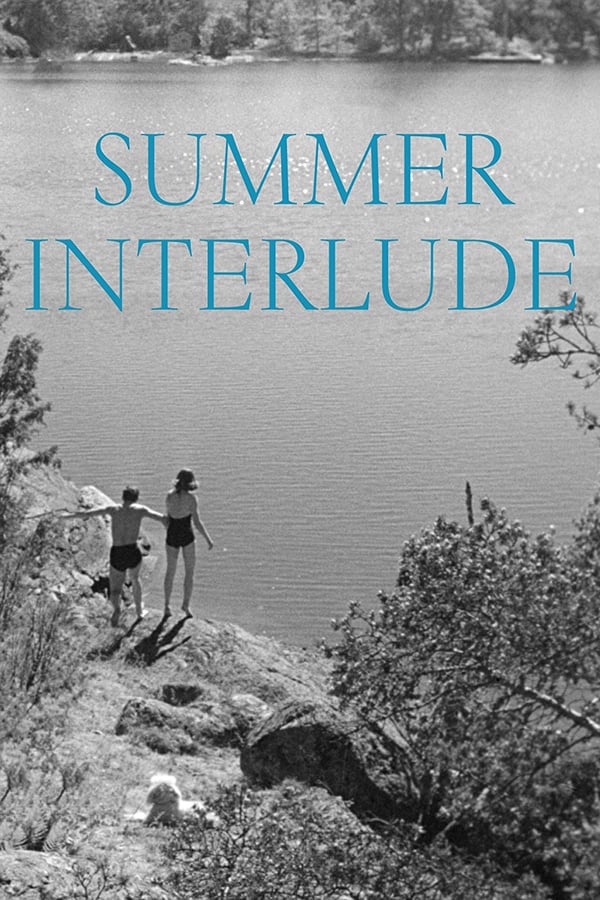
Here’s another group of films by the great Swedish director Ingmar Bergman, including some of his most famous. Summer Interlude came out in 1951, and he himself called it a turning point in his career. The movie starts by following Marie, a successful but aging ballet dancer who jokes that at 28, she might as well be 40 because of the short life span of her career. When a mysterious diary is dropped off at her work on the eve of a big (and possibly her last) performance, she takes a day to visit her childhood home and relive a summer of her youth. We learn that she once fell in love here as a teenager, and shared a beautiful summer with Henrik. Despite their very different backgrounds (Marie is from a wealthy family, Henrik from the opposite), they bond quickly. Tragedy strikes though when Henrik falls and dies days before their summer vacation was to end. Marie ends up living with her uncle who molests her, and she grows up to be a grave and unemotional adult. The film ends on a high note though, with a glimpse that perhaps Marie will be able to open up and allow herself to feel again. This was the first film in which Bergman focused on the female psyche as a focal point in the film, something for which he became famous for in later movies. A really beautiful movie.
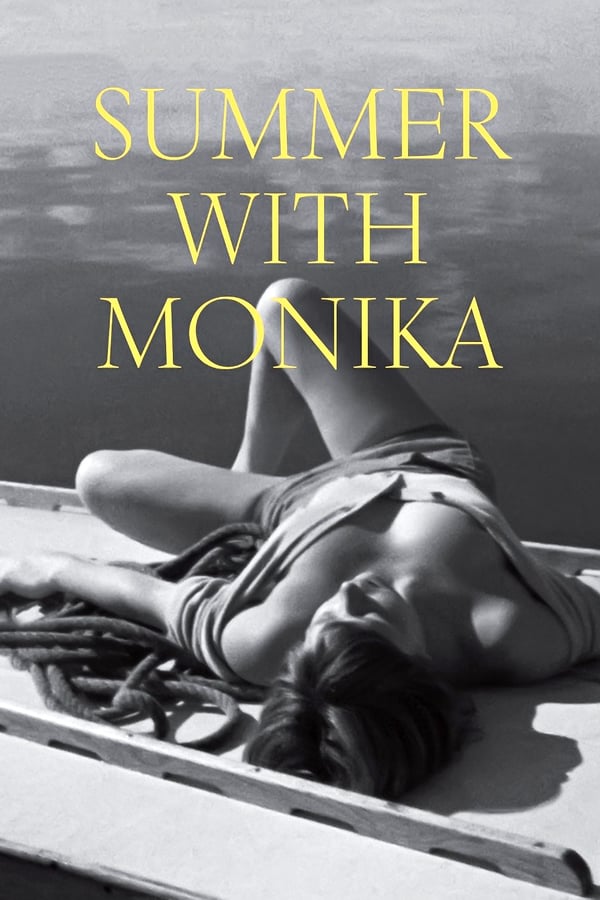
If Summer Interlude was the start of Bergman’s focus on female leads, that trend was set in stone with 1953’s Summer With Monika. Monika is a free-living, free-thinking young woman who never wants to settle down. She lures Harry away from his job and convinces him to run off with her. They steal Harry’s father’s boat and take it up the coast, finding a quiet little cove to spend the summer on. They seem to be love, but when the summer comes to a close (and they run out of food and discover that Monika has become pregnant), they are forced to return to the city. Harry wants do to what is right, and marries Monika, takes a job, and starts taking classes at night so he can make more money. Monika however still refuses to settle, ignoring their baby and starting to run around on him. When Harry finds her in bed with another, he beats her, and she leaves him. The film ends with Harry taking care of the baby on his own, and thinking about moments from his lone summer with Monika. Maybe not quite as good as Interlude, still a very strong film, and it was the first to star Harriet Andersson, long-time lead actress for Bergman (and his wife for a couple years, though she continued to star in his films long after their marriage ended). She is fantastic in this film, and it was the one that launched her into stardom.
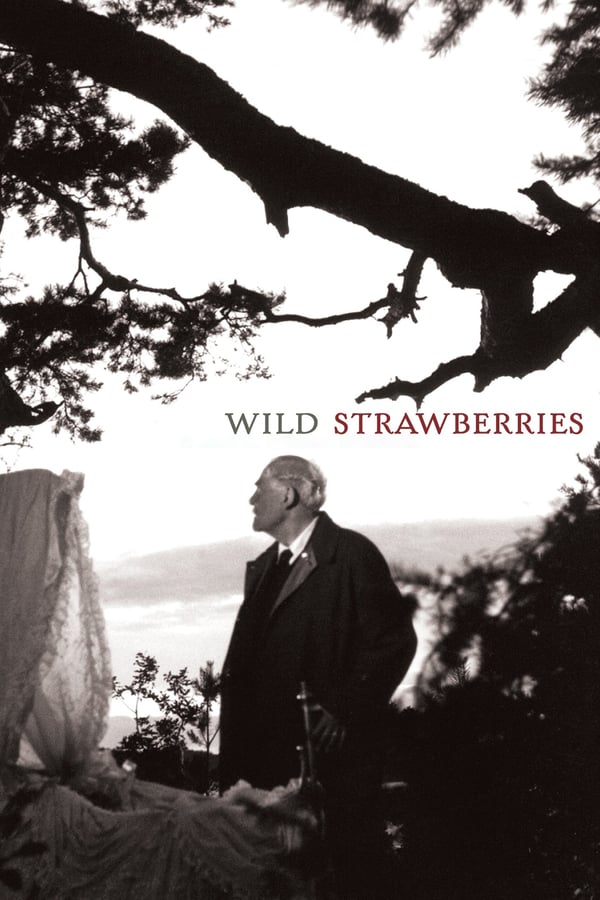
One of Bergman’s most famous movies is Wild Strawberries from 1957. It is about an older man on the day he is to receive an honorary degree from his hometown university. He is old and crotchety, lonely, and stern with his family and housekeeper. He is told by his daughter-in-law that she doesn’t like him because of these reasons. Nevertheless, she agrees to ride along with him on the car ride to where he is to receive the award. Along the way, the duo visit his family’s old summer house, and we see through flashbacks what has made him the way he is. And also, we see him soften his stance and open up to his daughter-in-law, as well as other travelers they meet along the way. A very touching film, if a bit esoteric at times in true Bergman fashion.
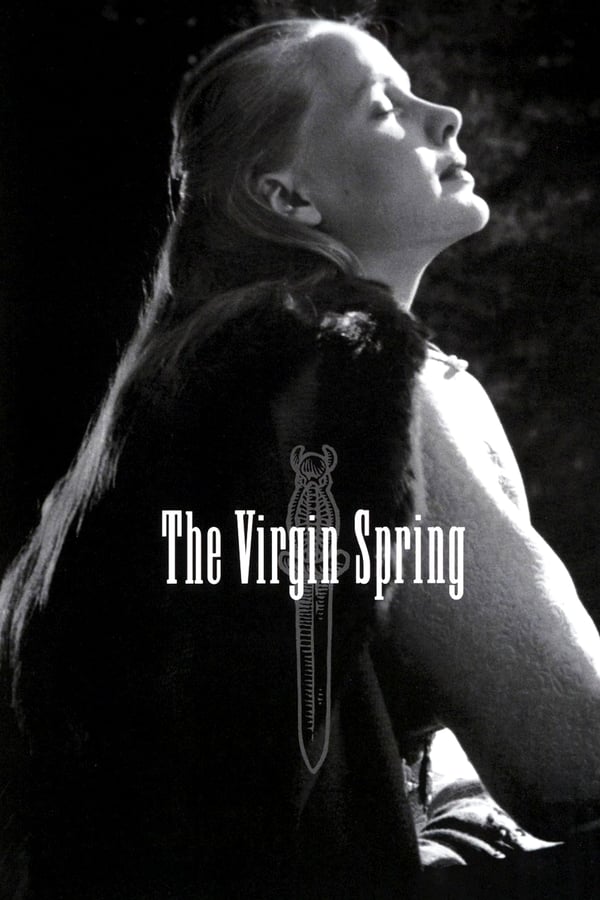
The Virgin Spring followed in 1960, also starring Max von Sydow as Tore, the head of a farming family in Sweden in medieval times. His beautiful, virgin daughter Karin (Birgitta Valberg) is sent to take candles to the local church, and is accompanied by their servant Ingeri (Gunnel Lindblom), who is pregnant and thus shamed as a single mother. Along the way, the two become separated, and Karin is lured to a clearing by a trio of shepherds, who proceed to take turns raping her before they kill her, with Ingeri arriving in time to watch it all. The scene is brutal for today, much less 1960, which is why the film was hit hard by censors at the time. The killers steal Karin’s clothes, and by sheer bad luck, end up at Tore’s home to sell them. Tore of course recognizes the clothes and kills all three of them, and has Ingeri lead them to the clearing to find Karin’s body. The film is a pretty transparent view at the battle between Paganism and Christianity. Pagan elements like water, fire, and mystical spells are offset by Christian views of atoning for sin, forgiveness, and the eternal conflict of good vs evil. The shamed Ingeri, who continues to pray to Odin instead of God, wants to see the beautiful Karen brought low, but when it happens, she is afraid and knows that this is wrong. After Tore gets his vengeance on his daughter’s killers, he vows to build a church to God to atone. Once again a fantastic Bergman classic.
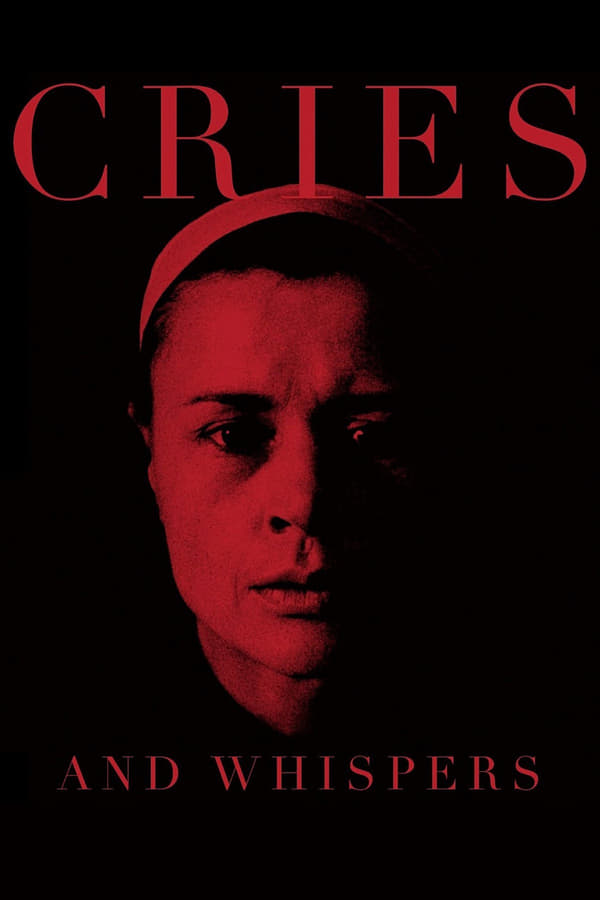
Coming much later in his career, Bergman released Cries and Whispers in 1972. It details a trio of wealthy adult sisters as one of them, Agnes, lays painfully dying from cancer. Her sisters Maria and Karin watch over, along with long-time household servant Anna. The movie is broken up in sections showing what makes each of the characters tick. Karin, the oldest, shuns attachments, which is shown by her avoidance of physical touch, even with her husband. Maria seems to love all, but it is just a facade, as she actually holds contempt for all but herself. Anna genuinely cares for Agnes and it is hinted that the two shared a love affair. When Agnes does finally die, she returns in a dream-like (or more correctly, nightmare-like) scene to the surviving family, reaching out individually to the three woman, but only Anna is able to provide comfort, with Agnes’s sisters shunning her. As soon as the funeral is over, the sisters drop their fake caring for Agnes, and agree to sell off the house and turn Anna out to take care of herself. Before leaving though, Anna finds Agnes’s diary, and reads of a moment when the four women shared a summer day together, and Agnes remarked it was the one moment of true happiness. A great melodrama with fantastic acting by some of Bergman’s favorite actresses of the time.

 Jons Movie Takes