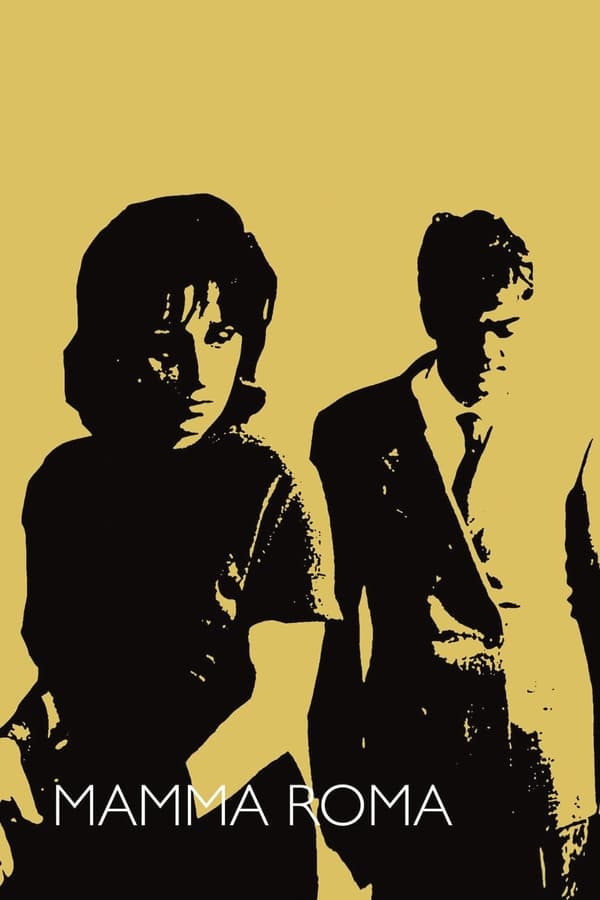
This round of films features one of the most controversial directors of all time, Italian Pier Paolo Pasolini. Pasolini’s works faced constant court battles in their day, but ultimately opened up censors for future films. First up is 1962’s Mamma Roma, probably the most straight-forward of the films I’m looking at today, though not without its own symbolism. Mamma Roma is an outspoken woman in a poor area in Italy, who reconnects with her 16 year old son Ettore. Ettore doesn’t know his mother is a former prostitute, he only knows she wants him to rise above their place and advance is position in society. She has opened a stand at the local market and wants to lead a respectable life. Roma hates Ettore’s friends, and doesn’t want him messing with the local hussy either. Things go south though when Roma’s former pimp shows up and threatens to expose her. Roma gets a prostitute to sleep with Ettore to get him to forget his little girlfriend Bruna, but it isn’t until Bruna outs his mother to him does Ettore drop her. He then rejects his mother’s wishes, and ends up in jail when he is caught stealing with his friends. An early look at Pasolini’s rejection of capitalism.
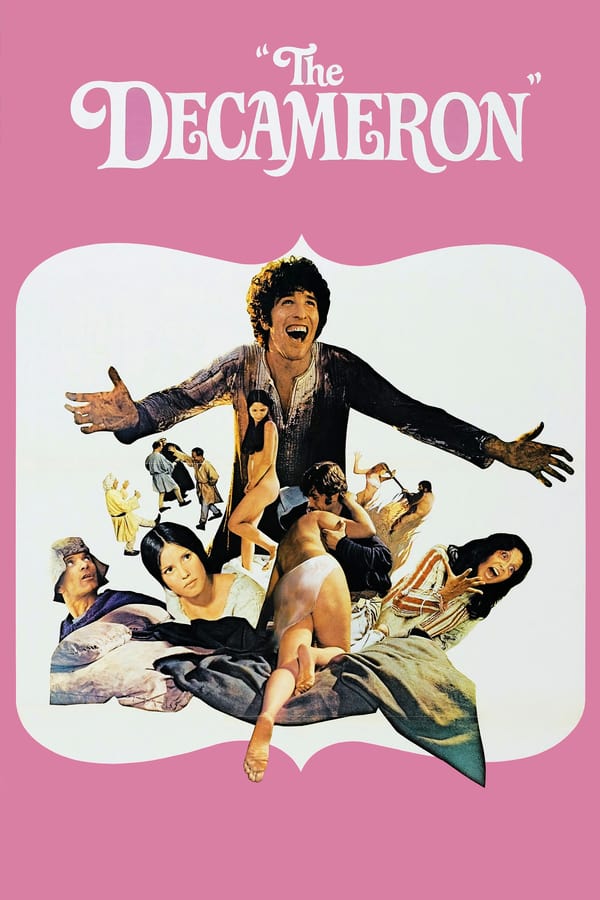
The Trilogy of Life is made up of 3 films celebrating humanity, or a pure idea of it (as thought by Pasolini) before it was corrupted by greed and religion, all based on old texts from the middle ages. The Decameron (1971) is based on the book of the same name by Giovanni Boccaccio. It takes a number of the stories and weaves them throughout the overall frame of a painter as he paints a fresco on a wall of a church, with Pasolini playing the role of the painter himself. Extremely sacrilegious and depicting graphic nudity and sex, it champions human nature as innocent and the human body as beautiful. Some stories are just a couple minutes long, some are longer, but they follow one another with no breaks in between. At the ending, Pasolini as the painter steps back from his finished masterpiece, and leaves us with the cryptic words, “Why produce a work of art when dreaming about it is so much sweeter?”
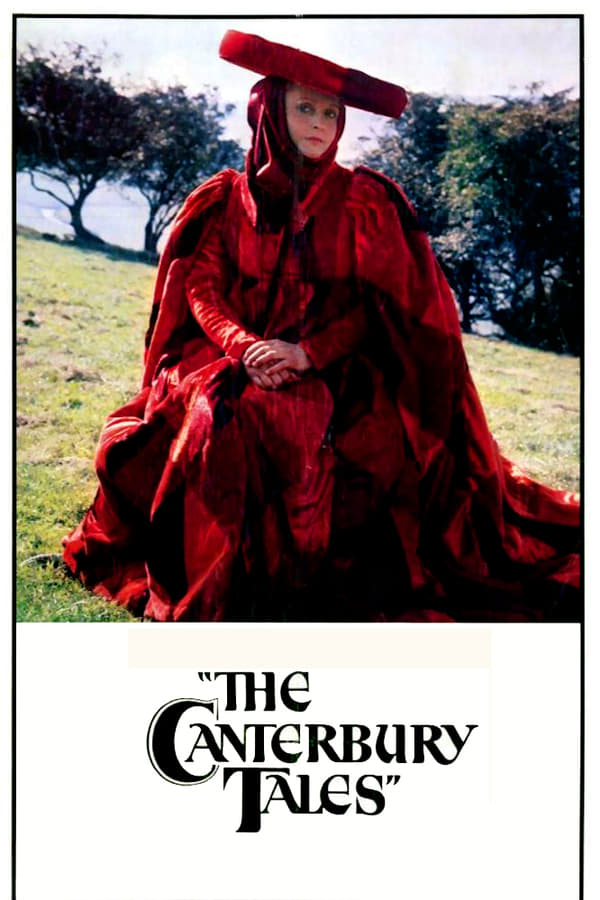
Pasolini moved from Italy to England to continue his trilogy with The Canterbury Tales in 1972, based on Geoffrey Chaucer’s work. Pasolini plays Chaucer himself, writing down his tales which get shown to us throughout the film. Pasolini’s views are readily apparent again. In one sketch where two men are caught separately in homosexual acts, only the poor one is sentenced to death, as the rich man can afford to pay the church’s bribe. This film has a little more flow, but still, the sketches are wholly separate stories. Like The Decameron, it is a celebration of life and humanity, with maybe even more humor than the first film. As Chaucer, Pasolini again ends with a thoughtful moment, penning, “Here ends the Canterbury Tales, told only for the pleasure of telling them. Amen.”
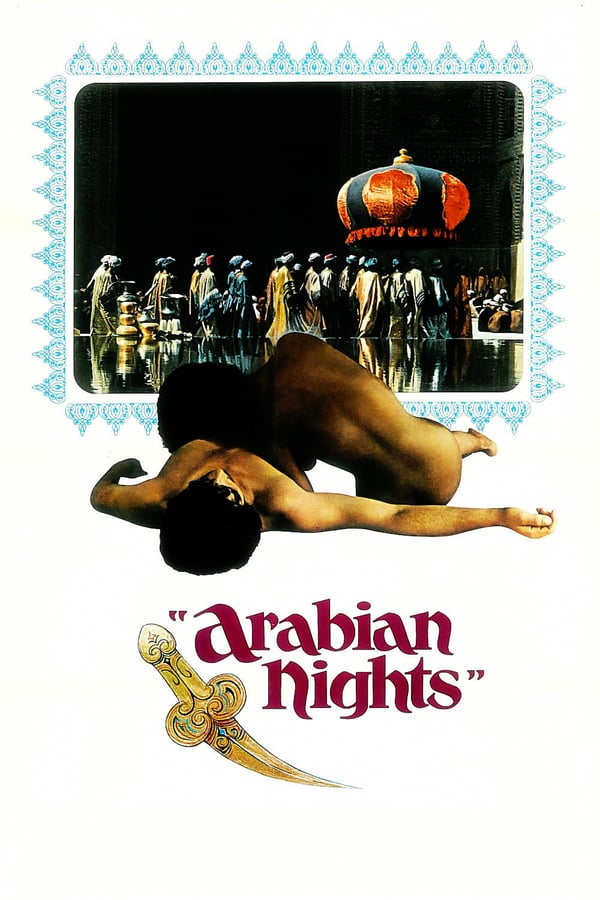
The final film in the trilogy is 1974’s Arabian Nights, based on the old Arabic story of The Book of One Thousand and One Nights. Filmed in Yemen and Nepal, this one has more of an over-arching story than the first two. Nur eh Din falls in love with his slave Zumurrud, and the film tells their adventures, with other stories interwoven throughout, sometimes involving them, sometimes in tales told as breaks in the main plot (and sometimes even stories within stories!). The best of the trilogy as far as I’m concerned, it is beautifully filmed and full of intriguing, enveloping tales that sweep you off to the middle east. The movie is at its best when the stories are being told, but in Pasolini fashion, there is still too much gratuitous nudity and sex thrown in. I don’t mind this when it is part of the story, but here it just seems to be in the movie to set off the censors. Having watched the trilogy now, I can say I like Pasolini for the stories he told, but it seems his rebellious nature couldn’t help but include material that didn’t necessarily advance his films, but more just to piss people off.
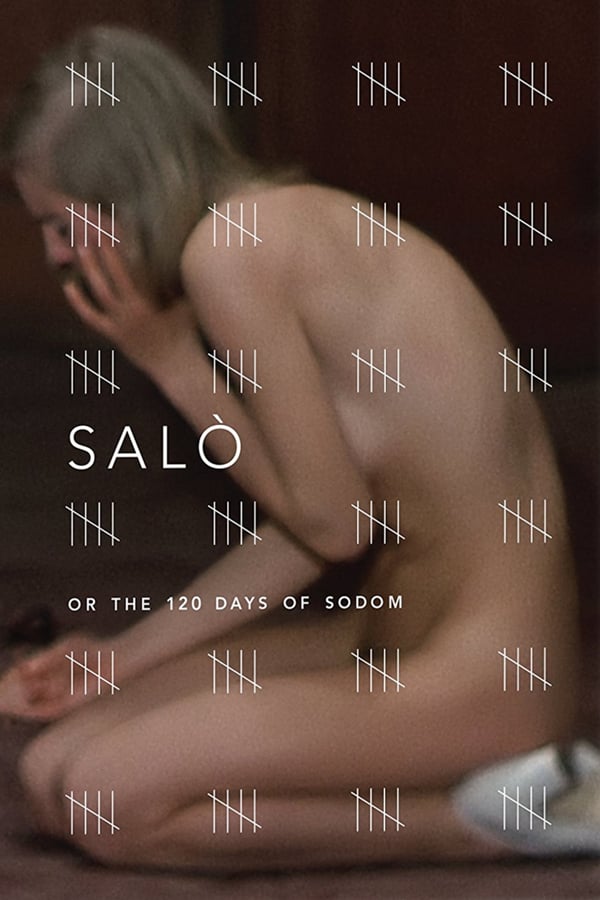
Pasolini’s last film, released in 1975 three weeks after his murder, is his most controversial. Salò, or the 120 Days of Sodom, is based on the Marquis de Sade’s infamous 18th century book. If the preceding films are the Trilogy of Life, this film is of death, or at least, the death of humanity as Pasolini saw it. This film is not for the faint of heart. It takes place in the final years of fascist Italy in 1944-45. A quartet of perverse men set up a house of debauchery, employing aging prostitutes to tell their stories, a group of young men to act as guards, and 18 kidnapped people (9 boys and 9 girls) to use as their victims. For the rest of the film, we see people beaten, raped, forced to eat excrement, treated as dogs, and, for those that didn’t follow the rules set down in the beginning, tortured and brutally killed in the end. Pasolini holds nothing back, all is gruesomely depicted in a detached, voyeur-like way. Obviously Pasolini is saying a lot through his lens, for those with a strong enough stomach to watch and interpret. I’m all for film as art, but this one is hard to watch. Even in today’s society where the envelope has been pushed much further than it was in 1975 (when this film faced years of censorship all across the world), there are still moments where I had to cover my eyes or look away.

 Jons Movie Takes
2 thoughts on “Quick takes on 5 Pasolini films”