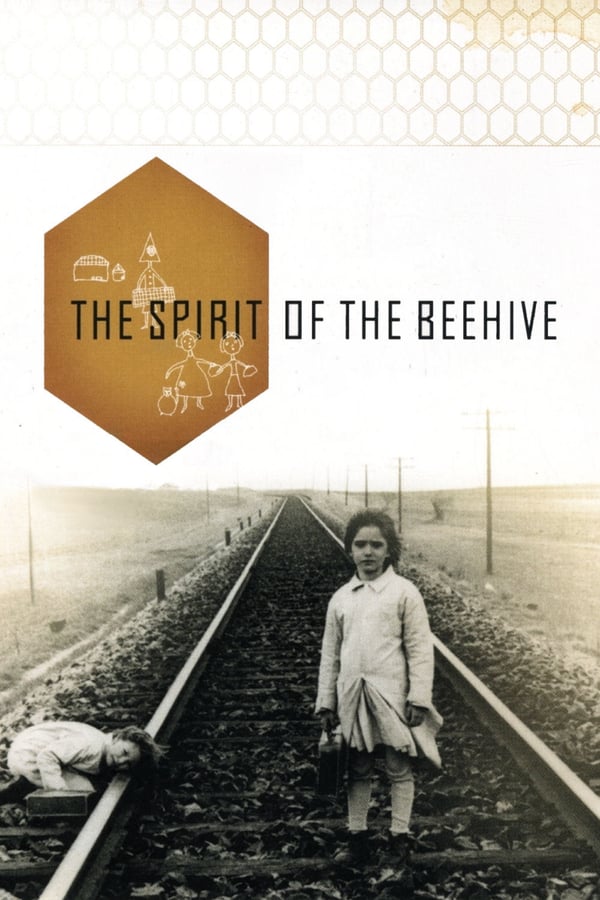
Today’s batch is a quintet of films brought to us from Spain and two of her greatest directors. First up may be the most renowned, Victor Erice’s Spirit of the Beehive from 1973, released during the fascist period of dictator Francisco Franco. As such, it is full of symbolism so as to get through the censors. It centers around young Ana, a girl who, with her older sister Isabel, watches the film Frankenstein. Curious Ana wonders about the creature and why he killed a girl in the film, and Isabel feeds Ana’s fears, and says she knows Frankenstein, that he is a spirit who lives in an abandoned shack outside of town. Since Ana’s parents are absorbed in their own lives (father Fernando is a beekeeper and obsesses over them, and mother Teresa longs for a secret lover in another city), Isabel is Ana’s only real attachment to reality, so Ana believes everything she tells her. Ana visits the shack regularly, until a wounded soldier is actually found hiding there (we assume he is a fighter against the fascist regime). A very rich film told with the magic and mysticism that only a child’s eyes can see, but one that probably needs multiple viewings to really get all the nuance. I like a movie that makes me think, but this one was a bit much for me the first time through.
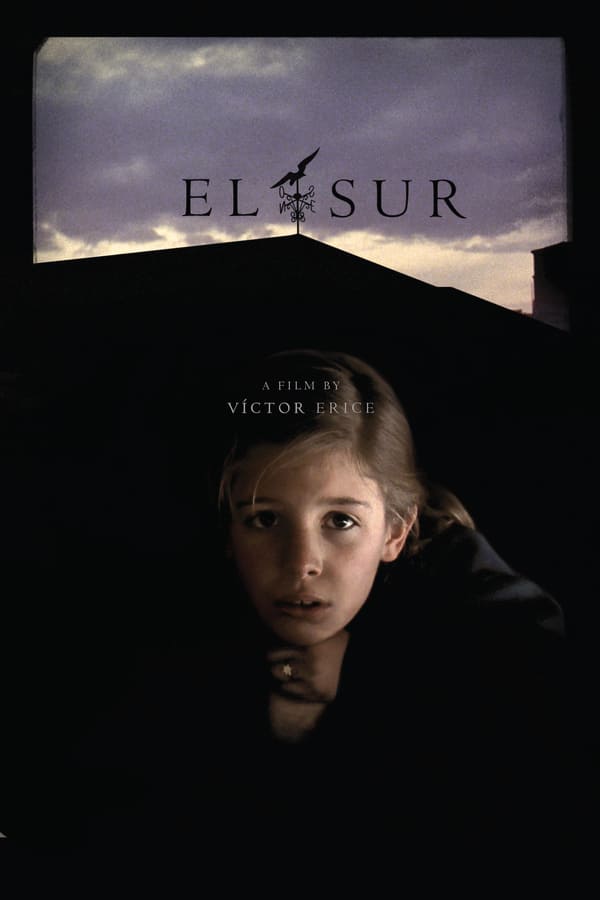
Ten years later, Erice followed up with El Sur (The South). Originally supposed to be a 3 hour film, the producer cut it short half way through, much to Erice’s chagrin. This one is also told through the eyes of a child. Estrella and her family (father Agustin and mother Julia) live in northern Spain during the early days of Franco’s regime, having fled the southern parts for different reasons. Estrella loves her father but he is preoccupied with a long lost love, a girl he left in the south. Agustin also left his family in the south, after a quarrel with his father, and the two never spoke again, though he still talks to his mother Casilda and Milagros, the nanny that raised him from a child. Estrella learns of her father’s emotional affair but keeps his secret to herself. Years later, now aged 15, Estrella confronts him about it. Whether from shame or just as a continuance of his selfish being, Agustin takes his life. Estrella then is sent south to live with her grandparents. Armed with a note her father left of a long distance call made the day before he died, she hopes to finally learn the past of the father she never understood. I knew this movie had been cut short, and while watching, I was hoping that it had been finished, because I was loving every minute of it and didn’t want it to stop. At the end though, when we see Estrella head off towards The South that we never end up seeing, I thought it was perfect as it sits. El Sur hangs over the family throughout the film, and learning its secrets may have killed some of the magic this movie produced. An amazing film, and I liked it more than Beehive, though it did not receive the acclaim of that first movie.
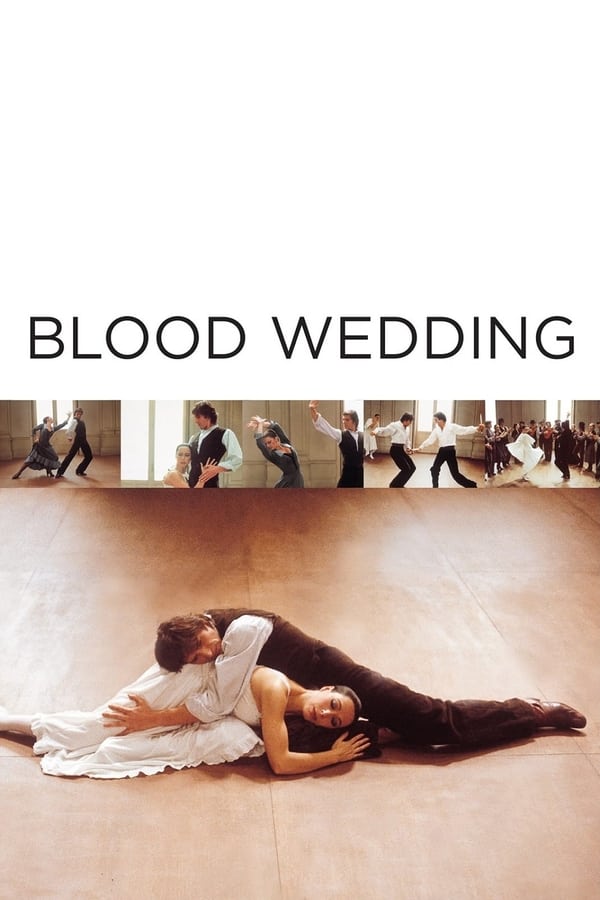
Next up is Carlos Saura’s “Flamenco Trilogy,” so named not for any thematic or story continuation, but because of the music tying them together. First was Bodas de Sangre (Blood Wedding) from 1981, starring real-life dancer and choreographer Antonio Gades. The film starts with a dance troupe arriving at a rehearsal space to do a final dress rehearsal before performing the famous Spanish play Blood Wedding, which has been adapted to a flamenco dance by the director. It starts with them getting dressed, doing their makeup and warming up, and you think that some interaction between the actors will be the basis for the movie, but instead, the rehearsal is the movie. If that sounds boring, it most definitely is not. I was unexpectedly moved by the beautifully choreographed dancing, accompanied by the sharp, staccato music. The final knife fight between a new husband and her wife’s lover is as suspenseful as anything you’ll see, even knowing it is just a “play within a play” so to speak. Brilliant.
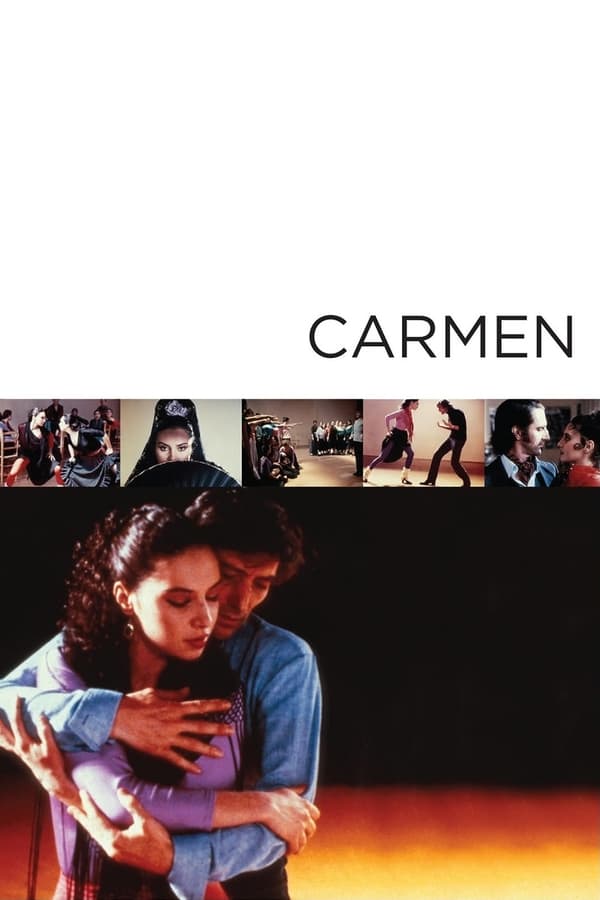
With many of the same actors, Saura followed this up with Carmen in 1983. Director Antonio is putting together a flamenco style performance of the famous opera. He has a talented troupe of dancers, but none meet his idea of what Carmen should look like. He finally finds her in a school, someone who has the look (and even the name!). Unfortunately Carmen is used to getting her way based on her looks, and doesn’t apply herself to learning the dance technique, much to the angst of the Antonio’s female lead partner Cristina, who didn’t get the role despite her ability as a dancer because Antonio thought her too old. Before long Carmen has Antonio wrapped around her finger, which becomes a problem when he learns she is married, and their personal lives more and more begin to reflect the play they are preparing. As a movie, it is just so-so, but the performances during their rehearsals are just as mesmerizing as those of the first film.
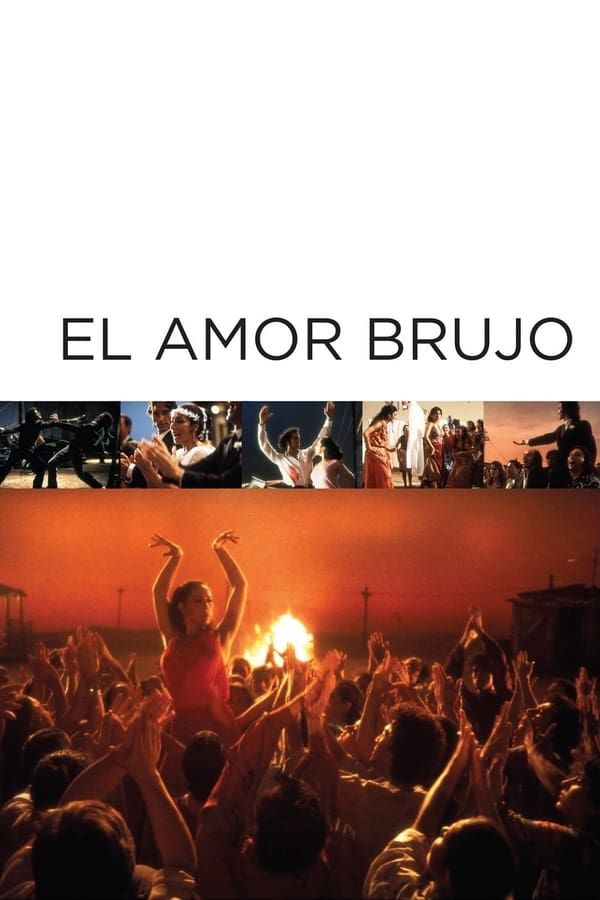
The core cast returned again in 1986 for El amur brujo (Love, the Magician). This one is the biggest production so far, with a much larger cast and bigger sets. This film is pretty much a straight forward musical, with singing and dancing numbers entwined with the story. In a poor, rural Spanish town, Carmelo loves Candela, but she has been promised since childhood to Jose. Jose dies in a fight though, and Carmelo is blamed and sent to prison. When he returns years later, he finds that Candela has never moved on, in fact, she returns to the place of Jose’s death every night and dances with his spirit. Carmelo decides to fight for her, but first she must overcome her dead husband. A strong film, and a fitting conclusion to Saura’s flamenco films.

 Jons Movie Takes
One thought on “Quick takes on 5 Spanish films”