Here’s a set from one of the most influential French New Wave directors, Jean-Luc Godard. The New Wave made some lasting changes to cinema, breaking from a period when “safe” movies where being produced (ones based on classic stories, or using traditional plot elements). Godard, like his New Wave contemporaries, focused more on current social issues, with movies about real people on location, and often with jarring narrative, sound, or visuals (or all three!).

First up is A Woman is a Woman (Une femme est une femme) from 1961, starring Godard’s wife at the time, and frequent muse in his early films, Anna Karina. Angela is an exotic dancer at the local club, but has dreams of having a traditional family with her lover Emile. She badly wants a baby, but Emile does not, so Angela teases that she will just sleep around with other men until she gets what she wants. Despite being impetuous and seeming to keep Emile on a string, Angela does seem to really care for him, and when she does go and actually sleeps with their mutual friend Alfred, she is wracked with guilt. Angela returns to Emile, confesses, and the two have sex, so they can then believe that he is the father. The movie is made as sort of a tribute to American musicals, placing quick, quirky music blasts in throughout to go along with Angela’s constantly changing moods. A great example of early Godard (his third film).
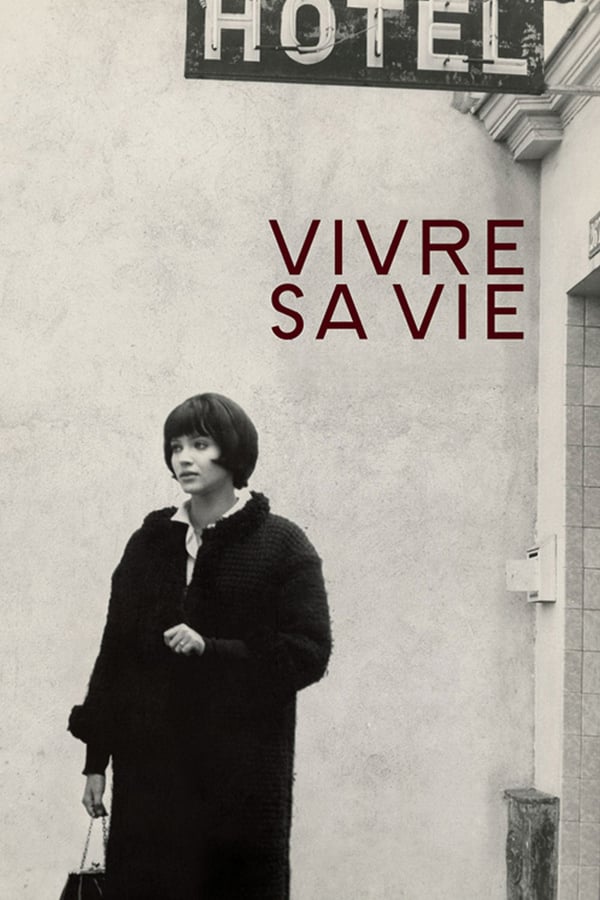
Godard’s next film was My Life to Live (Vivre sa vie) in 1962. Anna Karina plays as Nana, a woman who has goals but doesn’t know how to properly pursue them. The opening of the film shows her leaving her husband and baby behind to go follow her dream of being an actress. Without any money though, she very quickly falls into prostitution, and is under the control of a pimp before long. This leads to her downfall, as she is killed when her pimp tries to sell her to another and the deal goes south. The French New Wave is in full effect here. Nana’s life is split up into twelve sequences, with title cards telling the audience what is coming up in the next scene. The opening of the film is a full eight minutes of dialogue, with the camera seeing nothing more than the back of the talkers’ heads. Hard to connect with people when you can’t see their faces, but it is done here to great effect. Those moments are not yet Nana’s life. This movie isn’t as accessible as the first, but overall a stronger masterpiece.

Contempt (1963, Le Mépris) is a cautionary tale about how a single moment can alter a relationship. Paul and his wife Camille are deeply in love. Paul is a screenwriter and takes a job from an American producer (Jeremy Prokosch, played by Jack Palance). Jeremy wants to make a film based on The Odyssey, but wants an “American style” film. He is at odds with his director (renowned German director Fritz Lang, playing himself) who wants to make a more obtuse, art film. Paul likes Lang’s ideas, but allows himself to be bought by Jeremy. After their meeting, when Jeremy suggests they go back to his house, and offers to drive Camille in his two seater, Paul agrees. Camille is hurt, thinking she is being sold off as well, and her and Paul’s love is suddenly lost forever. An emotionally charged film, and relatable to anyone who has seen a relationship fall apart.
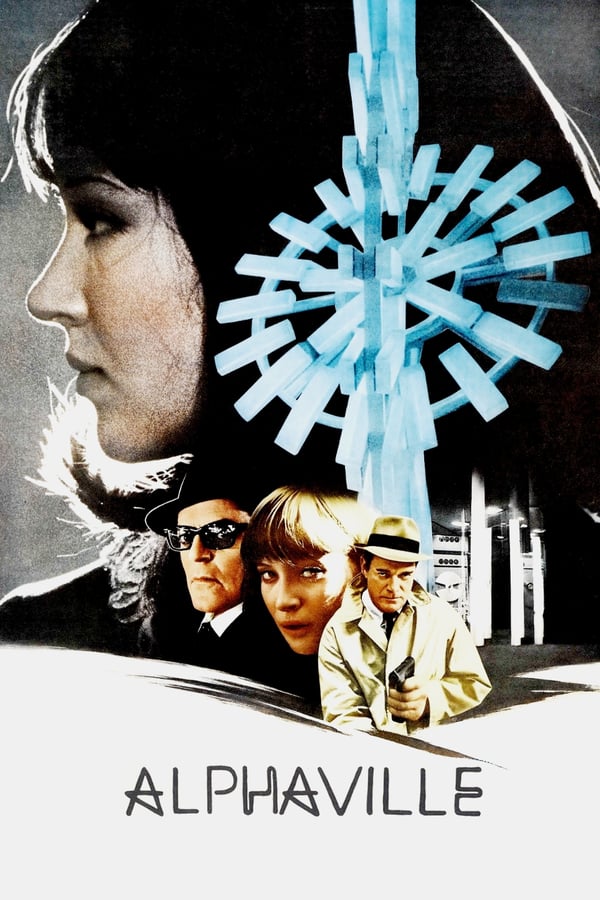
Godard combines science fiction and film noir in Alphaville, from 1965. Alphaville is a city in a near-future dystopia where a computer, Alpha 60, has taken command and has outlawed emotion, free thinking, and sense of self. Lemmy Caution is a spy sent in to find the engineer who built Alpha 60, and bring him back to “the Outlands,” or kill him if he refuses. Most of the film is spent exploring this society where all emotion, even weeping at your spouse’s funeral, is outlawed and punishable by death. The simple question “why?” is also forbidden. Sometimes illogical actions are in place, like nodding to mean “no” and shaking your head to mean “yes.” This last item isn’t explained in the beginning, leading to some confusion by the viewer, until you catch on that many things that are said in the film are actually meant to be the opposite. A great exploration by Godard and very different from his earlier films. My love of dystopian films meant this was to be one of my favorites of Godard’s so far.
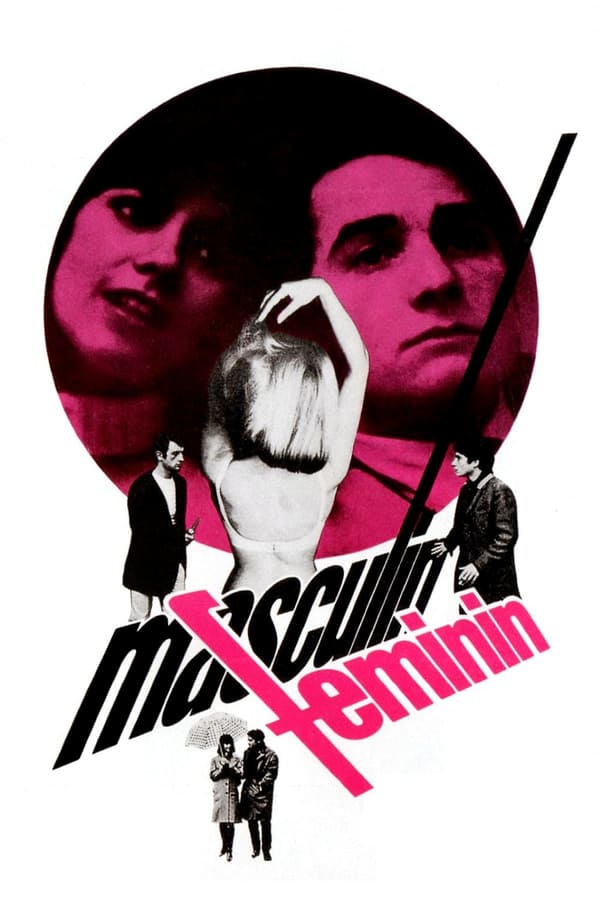
By the time Masculin féminin came out in 1966, Godard knew his craft and his direction, had it down to perfection. Filmed on the busy streets of Paris, it follows Paul and his conquest of women, led by blooming pop star Madeleine, who seems completely uninterested in Paul in any significant way, and just uses him for her own physical pleasure. By 1966 the French New Wave was no longer new, and the young 20-somethings on screen had grown up with this movement. We see a culture of young people who live in the moment, with all that it brings. Talking about James Dean and Bob Dylan, they idolize “being cool” and in doing so, ooze coolness themselves. Living for “right now” is all that matters. Masterfully written and executed, you can see the beginnings of a culture that continues to today, young people who don’t feel tied down to old traditions, who simply want to enjoy life and to live it to the fullest.

 Jons Movie Takes
2 thoughts on “Quick takes on 5 Godard films”