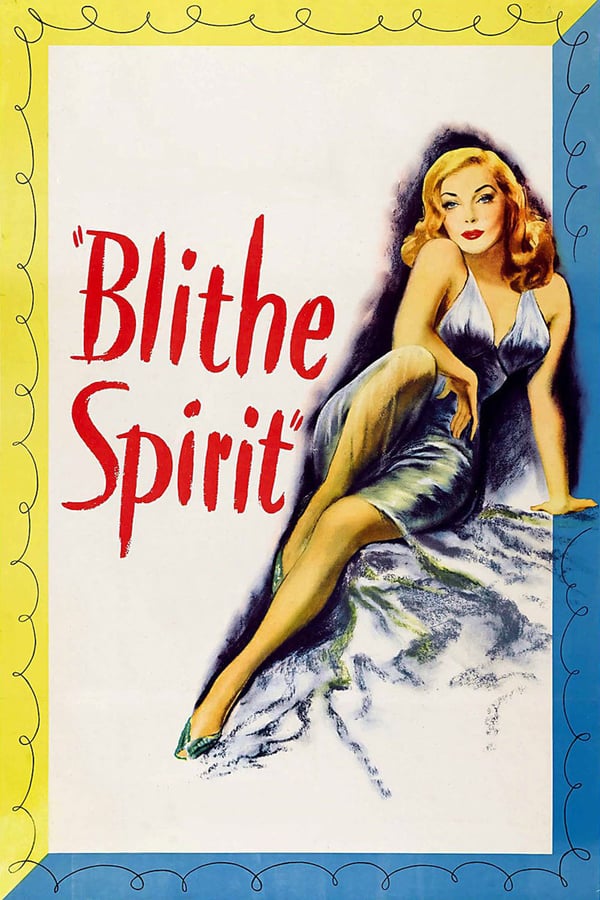
David Lean was all ready an established film editor, but 1945’s Blithe Spirit was just his third film as director, and also the third in his collaboration with the esteemed playwright Noel Coward as producer. Based on Coward’s play, this is a charming film about a séance gone wrong. Charles (the brilliant Rex Harrison) and his wife Ruth invite a medium, the eccentric Madame Arcati, to their house for an evening of entertainment, with Charles hoping for a farce that can be used for inspiration for his writing. When Charles’ first, long-dead wife Elvira shows up, and only he can see or hear her, it causes obvious ire with Ruth. A very funny film and one that holds up well, even if Coward did not care for the adaptation much at the time. Lean’s ability is on display. Blithe Spirit was made just before he did Brief Encounter, one of my personal favorites, and just a year before he went on a run of Best Director nominations for his Charles Dickens’ adaptations.
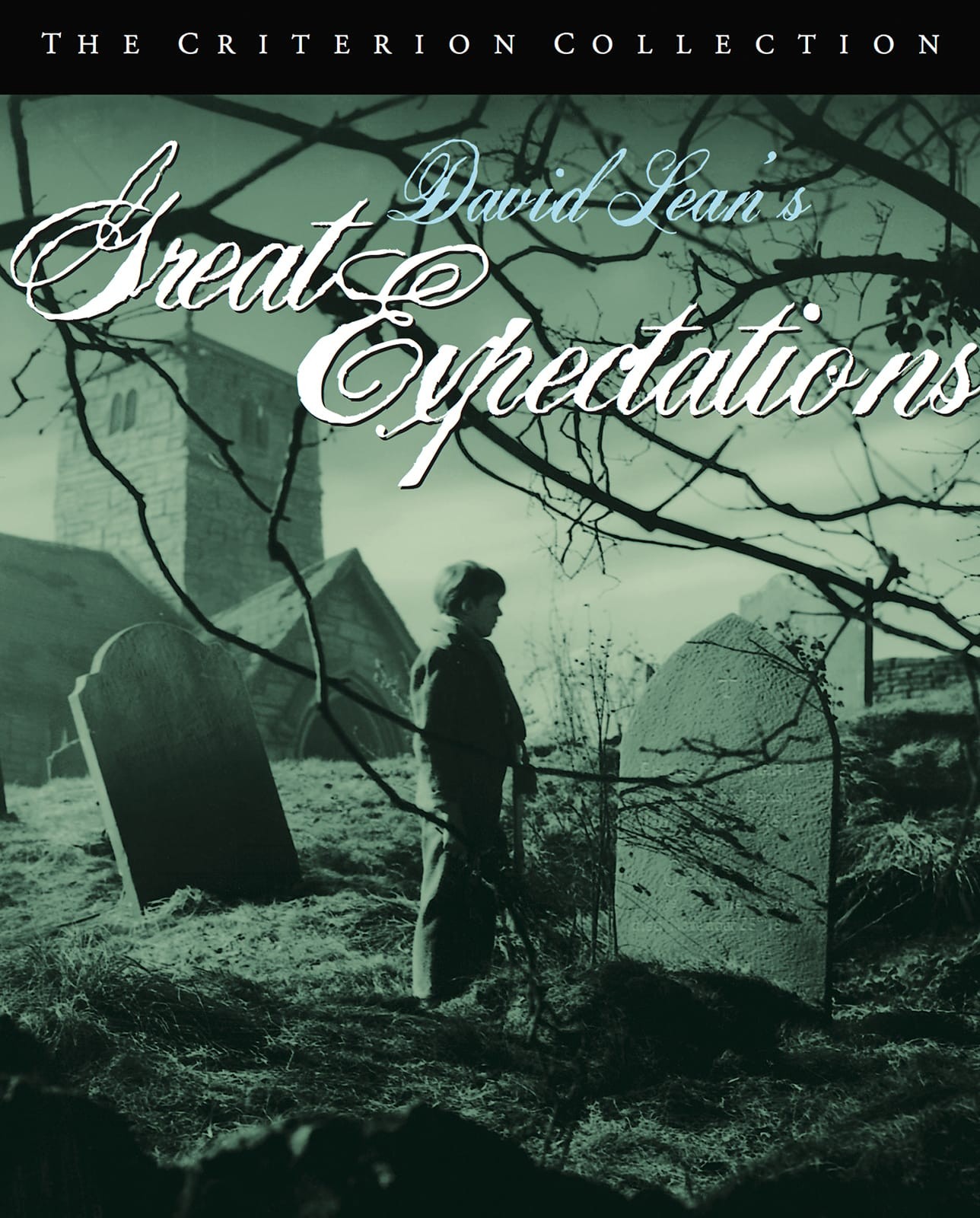
The first such adaptation was Great Expectations in 1946. Young Pip lives in a poor family, but is brought to a rich estate by the Lady Havisham to be a friend to the lady’s daughter Estella. He is there for only a short time before he must return to his uncle to learn the family trade and become a blacksmith. A few years later though, he is approached with an offer to go to London to become a gentlemen. The rich benefactor is unknown, as is the reason. But Pip leaps at the opportunity to better his position in life. He reunites with Estella and falls in love with her, though she initially keeps him at arm’s length, and hints at more sinister motives when it comes to relationships. A very well done film, with strong acting by John Mills and Valerie Hobson in the leads, and also a young, 32 year old Alec Guinness in his first major film role. The movie won a few Oscars, and was also nominated for best picture and best director for Lean.
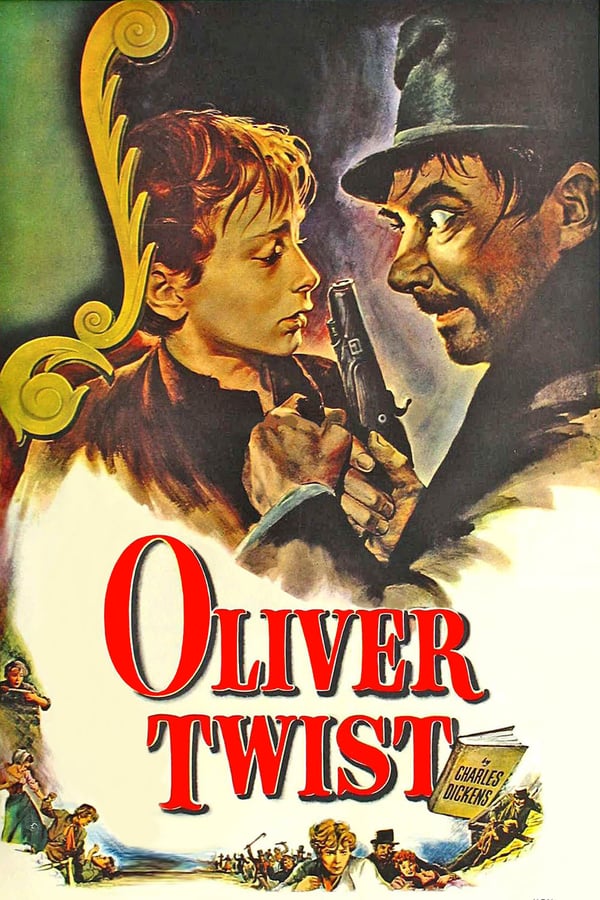
Oliver Twist followed two years later in 1948. I was familiar with the story but had never read the book, and found the film very enjoyable after a somewhat tedious beginning. An unnamed young, pregnant woman arrives to a church and orphanage, just in time to give birth before dying. The boy is harshly raised in the orphanage as Oliver Twist. Years later, Oliver runs away and falls in with a gang of homeless boys, directed to thieving by a despicable man, Fagin, played by Alec Guinness. Despite what you may think, the movie is less about Oliver than the secret his birth carries. His mother died with a locket around her neck which identified her and thus Oliver, but there seems to a big conspiracy to keep that fact hidden. The intrigue builds until the big reveal. If you can wait through the slow beginning, it does pick up and the denouement is wonderful.
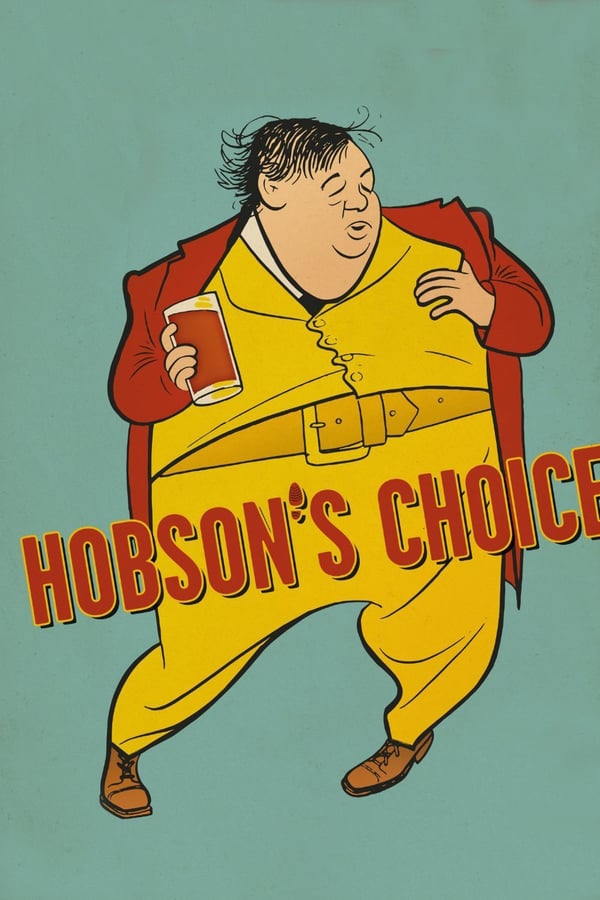
The title of 1954’s Hobson’s Choice gives away a lot if you know the meaning of the old English phrase, basically meaning “take it or leave it.” Hobson owns a successful shoe store, but not because of anything he does. He spends his nights drinking and his days sleeping it off, while his trio of daughters run the shop, head by the eldest Maggie. They also employ the best shoemaker in the city, Willie, who, despite his talents, is content to earn a minimum wage working in the basement all day. Maggie decides she has had enough working for free for her unrelenting father and hatches a plot to trap Willie to marrying her, and then getting him to leave Hobson and start his own business. The two younger sisters quickly marry as well, and Hobson’s shop begins to fall apart, and his alcoholism grows worse. It does find a happy ending in the end though. This is much funnier film than I expected, and thoroughly enjoyable. Based on a play (this is actually the third film version made), the cast is made up of supremely talented actors from stage and screen, including Charles Laughton, Brenda de Banzie, and John Mills.
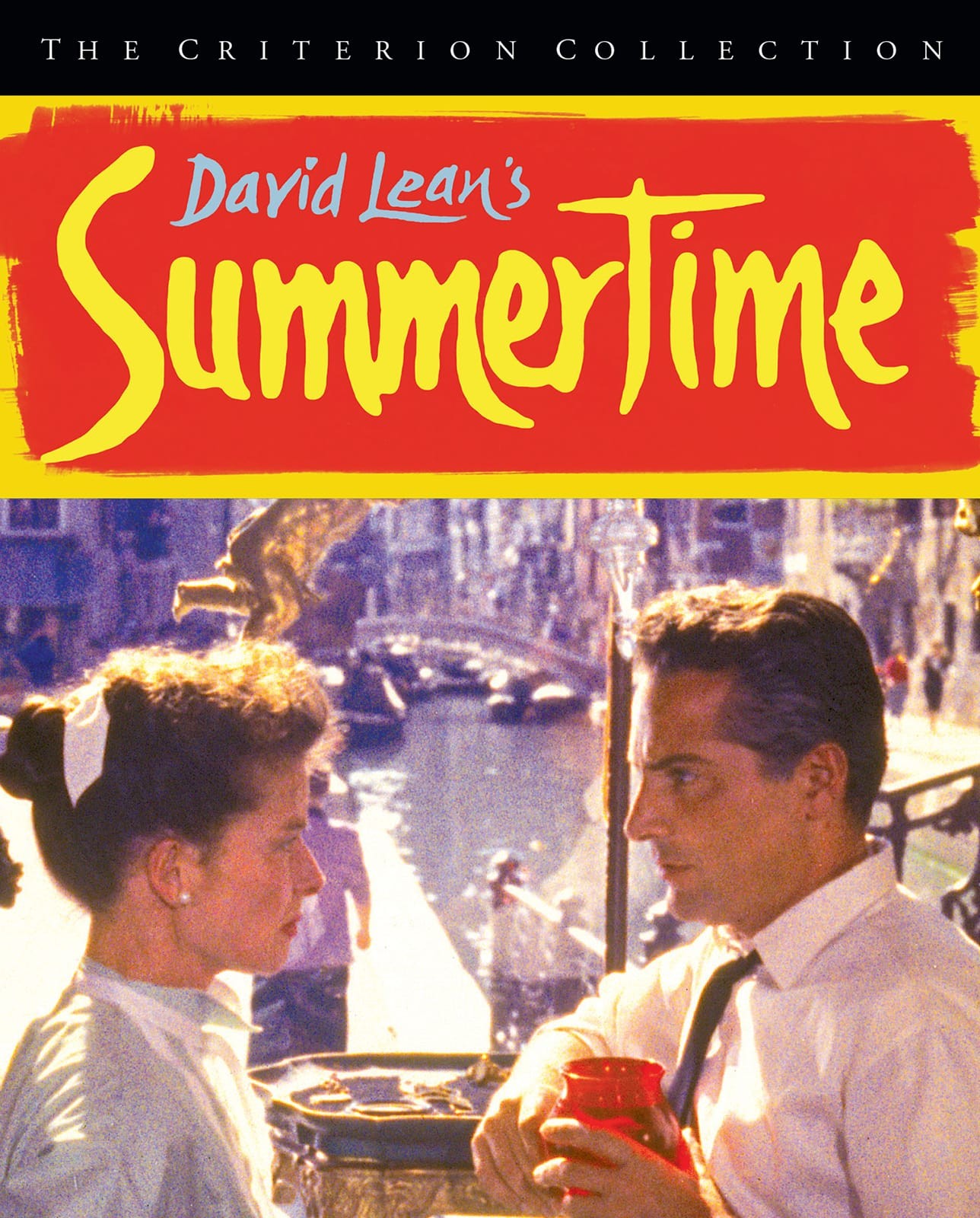
In 1955, David Lean finally went to Hollywood for financing to make Summertime, with all his previous films being made in Britain. Shot on location in Venice and starring Katharine Hepburn, it is about an American teacher, Jane, who has saved her whole life for the vacation of her dreams. She is wowed by the city around her, but becomes lonely when she sees all the couples enjoying the sites together. Jane soon meets Renato, a local shop owner, to whom she is at first apprehensive, but later attracted to. She doesn’t know if she can trust him, and we as viewers share that trepidation in the beginning, but it becomes a wonderful love story by the end. Hepburn is arresting in her typical strong-willed role. By now, Lean has honed his craft and knows how to build a film. He had already made a name for himself, though his most well-known works, such as The Bridge on the River Kwai, Lawrence of Arabia, and Doctor Zhivago, were still a decade off.

 Jons Movie Takes
One thought on “Quick takes on 5 David Lean films”