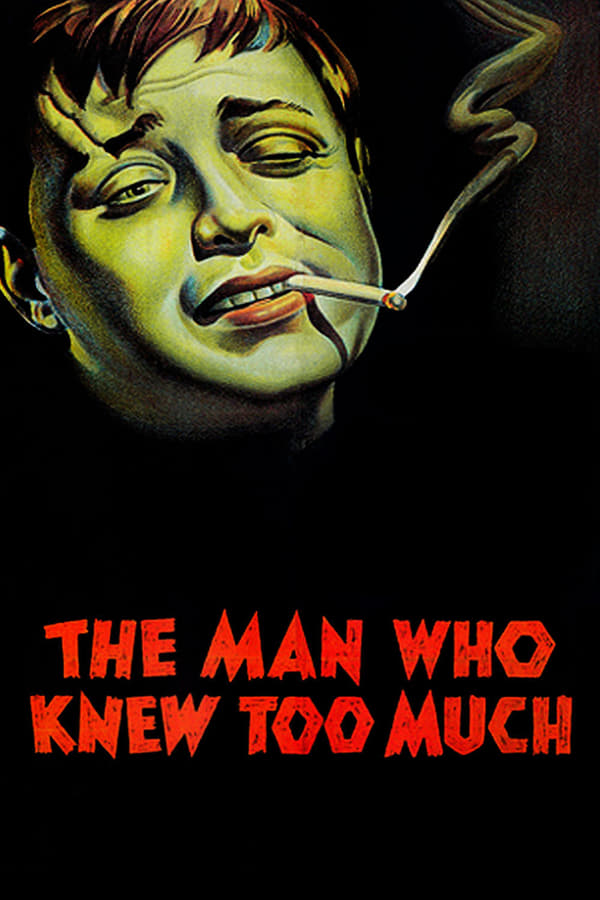
Alfred Hitchcock made two films under the title The Man Who Knew Too Much. While the second is probably more popular, the first, from 1934, is just as compelling. It has a similar scenario (a family gets caught up in an assassination plot), but the 2 movies are very different. This one starts with the Lawrence family vacationing in Switzerland. The wife Jill is harmlessly flirting with a different man when he is killed, and with his dying words, tells her of a secret note hidden in his hotel room. The husband Bob retrieves it, but not before a gang of villains abducts their daughter to hold hostage. Only later do the couple realize it is all involving a plot to kill a dignitary. The head of the evildoers is Abbott, played masterfully by Peter Lorre in his first English speaking role. What is funny is Lorre didn’t actually speak English at the time of filming. Recently having fled Nazi Germany and coming off the hugely successful M, he learned all of his lines phonetically, first learning their meaning in German so he could appropriately act the scenes out. You’d never know it based on watching the film, a true testament to Lorre’s acting ability and dedication. A very fun, earlier Hitchcock thriller.
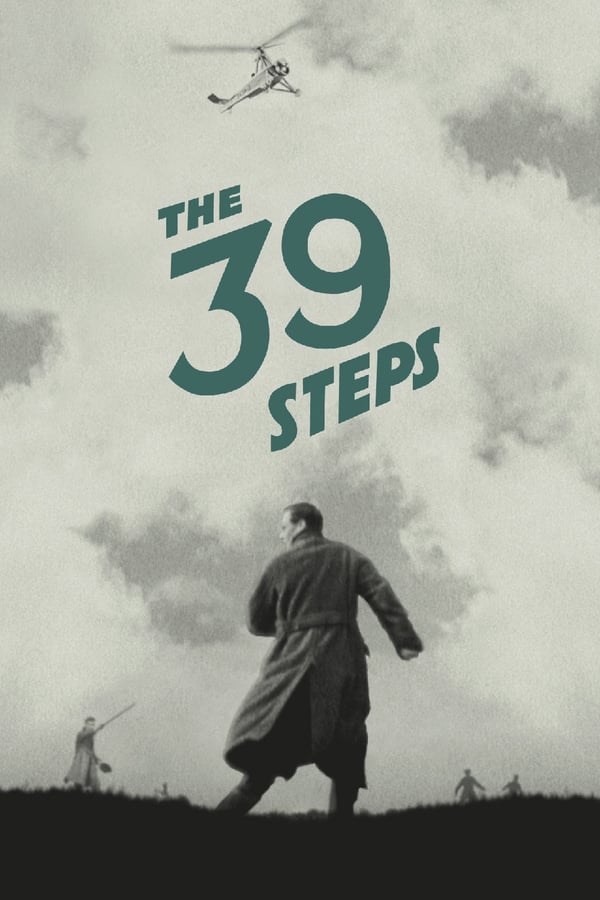
Hitchcock made The 39 Steps the next year in 1935, and it is one of the best of his films I’ve seen yet. Richard Hannay is a regular guy who crosses paths with the mysterious and suspicious Anabella Smith. She only has time to give him a cryptic warning about a dastardly plot in Scotland before she is killed, and the police think Hannay did it. He sets off for Scotland with the police giving chase. His adventures here on out are pure cinematic magic. This film has it all: suspense, humor, romance, and an involved, captivating plot. Highly recommended.
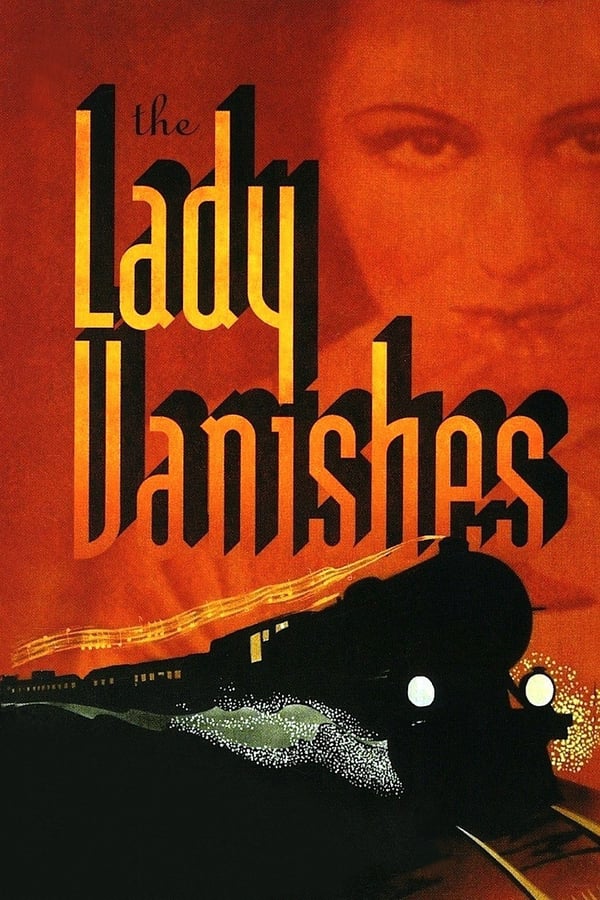
The Lady Vanishes, from 1938, is the last film Hitchcock made in Britain before moving to Hollywood, and it feels very different from most of his other films. It actually starts almost as a comedy, with zany music to boot. The first third of the film takes place at a hotel in a quiet corner of Europe, and introduces the characters through their antics. We don’t realize until they head to the train that the real main figures are Iris, a woman heading home to be married, and Gilbert, a traveling musician. On the train, Iris befriends an older woman named Froy, but after a short nap, Iris awakes to find Froy is gone. Not only that, but the accompanying passengers and train workers say she was never there in the first place. Iris begins to think she is losing her mind, and the viewer is left wondering who is telling the truth. While it becomes a much darker and more sinister film, it still keeps a lightness and humor for much of it. I’m really finding these early Hitchcock films extremely entertaining!
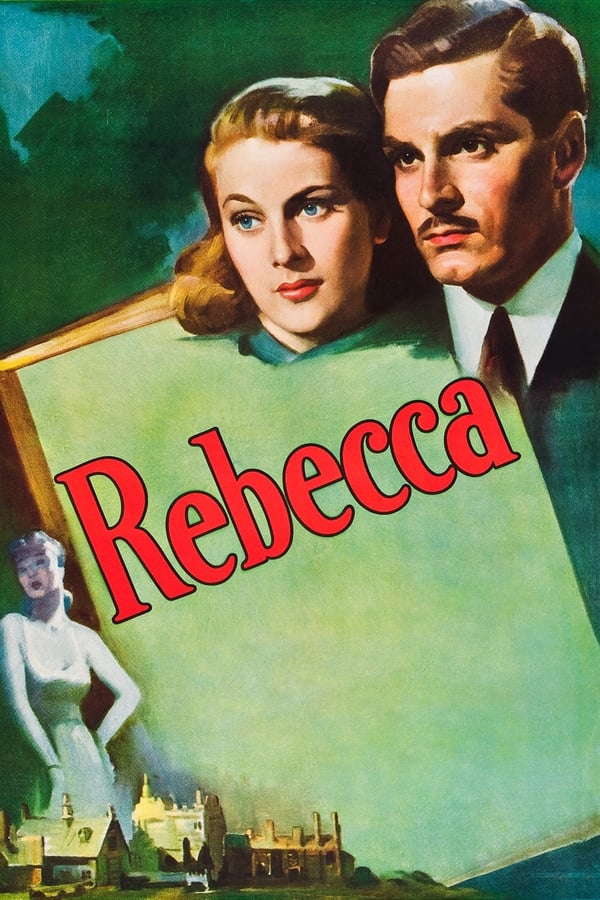
David Selznick is most famous for producing Gone With the Wind in 1939, for which he won an Oscar for best picture, but he actually won the category in back-to-back years, and the answer to the trivia question about the second film is Rebecca, Hitchcock’s first American picture. I’ve been looking forward to this movie for a couple years, ever since reading the book. Laurence Oliver and Joan Fontaine (Olivier’s fiancee at the time, Vivian Leigh, was not cast because she seemed too strong-willed for the role) are fantastic as Max deWinter and Mrs de Winter. The movie is pretty faithful to the book, with subtle changes to appease Hollywood Code at the time, so read my recap for the plot if you like. It lacks some of the typical Hitchcock comedic banter, but that is probably best considering the source material. Max’s first wife, the late Rebecca De Winter, has a larger than life persona that envelops everyone, and as in the book, the new Mrs de Winter isn’t even given a name, she’s just “the new Mrs de Winter.” The film is a great psychological thriller in Hitchcock’s vein, and the tone is set from the very opening sequence, with ghostly shadows playing over the infamous Manderley country house. Even simple events like a lady taking a drag from a cigarette seem sinister. The movie lived up to my expectations.
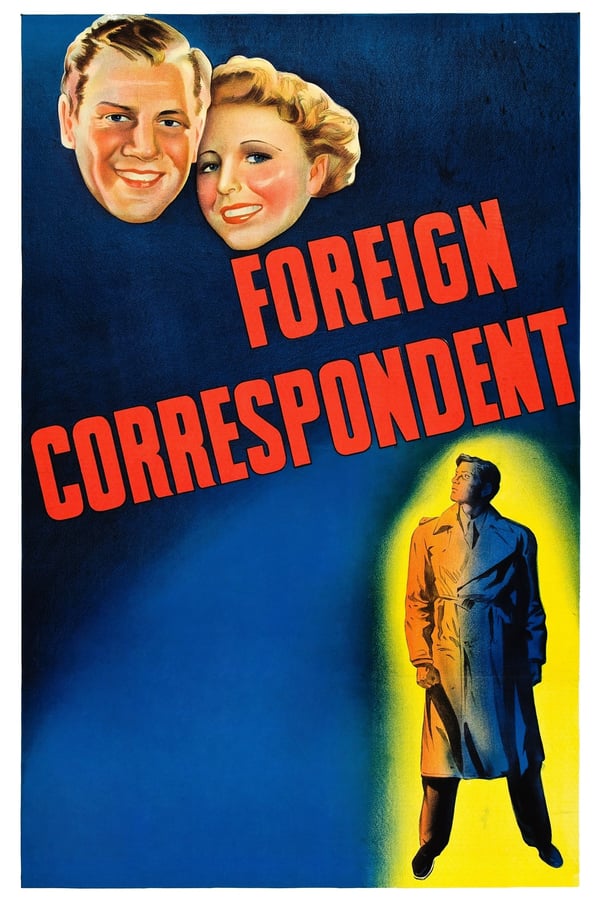
With all of Selznick’s “interference” on Rebecca to keep it true to the book, Foreign Correspondent is more like a true Hitchcock film. Released in the same year (and also nominated for Best Picture, which it lost to Rebecca), it has everything you’d expect from the director: fast comedic dialogue, a romantic interest, and a slow-burning plot that doesn’t come to fruition until the very end. It is a spy thriller that takes place in England, on the cusp of World War II. American journalist John Jones is sent to England to get a good story. There, he falls into a deep espionage plot, one which he doesn’t understand for much of the movie. Kidnappings and murders seem to follow him around. There’s a little bit of American propaganda thrown in the end in, but that can be overlooked considering its 1940 release. This film is probably often overlooked today, but it is a solid movie.

 Jons Movie Takes