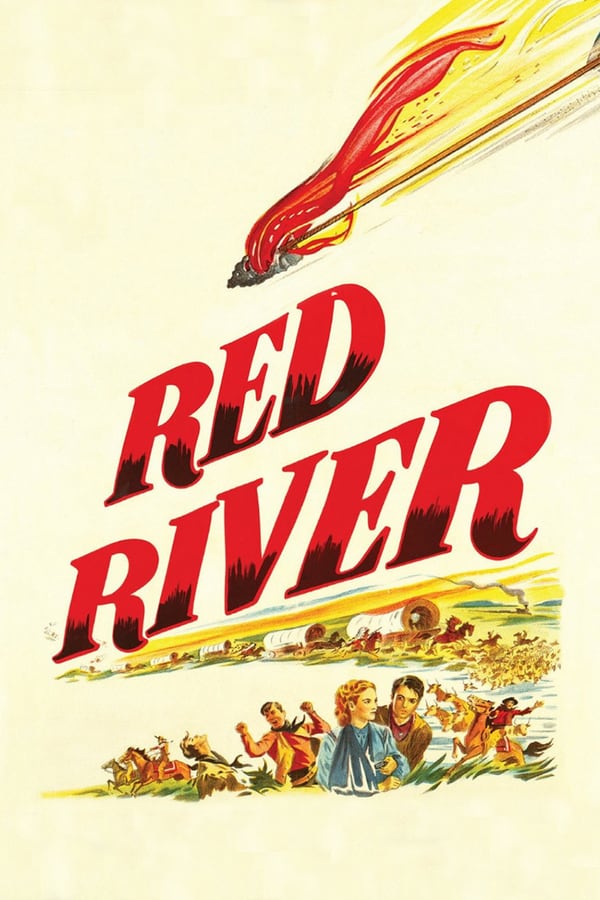
I’ve got some all-time great classics up today, starting with a 1948 western, Red River. The film stars John Wayne as Thomas Dunson, a man who builds a large cattle ranch near the Mexico border in Texas. At first he is aided only by a sidekick, Groot (Walter Brennan) and a young survivor of an Indian attack on a wagon train, Matt (Montgomery Clift), but over 14 years he turns it into a large ranch. Unfortunately there is no where in Texas to sell his beef, so they make the perilous trek to Missouri, where they can find a railroad and sell their stock for good money. Along the way, stampedes, illness, and infighting break up the spirit of the group. Matt, now a man, wants to take the shorter trip to Abilene, because rumors of a new train out of there would save the group from finishing the longer, more dangerous journey, but Thomas is stubborn, and bullies and threatens his way to keep Missouri as their goal. One of the great westerns of all time, Red River shows the wide open skies and rough and tumble life of the frontier, with some serious acting chops too. John Wayne gets to play the despicable villain, something you rarely (ever?) see.
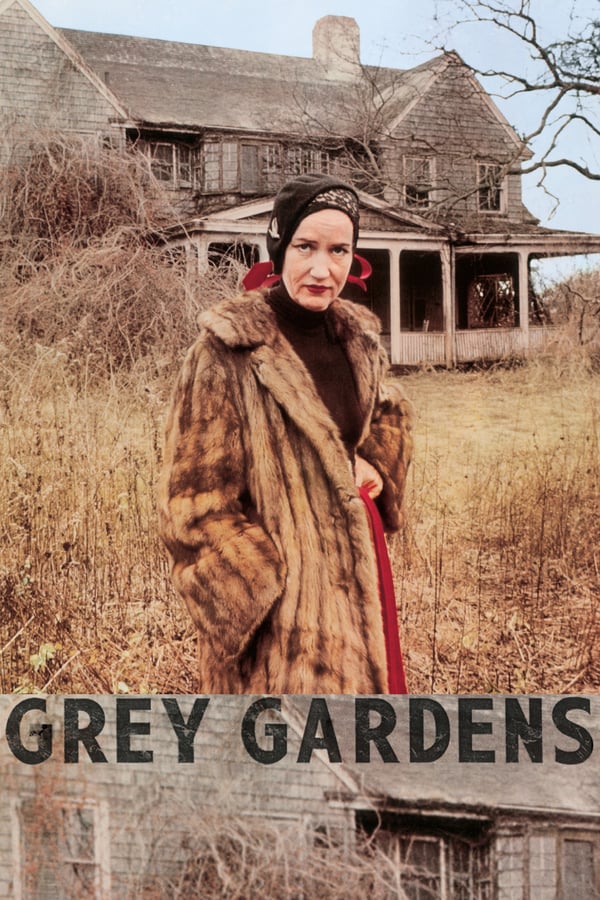
I don’t cover many documentaries but Grey Gardens is one of the all-time greats. From 1975, it is about the lives of “Big Edie” Edith Beale and her daughter, “Little Edie” Edith, aunt and first cousin, respectively, to Jacqueline Kennedy Onassis. After tabloid and newspaper stories brought the Beale story to national attention, filmmakers Albert and David Maysles came in to cover them. The Beales were living in a large Hampton mansion which had been allowed to deteriorate to squalor. They were hoarders long before the term became common. Unlike a lot of documentaries, the Maysles don’t ask a lot of questions, they let the Beales do all the talking, and we learn about them from their dialogue and interactions to each other and to the cameraperson. There was obviously a lot of codependency here. There are several powerful scenes where we can get a glimpse of what brought them to this point. Formerly very wealthy but now almost broke, we see a mother who demanded perfection from her socialite and beautiful daughter (once called the most beautiful and graceful of all the grandchildren, including Jackie). However, Big Edie never let her daughter stray far from the roost. Little Edie had dreams (or maybe delusions) of achieving great fame as a singer or dancer, and displays these talents during the film. While obviously mentally abused by her mother, she seems to dote over her, going so far as to want to be the only person with access to Big Edie. They end up keeping each other locked up alone in the house, with almost no outside interaction. A startling look at mental disease, the rabbit hole down which one may go if no help is given (or accepted). I was fascinated by the film and spent a long time reading up more about the family afterwards.

Anatomy of a Murder from 1959 is one of the best crime dramas ever made. It stars James Stewart as a small town lawyer, Paul Biegler. He takes on the defense of a man, Manny, who has been accused of a killing a man, Barney Quill, after Quill raped Manny’s wife Laura. Manny admits to the murder, but with Biegler, the two decide to argue for a temporary insanity case. The movie is a true mystery. You know the basic details from the beginning, but all the things that make up the case play out over the course of a couple hours. It is extremely detailed and realistic, and the movie allowed James Stewart to play a different kind of role than the public was used to seeing up to that point. Still an “aw shucks” kind of guy, as a lawyer he was conniving, manipulative, and creative to lean the jury to his side. As Biegler and his team research and investigate the true facts of the case, he of course only presents evidence that will help Manny get off. And while the viewer doesn’t like Manny much (he is cocky, and jealous and abusive to Laura), we still like Biegler and cheer for him every time the judge sustains his objections in court. A truly fantastic film, and genre defining.
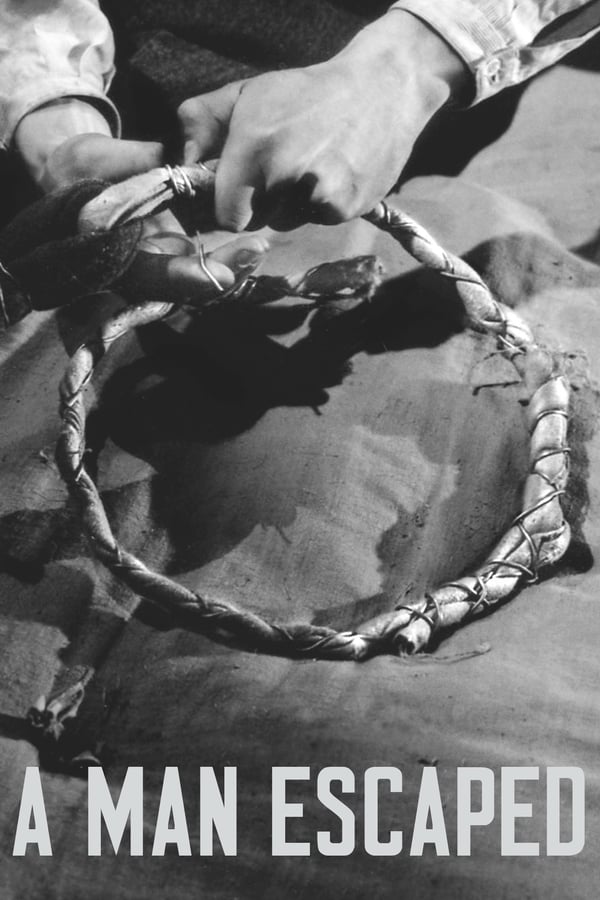
A Man Escaped is widely considered one of French director Robert Bresson’s greatest films, and that is saying a lot from his reputation. From 1956, it is based on the true story of a French resistance fighter incarcerated by the occupying Nazi German forces. From the minute he is put in a jail cell, Fontaine begins looking for a way out. Like many Bresson films, the musical soundtrack is sparse, so the suspense (and there is plenty of it!) is built entirely from the filming, direction, and acting ability of the people on camera, even though Bresson again, like he often did, used amateurs in the movie instead of professional actors. Fontaine patiently devises his plan, using tools he can find or steal around the jail, and is always wary of troops finding him out, other prisoners willing to sell him out, or the jailor coming to execute him before he can make his attempt. The tension slowly but surely builds throughout, until I found myself on the edge of the seat at the end, waiting for the catastrophe that seems to be lurking just around every turn.
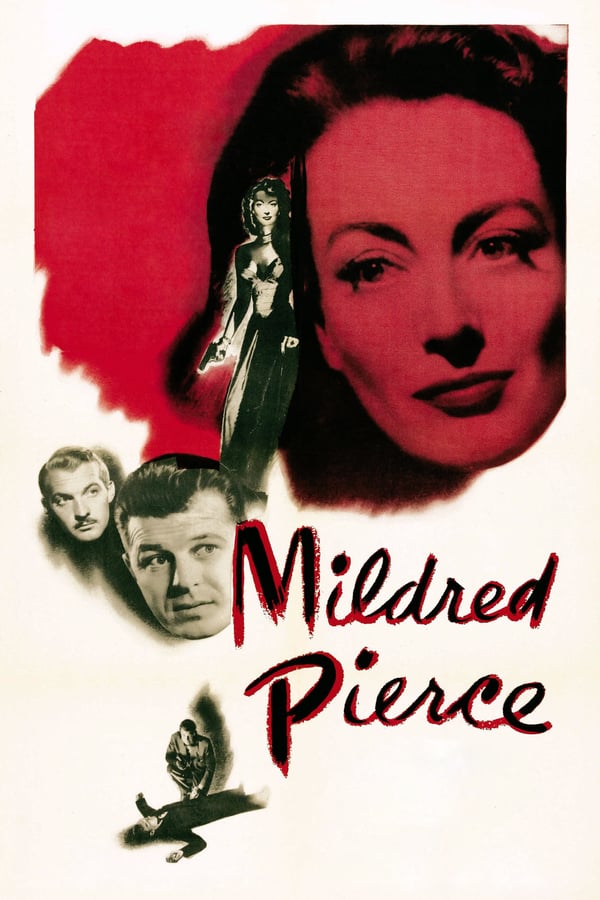
1945’s Mildred Pierce is a classic film noir dominated by its two leading ladies. Joan Crawford won an Oscar as Mildred, the matriarch of the family, who dotes over her oldest daughter Veda, played by Ann Blyth, also nominated. Veda is a spoiled brat, but only because her mother has made her so. The film starts with a man being shot to death, with “Mildred” being his last dying word. We don’t see the killer, but soon after we do see Mildred standing on a bridge contemplating her end. She is saved by a passing officer and brought to the station, where we hear the story that led up the killing. The dead man was her second husband, after her first left her for another woman. We see how Veda was raised and how she manipulated her way to get everything she ever wanted. Mildred even married her second husband purely for his money, so he could supply all of Veda’s desires. The film takes a not-unforeseen-twist near its conclusion, but still it is a gripping and dark murder mystery, culminating in the big reveal at the end.

 Jons Movie Takes
One thought on “Quick takes on 5 Classic films”