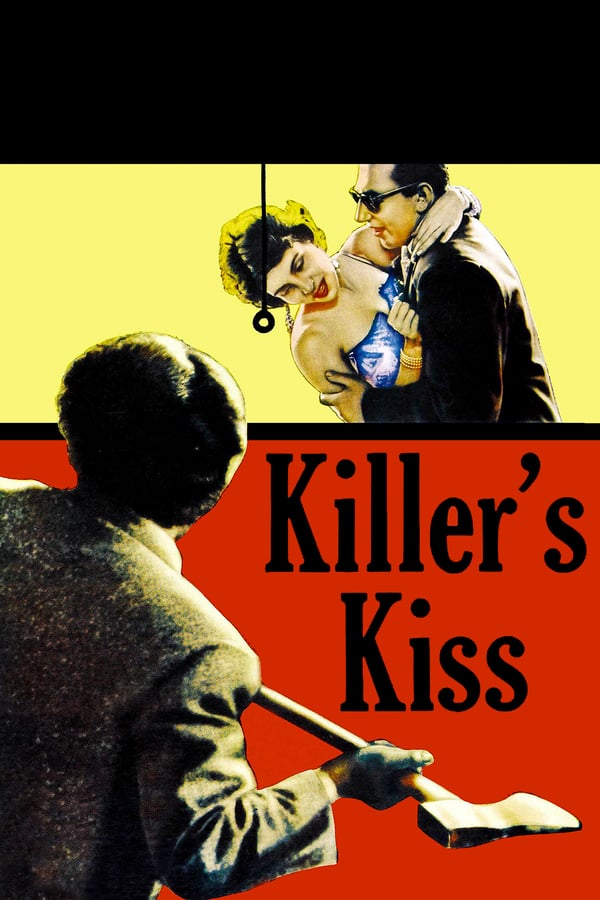
Killer’s Kiss is an obscure early film of Stanley Kubrick’s, his second in fact, from 1955. Produced on a tight budget which Kubrick self-financed with help from friends and family (about $75,000 from reports), it is a short, 1 hour movie about a boxer, Davey, who falls in love with the pretty girl in an apartment across from him. Gloria works as a dancer in a club for a sleazy man named Vincent. When Davey and Gloria decide to run away together to start a new life somewhere else, Vincent decides not to let her go so easily. Honestly this is a rough film to watch; the extremely small budget is on display and the acting is sub-par, but even in this early example, you can see elements of Kubrick that would grow with time, such as the long, panning scenes and sparse dialogue. There’s a long fight scene between Vincent and Davey near the end, where you can almost see Kubrick finding his way as a young director. Not a great movie, but interesting to watch for Kubrick fans.
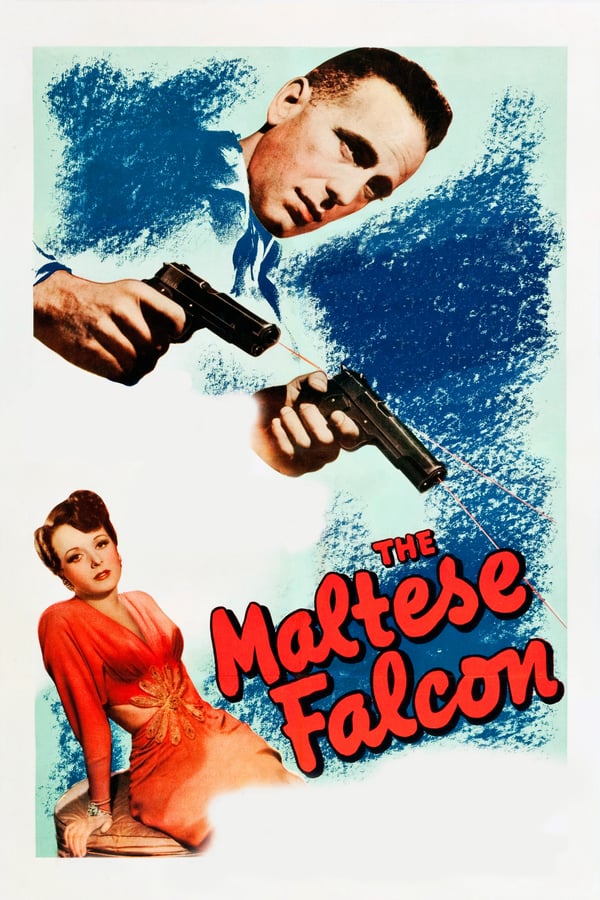
The Maltese Falcon is a re-watch for me, albeit it has been 15+ years since I saw it for the first time (I’ve more recently read the book). Released in 1941 and starring the iconic Humphrey Bogart, it is a classic film noir about a private investigator, Sam Spade, who gets roped into a high stakes game of murder and intrigue. Initially hired by the seductive Ruth (Mary Astor) to follow someone, it isn’t long before people start ending up dead, and Sam begins to wonder what Ruth’s real goal is. Other characters enter, all circling the waters, and all with the same object of desire: an extremely valuable figurine of a falcon, which Ruth once had in her possession. As a great PI, Sam does finally get to the bottom of the mystery, and it all plays out in an incredible reveal at the end. One of Bogart’s best and most revered films.
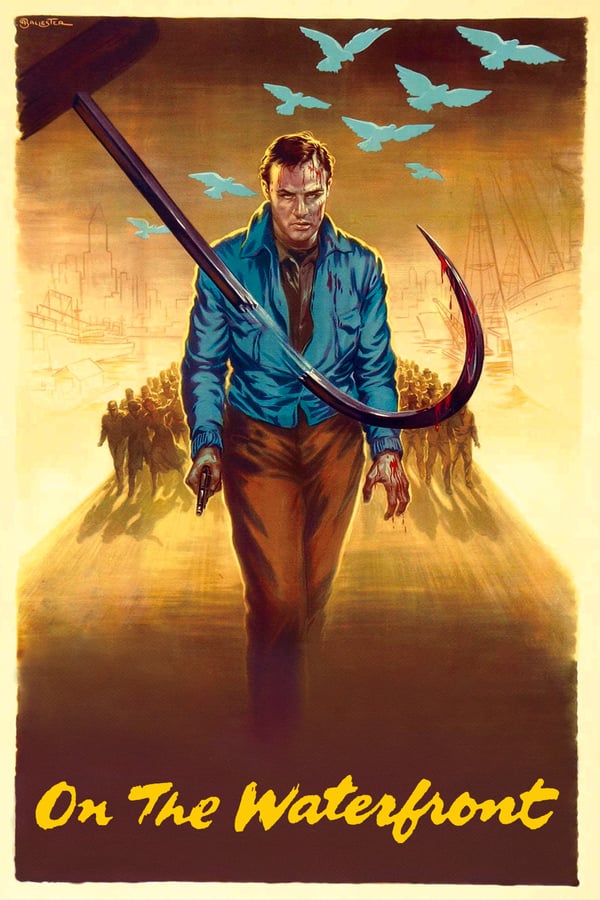
I recently watched A Streetcar Named Desire, which put Marlon Brando on the map, but it was On the Waterfront a couple years later in 1954, for which he won his first Oscar. And he is fantastic in it. Brando plays Terry Malloy, a former boxer working as a dockhand. The dock workers’ union is struggling, not because of lack of work, but because the mob has moved in and taken control, and given money and preferential work to their guys. Terry’s older brother Charlie is the right hand man to mob leader Johnny Friendly. In the opening scenes, Terry unwittingly plays a part in having a dockhand killed, because the guy was ratting to the police. The killed man’s sister Edie (Eva Marie Saint in her debut) and the local priest, Father Barry (Karl Malden), struggle to get people to talk about the murder, because the workers, despite the new oppression, has a history of keeping to themselves regarding their own matters. Terry is racked with guilt over getting his buddy killed, but faces the dilemma of going against his brother. As Terry and Edie grow closer, he also must confess his part in getting her brother killed. An absolutely incredible film, I can’t recommend this one enough.
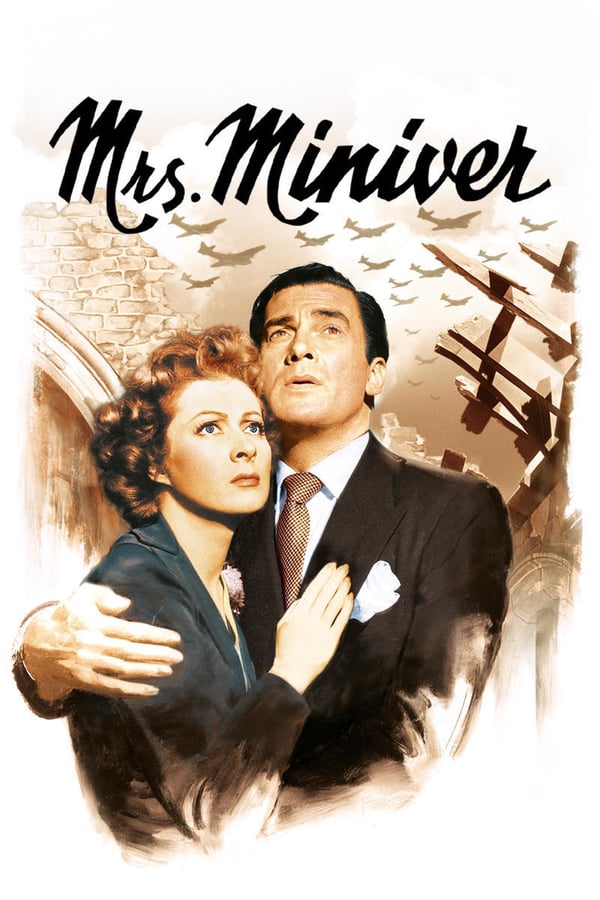
Mrs Miniver is a wonderful war film from 1942. Taking place in England at the outset of World War II, it follows the strong-willed matriarch of the Miniver family. They live in changing times, obviously because of the war, but also with changing social statuses in the country. Mr and Mrs Miniver are “new money” and live in a well-to-do area, but are looked down by the aristocrats, like Lady Beldon, who have lived there for generations. They’ve raised a strong son, Vincent, who is eager to go to war and fight for his country, but before he does, he falls in love with the young and beautiful Carol Beldon, against her grandmother’s wishes. Vincent enlists as an air force pilot and goes off to fight, just as the war comes to Britain’s homeland in the form of bombings from the sky. The film builds slowly throughout, allowing us to get to know each member of the family, so that when the bombs start dropping on their home, we palpably feel their fear. The end takes an unexpected turn which will leave you aching. While the finale is noticeably propagandic (the film was pushed by the American government to drum up home support for the war just as we were entering it), it is no less moving.
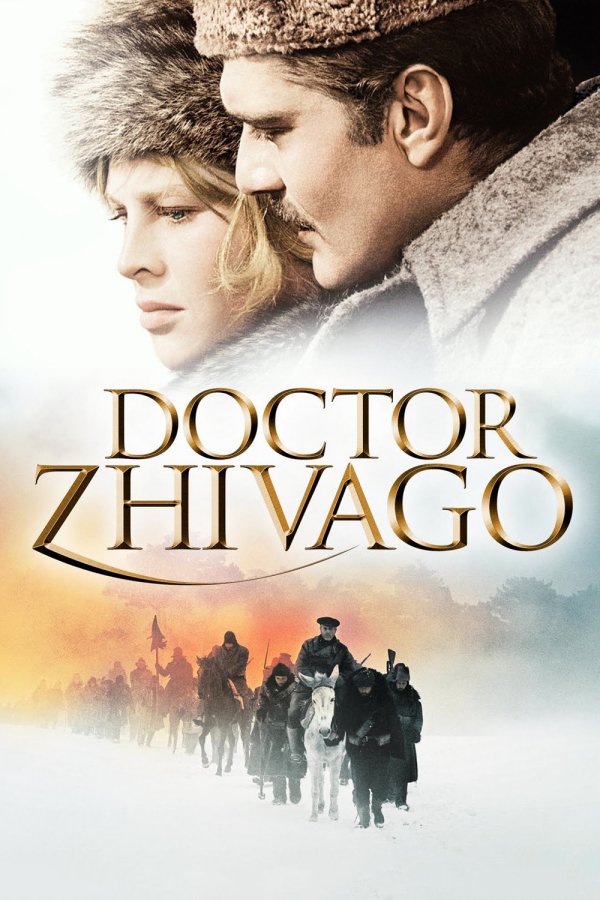
I could not get in to Doctor Zhivago, it’s one movie where I just have to disagree with the critics. A lauded film from 1965, and directed by one of the greats, David Lean, it is an epic movie about the times of the Russian Revolution during and after World War I. The backdrop is of a Russian KGB general (played by Alec Guinness) interviewing a young woman who he believes to be his long-lost niece. He tells the tale of her parents, who she doesn’t really remember, including her father (the general’s younger brother), Doctor Zhivago. Raised in a wealthy household until Lenin’s socialism breaks down the barriers of independent wealth, Zhivago is smitten with a poor woman named Lara, but marries the wealthy Tonya instead. Much of the film is Zhivago’s dichotomous relationship with these two women, while others weave in and out of their lives. The film is beautifully shot with stark, grandiose scenes and costumes, but the plot is thin and not all that interesting, and for much of the time, I just wanted to smack around the lead actor for being unable to choose between these two wonderful women, either of which would make him happy if he could but stick with one wholly. And personally, I found it a bit humorous to watch a film full of Russians being portrayed by British actors, complete with British accents, doing British things. I understand it was made in a different time, but for me, it was distracting. Sometimes I can watch a 3+ hour movie and lose myself in it, and other times like this, I’m stuck looking at the clock through most of it, waiting for the plot to develop.

 Jons Movie Takes