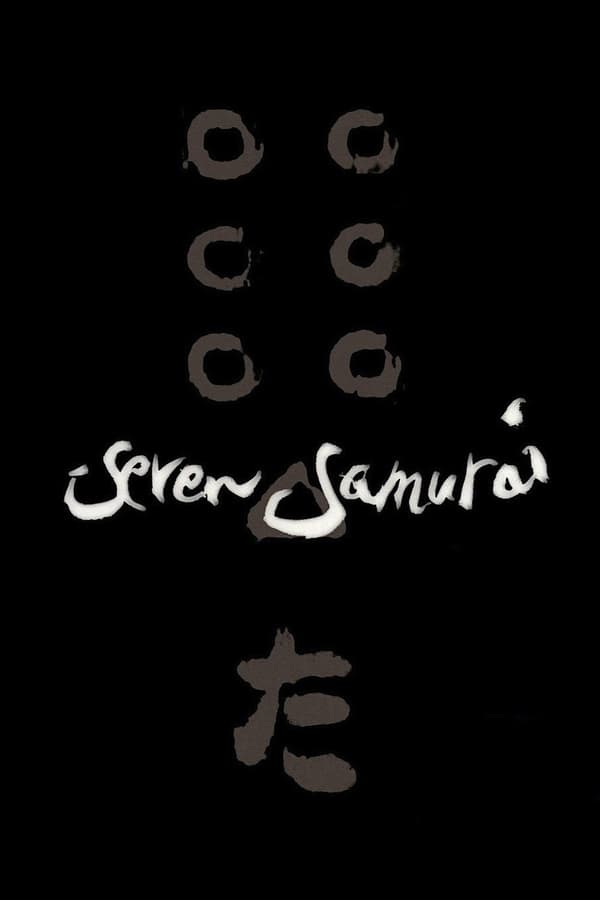
Like every red blooded American, I’ve seen The Magnificent Seven (both of them!). But I had never seen the original film it was based from, Akira Kurosawa’s legendary Seven Samurai. The story is very similar to our American version, just taking place in 16th century Japan instead of the old west. A poor farming village is beset by bandits, and the villagers try to find help from samurai, led by Kambei Shimada. This is an epic movie, clocking in at over 3 ½ hours long, and worth every minute. It is basically made up of 3 parts. The first shows the town reach out to Shimada, and his efforts to put together a group of samurai to protect the village. The second half shows them go through the drills to prepare for the battle, and the final act is the big fight. More than just an action film, there is plenty of heartache and love to be found. Kurosawa is one of the best Japanese directors of all time, and this is arguably his most influential film. When it was made in 1954, it had the biggest production (and budget) ever seen in Japan and rivaled the Hollywood films in its day. If you are a fan of The Magnificent Seven, it is worth it to see where it came from.
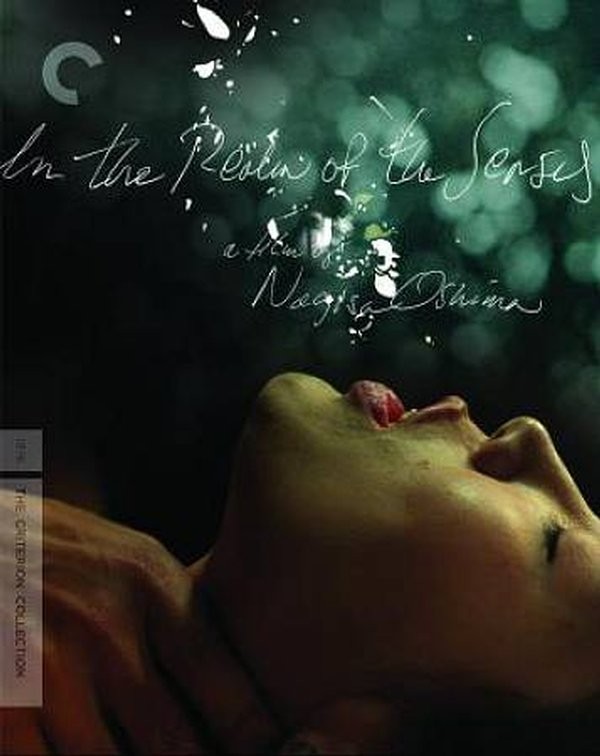
On the totally opposite side of the spectrum is In the Realms of the Senses, from 1976, by director Nagisa Oshima. I hope I didn’t disappoint my family by watching this one (I know I got some sideways glances from my wife, who rolled her eyes and left the room). This is a graphic, and often called obscene, film, showing real sex scenes. In fact the only way Oshima got it released was by having the final editing done in France, and to this day, it has never been shown uncensored in Japan. Based on an actual true story from the 1930’s, Sada is a maid who starts an affair with her married master, Kichizo. Their love affair grows more and more violent over time, until they can only reach climax by causing pain to each other. The director contends the movie is a look at dominance by males in Japan, from the government on down, and it also has a (*ending spoiler*) fatal attraction element to it. The sex is hard to watch (the director and art-film lovers content that it is not pornography, but it sure feels like it), but I get why it is included, as it shows Sada’s and Kichizo’s evolving affair in a way that dialogue never could. A disturbing and obviously controversial film, I can’t recommend it for most people.
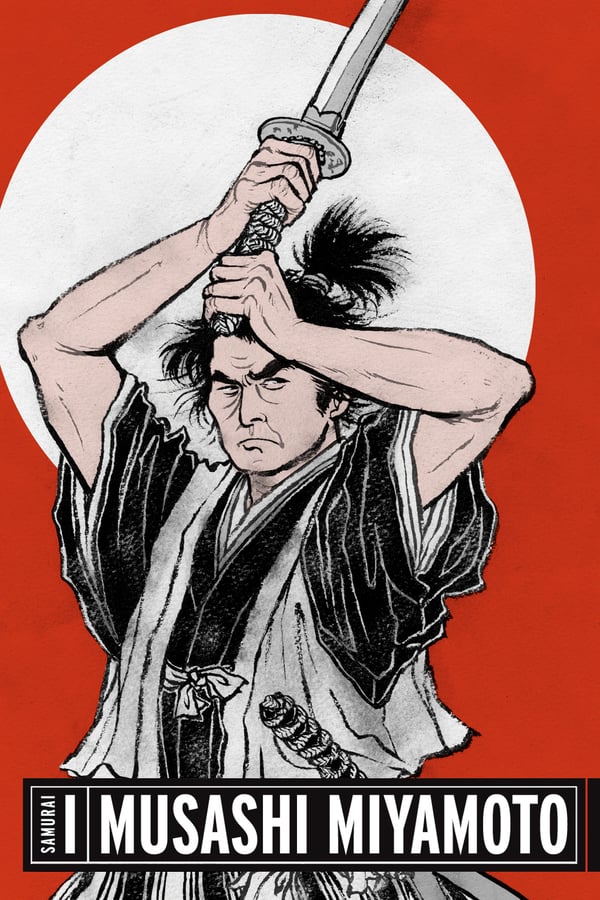
On a more conventional note, I returned to Japanese samurai films, in fact, the famous Samurai trilogy by Hiroshi Inagaki. First up is Musashi Miyamoto, winner of an Oscar for a foreign language film in 1955. At the beginning of the film, you think it will follow Matahachi, a charming young man who is engaged to the beautiful Otsu. He tags along with his friend, a roguish Takezo (famous actor Toshiro Mifune, also in the above Seven Samurai), to the battle of Sekigahara. Instead of fame and glory, the duo are on the losing side of the battle, and hole up in widow’s house, nursed to health by her and her daughter Akemi. Subtly, Takezo becomes the hero of the story, as he leaves the cowardly Matahachi at the hut with the women, and seeks to return home to tell Otsu of her man’s fate. Takezo is captured though and blamed for things he did not do, and only escapes death by a last minute rescue by Otsu. During his incarceration, the religious leader of the city, Takuan, sees something in Takezo and takes him under his wing to teach him compassion and patience. By the end, Takezo is on his way to becoming a great samurai, though he must leave Otsu and all of his past before he can take the next step. A beautifully written movie, it stands well on its own, but also makes you want to continue the story into the sequel.
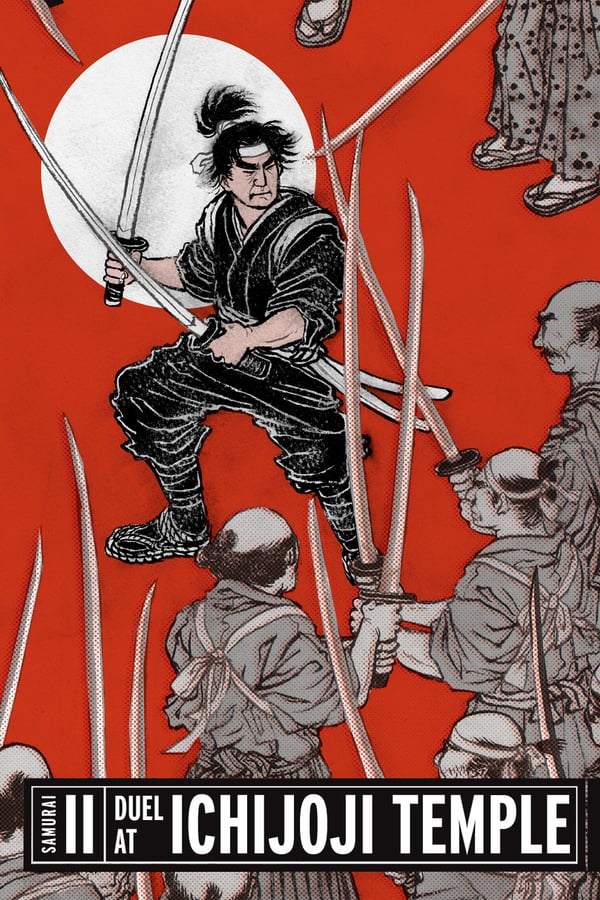
Duel at Ichijoji Temple picks up where the first movie finished. Takezo has taken a new name, Musashi, and is building a reputation as a great samurai. He climbs up the hierarchical ladder by challenging sword masters in the area. One though, Seijuro Yoshioka, refuses to fight, and instead sends his goons to fight Musashi. Unbeknownst to all except us viewers, Seijuro has been courting Akemi, who still lives with her mother and an emasculated Matahachi. Otsu too is still waiting for Takezo to come back to her. Musashi circles closer and closer to Seijuro throughout the film, gaining the attention of a fellow samurai master, Kojiro Sasaki. Kojiro cheers Musashi on, though for what reason, we do not know. In the end, Musashi finally lures Seijuro into a duel and defeats him, but in a twist, spares his life, showing just how much Musashi has changed as a person. When he tries to take Otsu, she rejects him, and he goes off alone to continue his quest to become a great samurai. As in the first film, this one stands well on its own, but leaves enough mystery for you to want to see the conclusion.
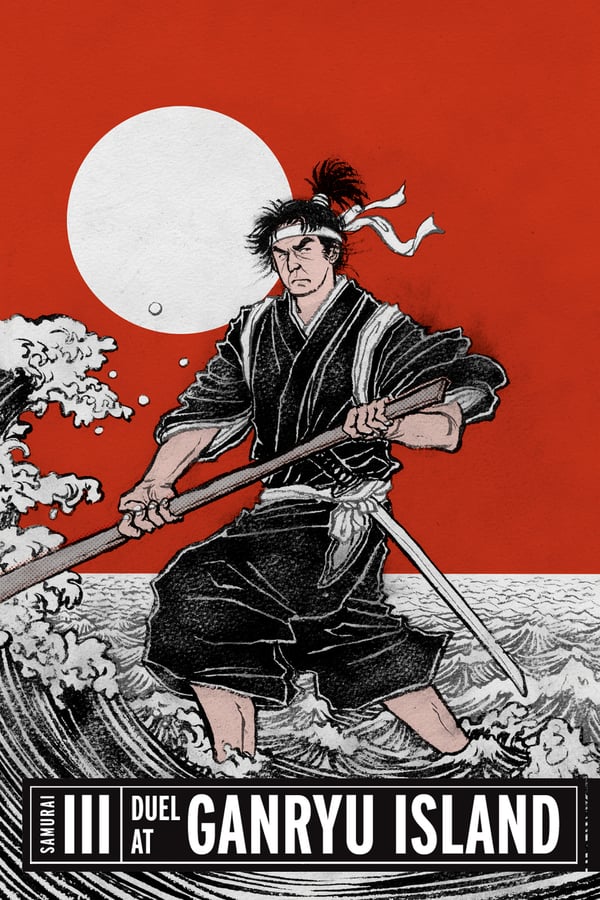
In the beginning of the finale, Duel at Ganryu Island, we finally learn Kojiro’s plan. He wants to grow the legend of Musashi, and then defeat him, for his own personal glory, though Akemi pleads with him not to do so. Unlike Musashi, Kojiro has no compassion for others, and cares only for fame. Kojiro lures Musashi in to a duel at last, but Musashi ultimately declines, leaving the region to farm the land and grow spiritually, while Kojiro takes a job as a teacher to a local lord. Otsu eventually comes to him there, though Musashi is still haunted by her earlier rejection. Akemi, having resulted to prostituting, still longs to be loved by Musashi too, and sets out to find him. She does track him down and confesses her love, only to die in a bandit raid shortly thereafter. Kojiro, now a respected sword master, finally calls for his long-awaited duel with Musashi, and Musashi accepts. As the duel approaches, Otsu begs Musashi to abandon it and the sword and go away with her, but he reluctantly stays on the path. At the fight, the two are very evenly matched, thought Musashi is the victor in the end. I found this film to be the weakest of the trilogy, just seemed like a lot of lead-up without the intrigue of the earlier films. As a whole though, they are fantastic films and worthy of a weekend of binge watching.

 Jons Movie Takes
3 thoughts on “Quick takes of 5 CLASSIC JAPANESE films”