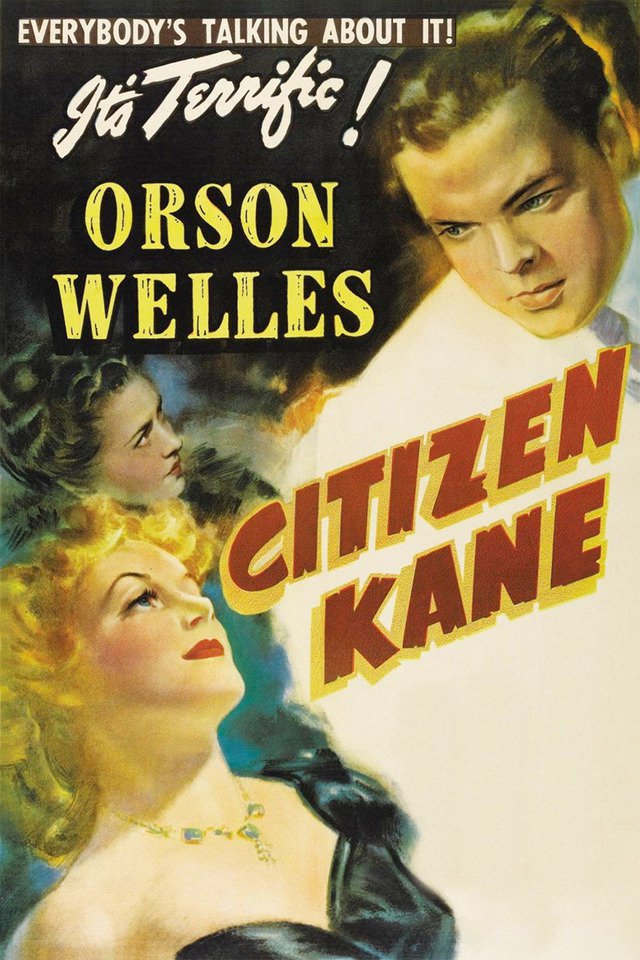
Most movie lovers have seen Citizen Kane, widely regarded as one of the (some say the very) best movies ever made. Starring and directed by the heralded Orson Welles, its famous ferreting out of Charles Foster Kane’s last, dying word, “redbud,” has been discussed for decades. The movie follows Kane’s life, told in flashbacks as a newspaper reporter interviews those that knew him best, and in its course a very intriguing, driven, yet ultimately flawed character is developed. Beautiful acting by Welles with some groundbreaking techniques for its day in 1941, this is one of the all-time great classics that is worth a new viewing if you haven’t seen it in awhile.
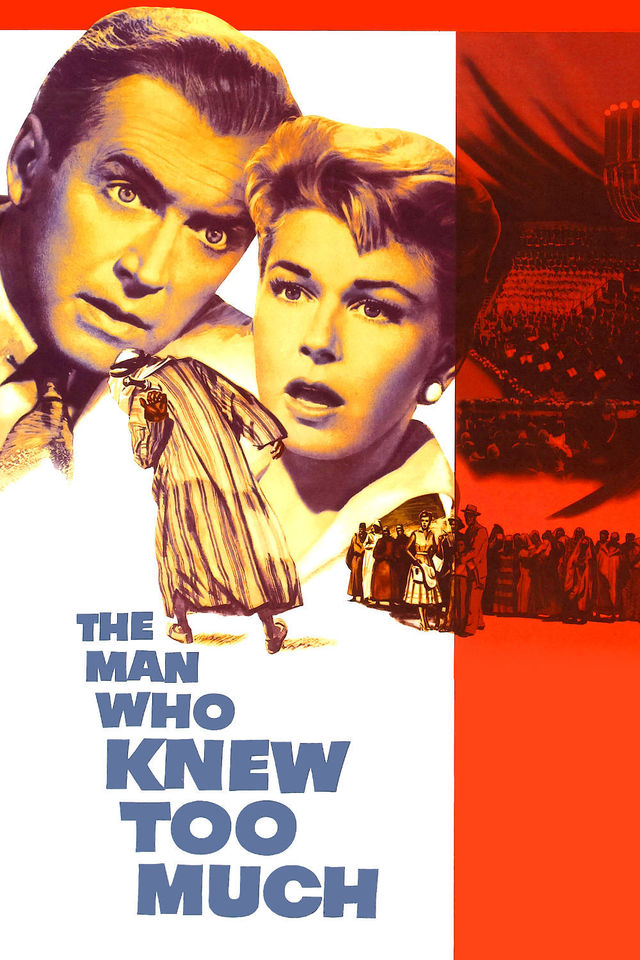
The Man Who Knew Too Much is the classic Alfred Hitchcock film starring Jimmy Stewart and Doris Day, as Ben and Jo McKenna. It is an international thriller, beginning in northern Africa as the couple is vacationing with their son. From the start Jo gets weird vibes from people around them, feeling like they are being watched. They are shaken up when a new acquaintance is murdered in front of them, who gives a message to Ben before he dies. Immediately their son is kidnapped, and the couple is told to stay away from the police and not share the dying man’s last words with anyone. The mystery heads to London, where an assassination plot is uncovered. A very good thriller, though like a lot of Hitchcock films, the ending is awfully abrupt.
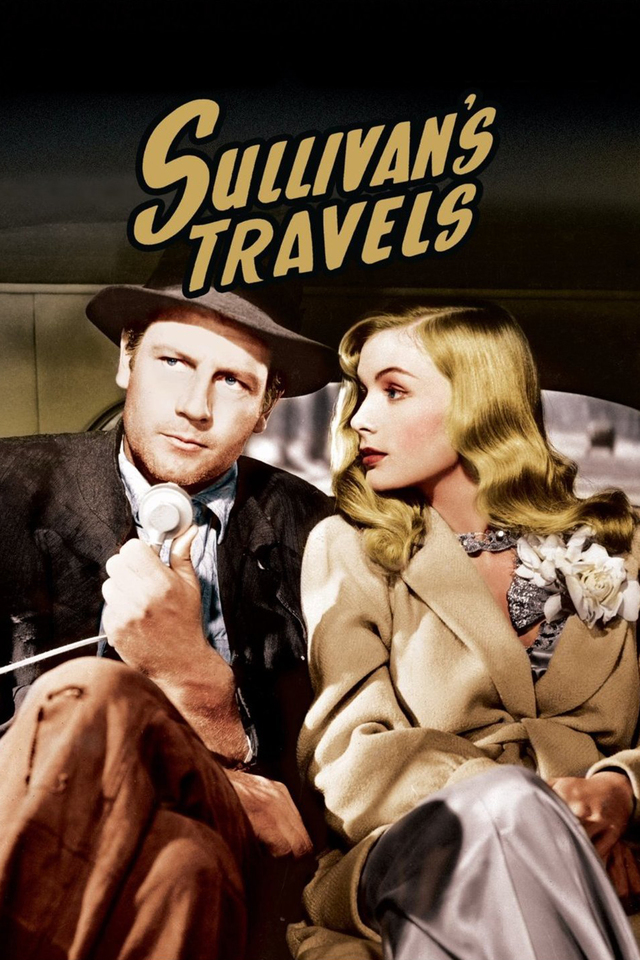
Sullivan’s Travels is an old comedy from 1941, about a successful film director who is known for comedies, but who wants to make a serious drama. The movie studio thinks he doesn’t have the real life experiences to draw on to make a successful serious film, so he decides to renounce his riches and live as a hobo for awhile. Early on, he meets a struggling actress who decides to tag along in his adventure. This is a very funny film for most of it, but it gets almost dark for a good portion in the second half, when the director is incarcerated and sentenced to hard labor, while everyone in Hollywood thinks he is dead. A fun movie that holds up well, fans of comedies of all eras will enjoy this one.
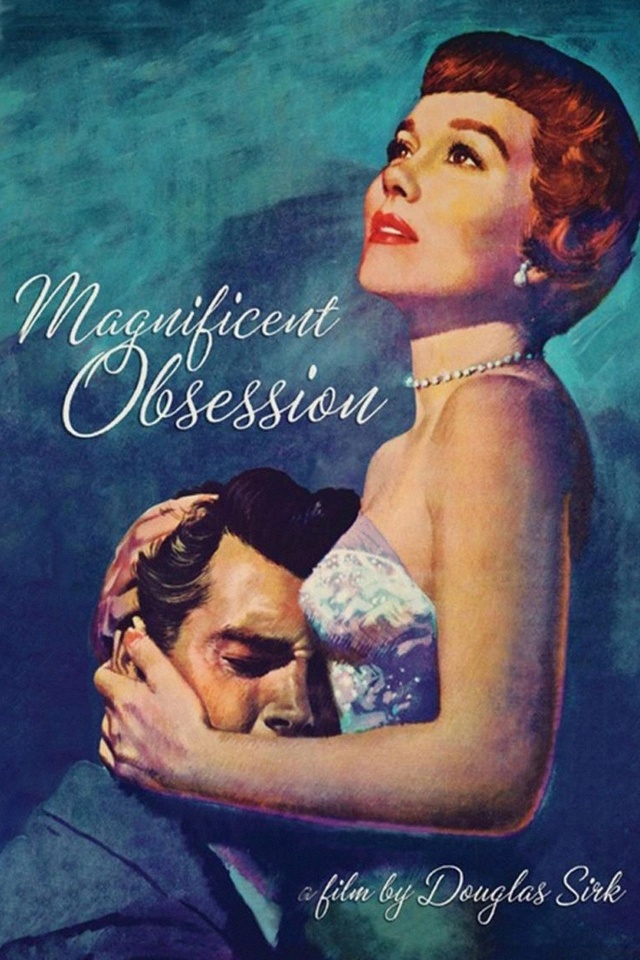
Magnificent Obsession is an absolutely wonderful film from 1954, starring Rock Hudson and Jane Wyman. Bob Merrick is a high-life playboy without a care in the world. He is speed boating on the lake when he gets into an accident. The paramedics use the only resuscitator in the area, which belongs to local doctor Phillips, to bring him back, but while doing so, Dr Phillips has a massive heart attack and dies. Everyone in the area blames Merrick for tying up the machine, and Bob is wracked with guilt. He tries to bring comfort to Phillips’ widow, Helen, but in her anger she rebuffs him. In talking to Dr Phillips’ friends, Bob learns of his “pay it forward” attitude towards life, that if you do kind and unprovoked things for people without expecting reward, good luck comes back to you. Tragedy strikes Helen next, as she falls blind in an accident. Bob pretends to be someone else to get close to her now that she cannot see, and eventually they fall in love. This all leads to a heartfelt conclusion. A fantastic film that may often get overlooked today.

Paul Newman was a cool cat, and he was never cooler than in Cool Hand Luke. The famous film about a man that would not be broken by the law, it cemented Newman as a Hollywood A-lister in 1967. After a dumb stunt while drunk, Luke is sentenced to a chain gang in Florida. If he would just follow the strict rules and work hard, he’d be out in 2 years, but Luke was never one to follow rules. His easy-going nature and tendency to buck authority quickly makes him popular among his fellow convicts, and his continuous escape attempts earn him cruel treatment from the guards. By the end of the film, Luke has taken on an almost mythic-like quality, and he becomes a legend that will live on well past his untimely demise. I’m a big Paul Newman fan, but had shamefully never seen this one before. Don’t follow my mistake, and check this one out (or revisit it if it has been too long).
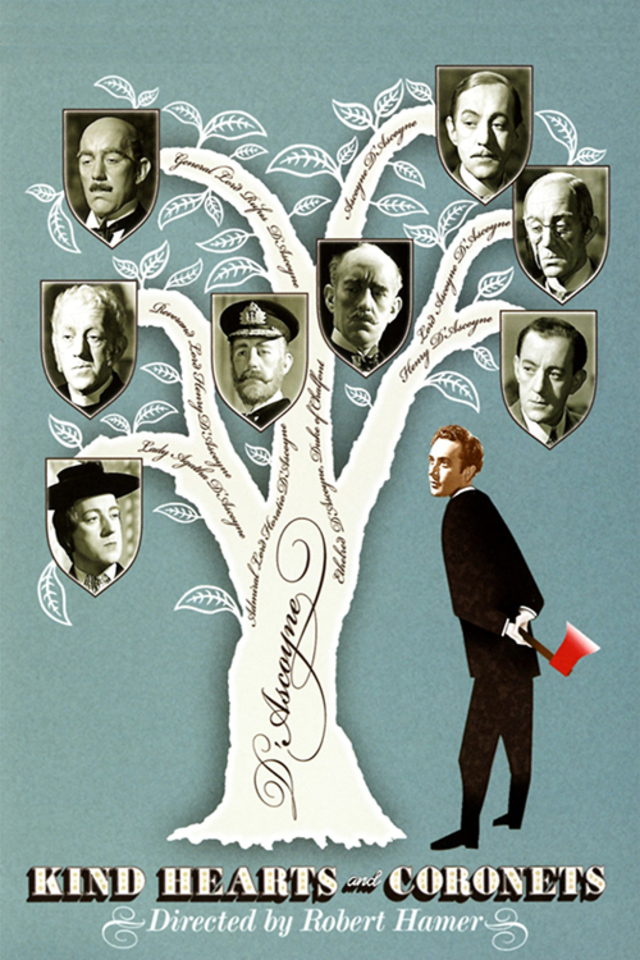
Long before Eddie Murphy showed up as multiple roles in The Nutty Professor, there was Alec Guinness in Kind Hearts and Coronets, from 1949. This is a British comedy about a man, Louis, who seeks to become a Duke through murdering all of those in the line of succession before him. Louis’s mother was kicked out of the family for marrying a commoner, but Louis is resigned to set that right. All of the D’Ascoyne family must go before Louis can become Duke, so he starts taking them out, one by one. Each family member, all 8 or 9, is played by Guinness, including the Lady Agatha D’Ascoyne. It’s a true classic comedy, so if you don’t like dry British humor, you will most likely hate this one, but I found the word play and almost silly chain of events to be fantastic. The sub plots of Louis’s fling with his childhood girlfriend (who is married to his childhood pal), and Louis’s wooing of one of his victim’s widows, fill out the film. It’s a fun movie if you like this style.
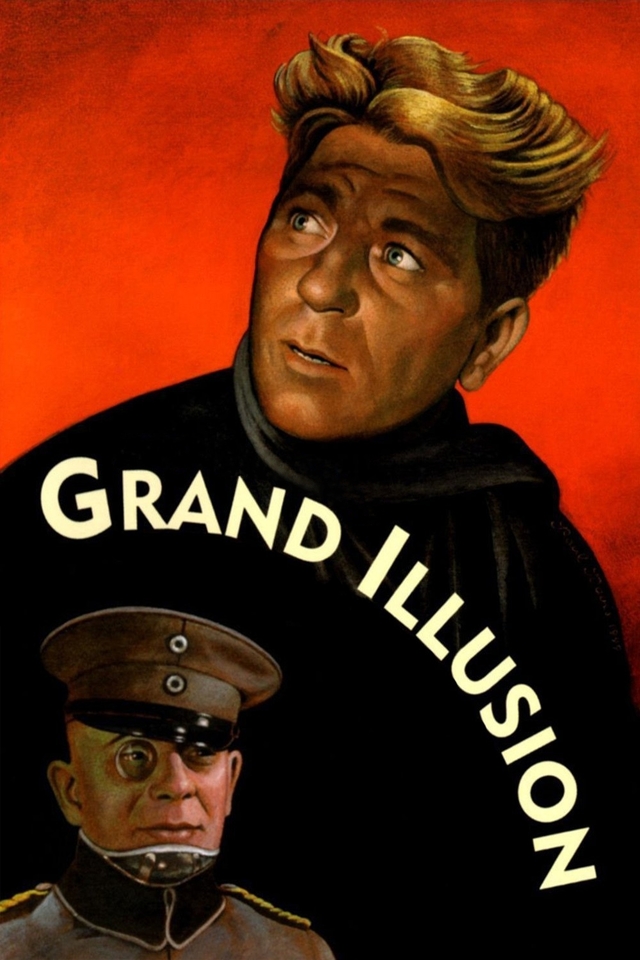
La Grande Illusion is an utterly fantastic French film from 1937, taking place during World War I. French officers Boeldieu and Marechal are shot down and captured by the Germans, who imprison the duo but treat them with respect as befitting an officer. While Marechal was a commoner before the war, Boeldieu is a refined aristocrat, and early on, is introduced to his German counterpart, Rauffenstein. When they are moved to a prisoner of war camp, they meet other Frenchman, including Jewish Rosenthal. Rosenthal finds the refined Boeldieu aloof, but Marechal vouches for him. Marechal and Boeldieu have several escape attempts and as such, get moved from camp to camp, until finally arriving at an impregnable stronghold, where they meet Rauffenstein again. Now later in the war, Rauffenstein has had several injuries that keep him from the front lines. Rauffenstein reminisces with Boeldieu about life before the war, when the aristocrats were kept above those common people with whom they now appear on equal footing, but Boeldieu accepts the changing times that war has brought, and knows it will never go back to the way it was. Boeldieu hatches a plan to allow Marechal and Rossenthal to escape, sacrificing himself in the bargain, and we then follow the escapees as they attempt to find freedom at last. Truly an incredible, epic film, with arresting acting from all of the leads, and a movie to contemplate long after the “fin.” The big “illusion” referenced in the title has multiple layers here, from the changing times, to the ways soldiers of different sides (and different backgrounds on the same side) face each other, to even the war itself. Highly recommended.
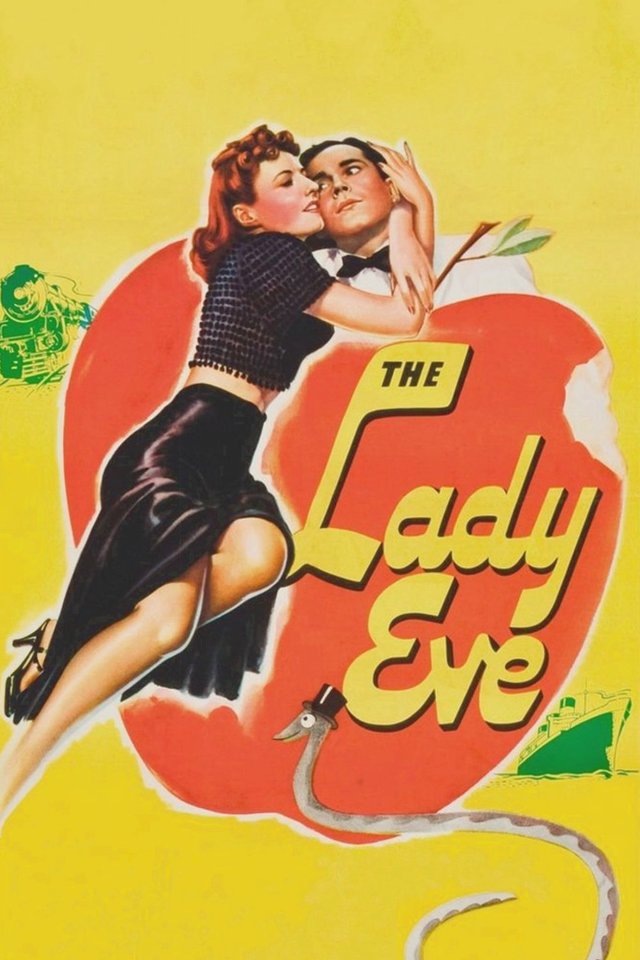
The Lady Eve is another lovely film, starring Barbara Stanwyck and a young Henry Fonda. Charles Pike is returning to America on a cruise ship, when he meets Jean Harrington. Jean and her father are con artists, and see Charles as an easy target, until Jean and Charles fall in love with each other. Charles’s infatuation is shattered though when he finds out about Jean’s past, and the two split up. Back in American now, Jean hatches a plan to teach Charles a lesson, inventing a new woman named Eve. This is a zany comedy from 1941, probably classified as a romantic comedy today, and is wonderfully engaging. You root for Charles and Jean both, hoping they can find happiness together despite their conflict. Beautiful acting and energetic, fast-paced dialogue that isn’t dated.
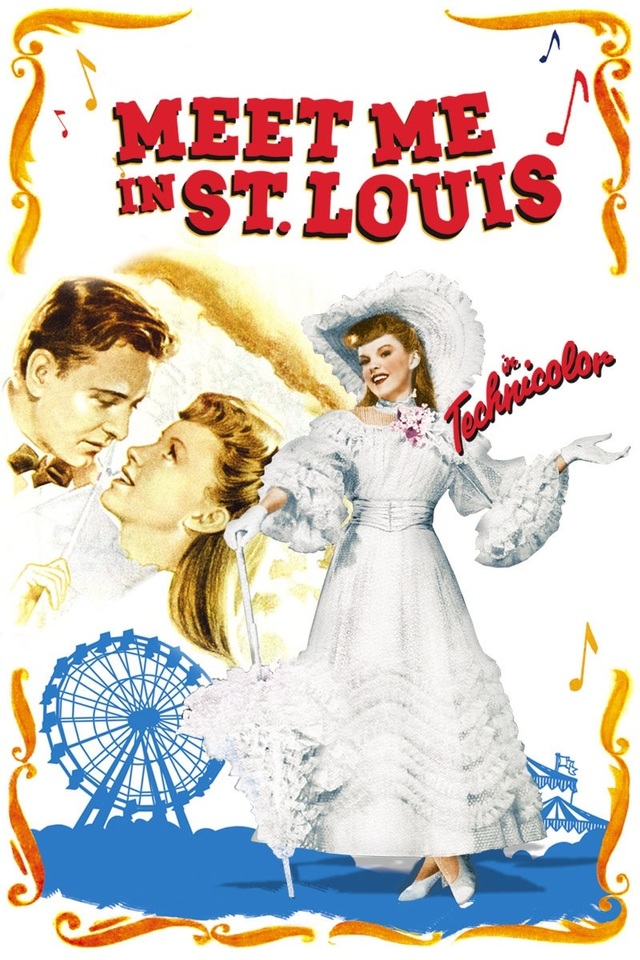
I finished up with a couple classic Vincente Minnelli musicals. 1944’s Meet Me in St Louis is probably the more popular of the two, though not one of my favorites. It stars Judy Garland as Esther Smith, and is about her family in St Louis against the backdrop of the approaching Worlds Fair in 1904. Esther and her sister Rose are getting towards marrying age, and are looking for men. Garland is fantastic, but the movie (and the musical) are just “ok” for me. The lasting songs are great (the now-standard “Have Yourself a Merry Little Christmas” is from this show), but the film just sort of meanders along. This is probably a blasphemy statement due to how popular this show is, but it’s not for me.
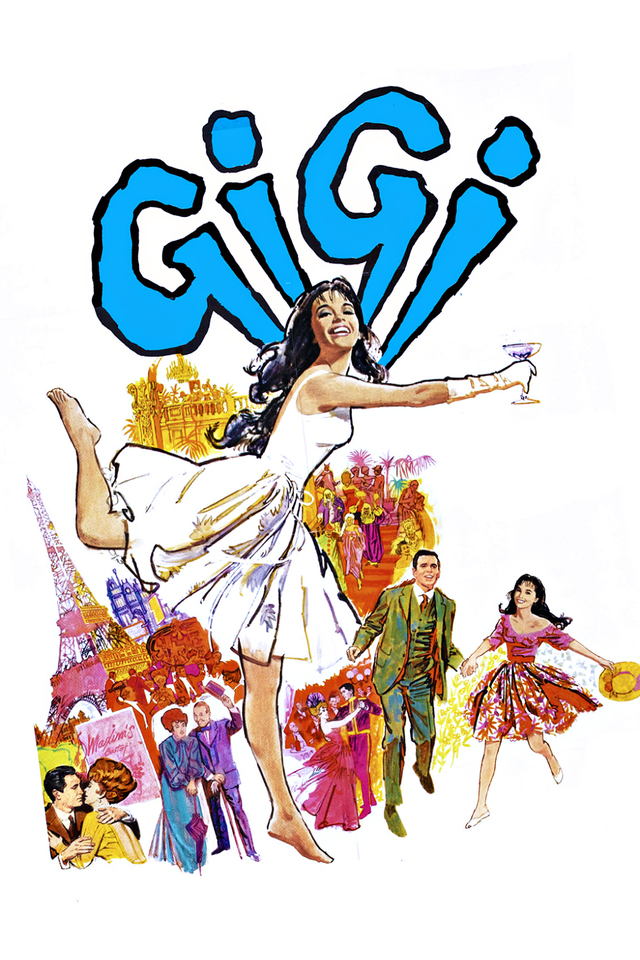
Minnelli’s Gigi from 1958 is more fun. Leslie Caron is in the title role, with Louis Jourdan as Gaston. Gaston is a rich playboy who is bored with high society, where women jostle for the envious position of his mistress. His only joy comes in hanging out with young Gigi and her grandmother. Gigi is a normal girl who finds all the pretentious play-acting extremely tedious, and is reluctantly taking grooming lessons from her great aunt. When the aunt sees an opening for Gigi to be Gaston’s mistress, despite their age difference, she forces Gigi to finally take her lessons seriously, which Gigi does only to stay close to Gaston. It’s a wonderful story with charming songs, and despite a recent Broadway revival and national tour, it is far less publicly known that Meet Me. A very enjoyable movie.

 Jons Movie Takes
4 thoughts on “Quick takes on TEN CLASSIC films”