
Lolita, directed by Stanley Kubrick, stars James Mason as Humbert, and older man who falls head-over-heels in love with teenager Lolita. Lolita knows she is pretty, and knows how to use her looks and sex appeal to get men to do things for her. Humbert goes so far as to marry her mother in order to stay close to Lolita. When the mother tragically dies, Humbert wastes no time in finally bedding Lolita. She goes along obviously, but you can tell throughout that while Humbert is completely obsessed with her, she seems to almost be leading him along, and she gets her way in all things. You learn in the end just how much she has led him along. Though it is an earlier Kubrick film, lacking some of the long, building scenes that would invade his later movies, it is still very well done, though much creepier when watched today.
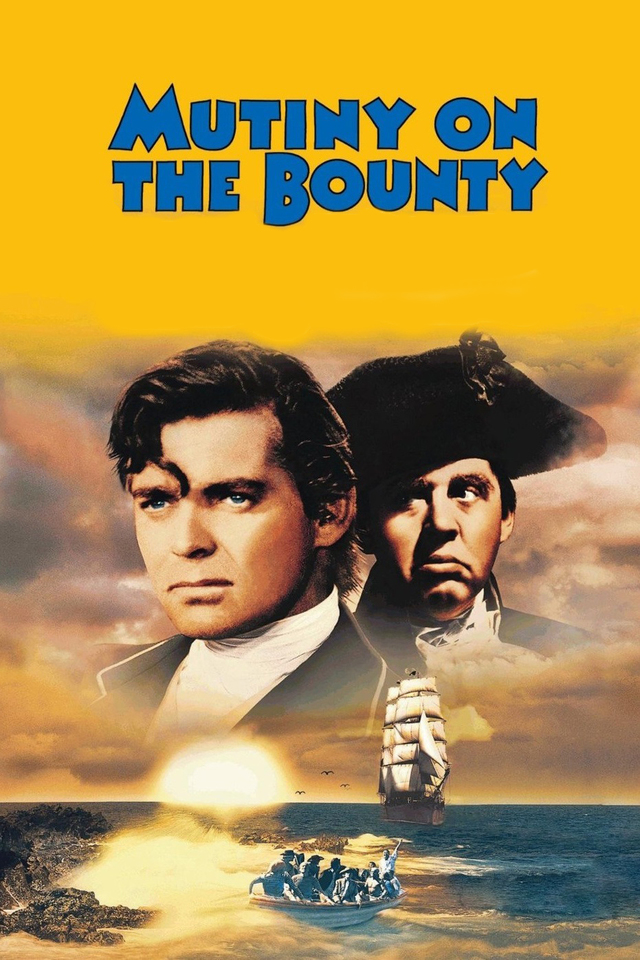
The original Mutiny on the Bounty from 1935 is the classic Clark Gable film recounting the famous (infamous?) tale of the Bounty in the late 18th century. Captain Bligh is a terribly strict man, giving his crew little food and pushing them past their limits in the trek from England to Tahiti. Though only a few years before Gone With the Wind, a much younger-looking Gable plays lieutenant Christian, who carries out Bligh’s orders against his own personal convictions, until they finally cross a line and Christian must stand up and stop them. Christian, along with about half the crew, mutinies, knowing they would face hanging if ever caught. The film won best picture at the Oscars, and to this day is the only film with three best actor nominations in the same category (though all three eventually lost). A very ambitious looking film for 1935, and an enjoyable movie.
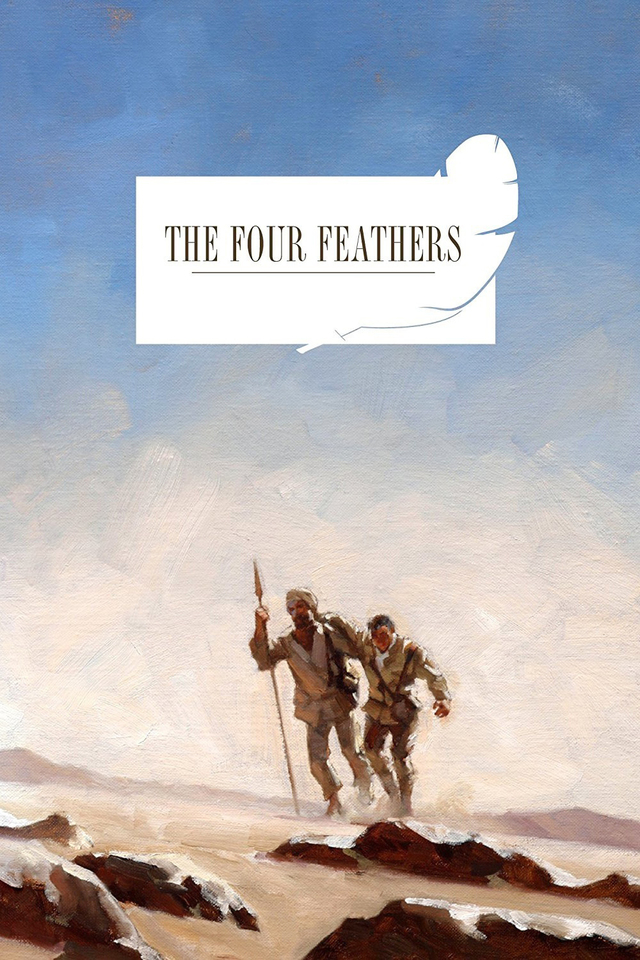
Many film versions exist of the novel The Four Feathers by AEW Mason, but the 1939 version is widely considered the best. And it is a masterpiece. It tells the tale of Harry Faversham, raised in a family with a history of war heroes. He is no coward, but is afraid of becoming one and not living up to his ancestry’s standards. He resigns his officer’s commission on the eve of his regiment being sent to Sudan to quell an uprising, but when he cannot live with the shame, he travels there anyway, under disguise, to prove his worth. He faces many hardships and ends up saving the lives of all his friends. Beautifully told and with outstanding acting, this is a true gem of a film. I mention ambitious filmmaking in the above blurb, but this one takes the cake. It isn’t unheard of to see these 30’s and 40’s war epics use a few hundred extras to show as an army, but this film seems to use thousands. In a time before computers could fill the screen with yelling, screaming warriors, the sheer number of people going to battle in this film is astounding.
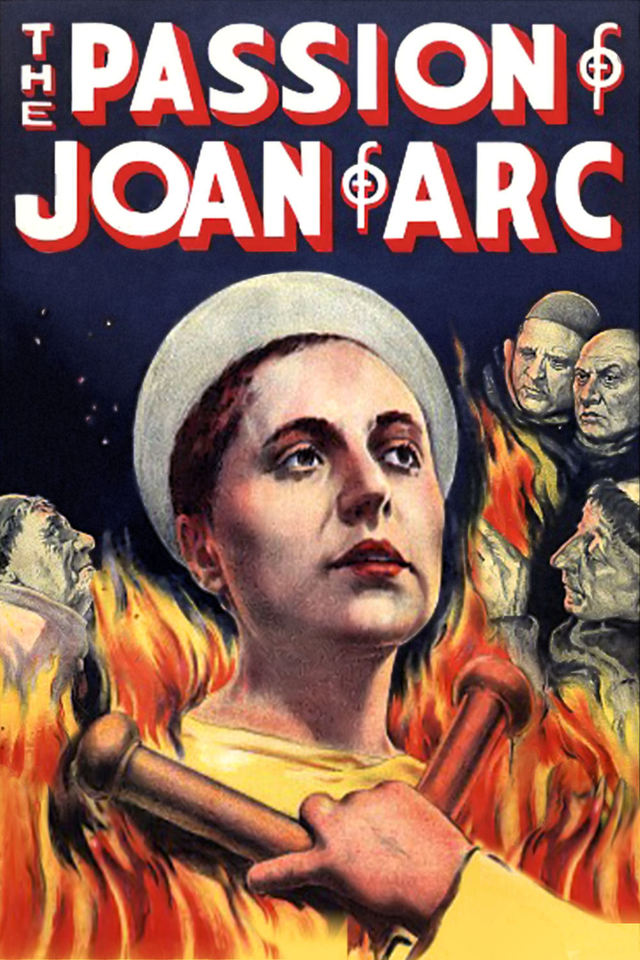
The Passion of Joan of Arc is a French film from the silent era, directed by acclaimed Danish director Carl Theodor Dreyer. One of the best silent films of all time, the lead actress, Renee Jeanne Falconetti as Joan, is superb, though unfortunately this is the only major film role she ever took. Written based on the actual transcripts of Joan’s trial and execution, it tells the tale of the famous martyr of the Catholic church, how she was tricked into making heretical statements by an English-backed jury in order to execute her as a heathen. Nearly all of the film is done in extreme close-up fashion, with Dreyer using different lighting techniques to cast the various actors in different shades, and this also really showed off Falconetti’s skills. Her facial expressions make the movie. In the silent era, when over-acting was often the norm to convey extreme emotion, Joan’s subtle shifts in demeanor keep you riveted.
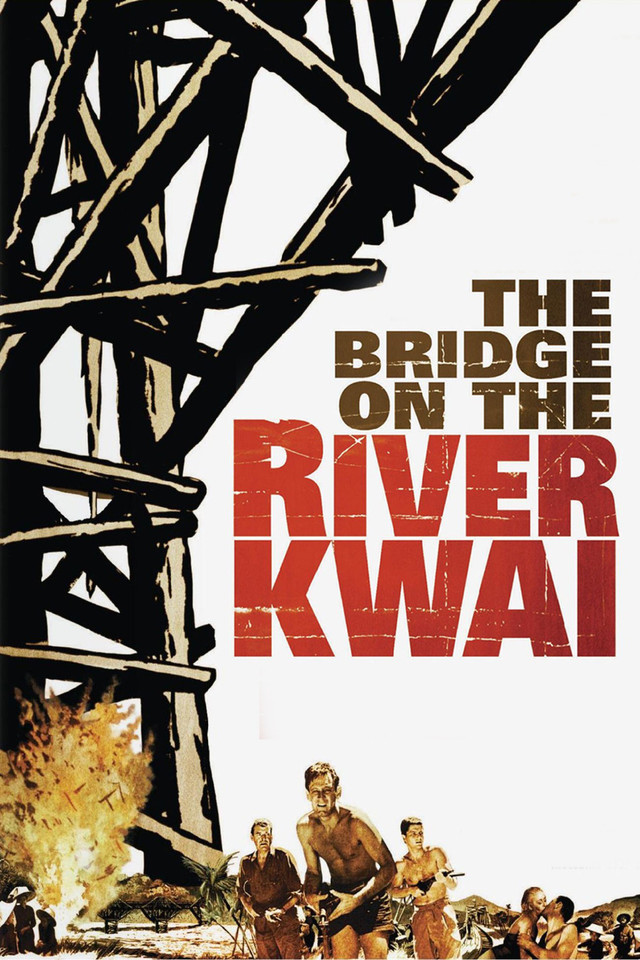
To a couple generations of movie watchers, Alec Guinness is just Obi Wan Kenobi, but this brilliant actor had a whole career before that film and one of his most famous is The Bridge on the River Kwai, from 1957. In an Oscar winning role, he stars as British colonel Nicholson, who, with his men, has been captured by the Japanese during World War II. As prisoners of war, they have been tasked with building a massive railroad bridge. Nicholson stands up to his captors for better treatment for his men, eventually showing them that if given a fair chance, they can willingly build a tremendous bridge for them. At the same time, American commander Shears (William Holden), a recent escapee of the same camp, is with a group of British soldiers headed towards the bridge to blow it up. Directed by incomparable David Lean, this war epic offers much to think about long after the ending. Nicholson and all of the soldiers, and even the Japanese commander, are multifaceted and thoroughly filled out characters, and the film doesn’t just spoon feed you the answers to some of the questions it raises about what is right or wrong.

 Jons Movie Takes
One thought on “Quick takes on 5 CLASSIC films”