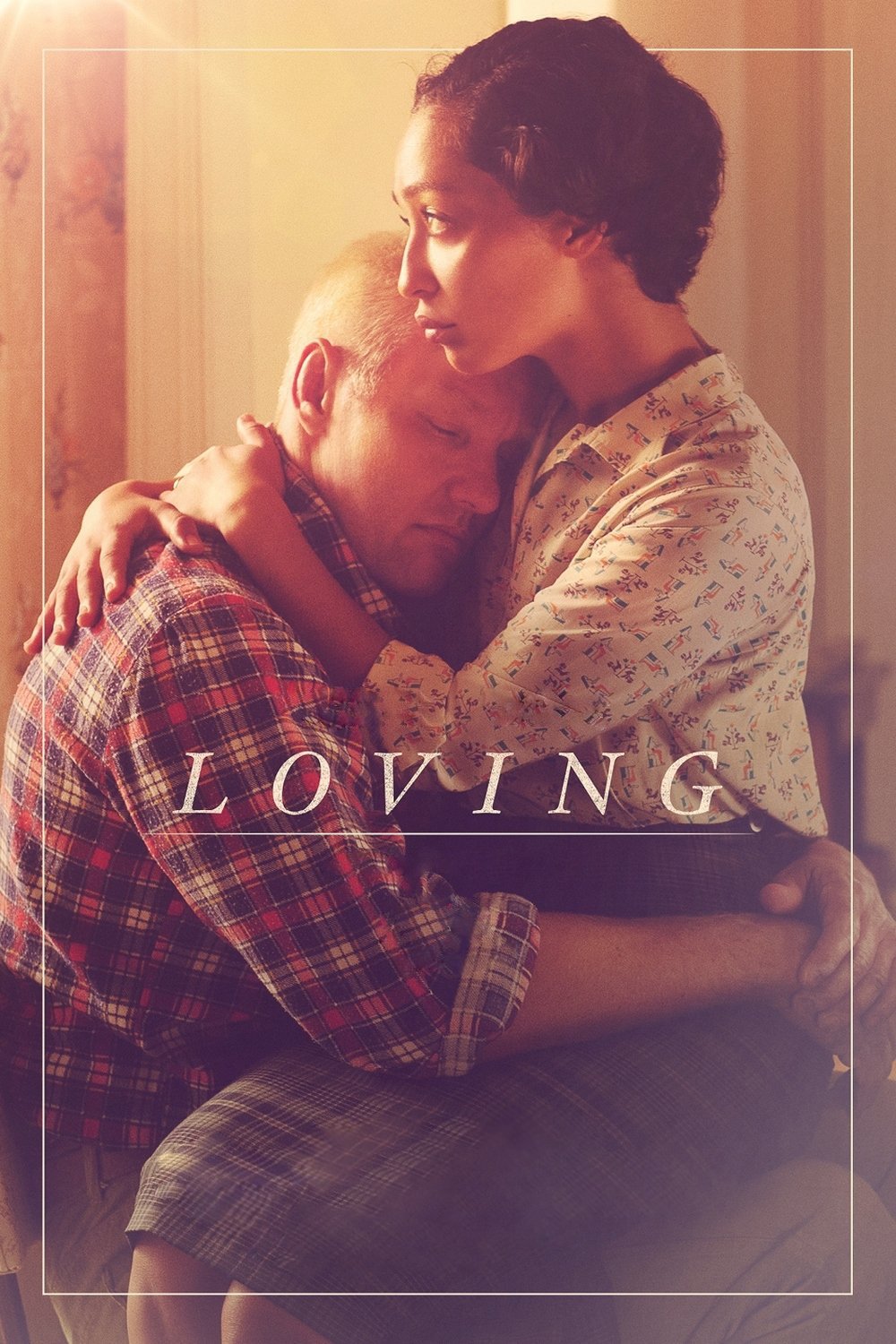
Loving is the true story of the law-making marriage of a white man (Richard Loving, played by Joel Edgerton) and a black woman (Mildred, played by Ruth Negga). In love and with a child on the way, the two get married in Washington DC in the 1950’s, where the marriage is legal, but are arrested upon their return to Virginia where their biracial marriage is illegal. Facing a long jail sentence, they agree to leave the state, but grow to miss all of their family, friends, and way of life in Virginia. They eventually return and try to hide out in a farm house away from town. When they are again discovered, they finally turn to the courts for help, with their case going all the way to the Supreme Court. A heart-warming film, even if there are some rough patches. Negga is brilliant and deserving of the award nom’s she received (and on a side note, since I first noticed her in Marvel’s Agents of SHIELD a couple years ago, she has seemed to pop up suddenly in movies and tv shows all over the place). However some of the supporting actors are truly terrible, almost appearing to read lines off the script with little emotion. Also, the film does drag. At one point I thought this whole story could be told in a 30 minute documentary instead of a 2 hour film. Still, it’s an important story to hear, with lasting implications for equality.

Bleed for This is an all-right boxing drama, based on the true story of Vinny Pazienza. Vinny, as played by the continuing-to-rise star Miles Teller, is at a crossroads in his career, having been a former championship boxer, but now facing a series of defeats. After a huge comeback win to put him back on top, he is immediately involved in a bad car wreck, resulting in a broken neck that nearly paralyzes him from the neck down. Refusing to have his neck bones fused, which would prevent further injury but also end his career, he slowly rehabilitates back to fighting shape. Teller is fantastic and well deserving of praise, but the film relies on a few too many cliches. I like to root for the underdog without the film telling me to root for him, if that makes sense. Not a bad movie overall though.
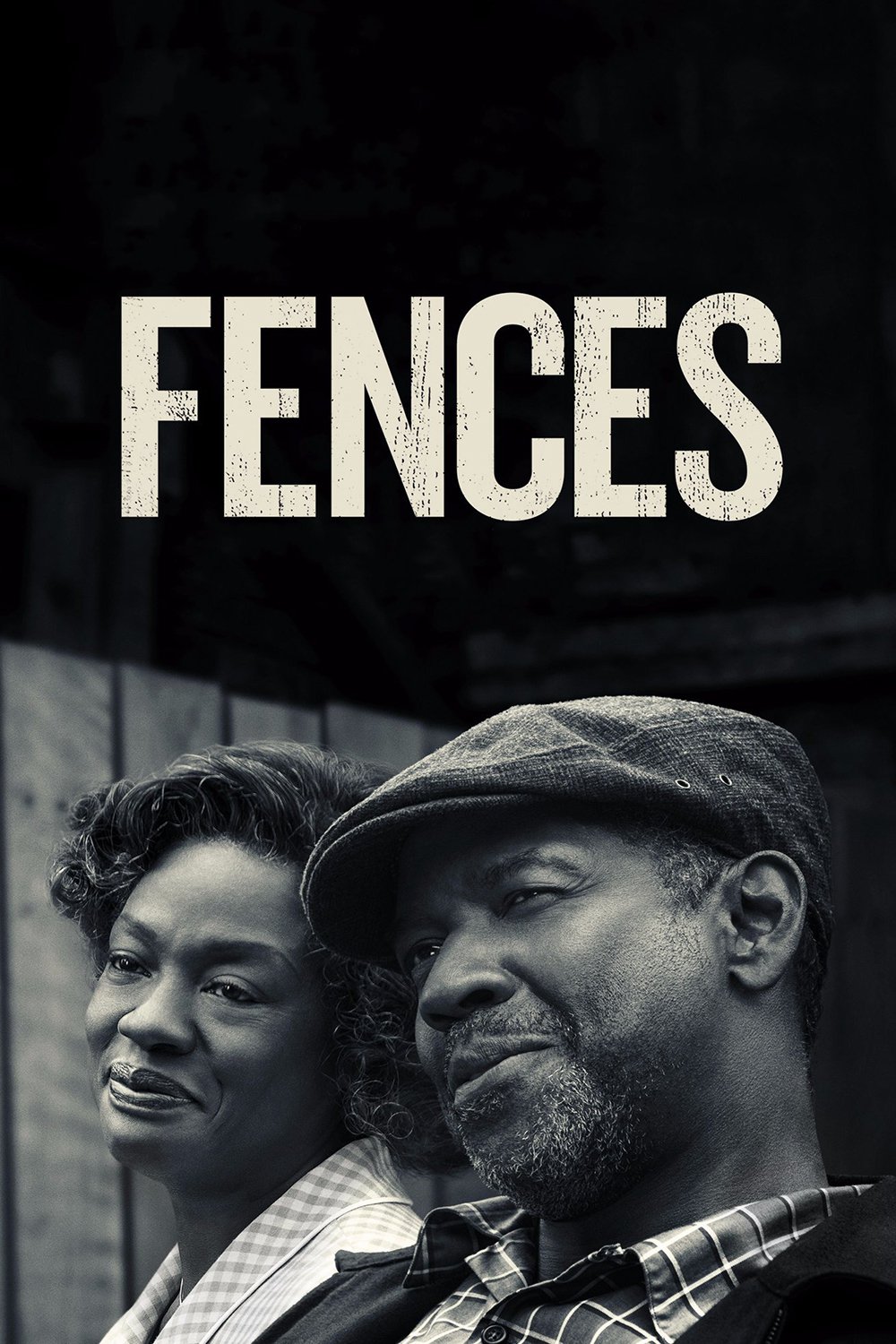
Fences is brilliant. You know what to expect from the esteemed Denzel Washington, but the whole cast is great here. A lot of overarching themes in this film, but most significantly for me was the changing way of life, and attitudes of and about the black community in the 1950’s. Denzel plays Troy, an aging father who thinks highly of himself, and enjoys his life as “man of the house” and center of his universe, and thinks all things in his household should revolve around him. He reminds everyone that he could have been a great ballplayer, but wasn’t given a chance because of the color of his skin, and everyone seems to let him live out this (possible) fantasy. His outlook of life faces opposition though when his growing son tries to tell him that times are changing, and black men can make change and do more than submit to the way things have been. Absolutely stunning acting in this film, with harsh dialogue (more “N” words than a white suburban boy is comfortable hearing), but a fascinating tale. There are scenes so full of emotion, you can help but gasp aloud and get choked up.

Train to Busan is a unique twist on the zombie apocalypse movie. This Korean film has the lead characters on a train bound for another city when the breakout happens. In “newer” zombie fashion, these aren’t your slow, sluggish crawlers. They run and jump and chase down the survivors. The living people on the train fight the zombies and each other, being picked off one by one through the film. It is a thrilling movie, and the new take on the classic tale is just different enough to keep you engaged. A good, gripping film.

Marguerite is a touching, endearing film for foreign film lovers. It is based loosely on the story of Florence Foster Jenkins, the opera singer of the 1920’s who thought she was great, when in reality she was anything but. This is the second film about her, the other being the American film starring Meryl Streep. I didn’t much care for the Streep version, which played more on the comedic value. This French version though is much stronger. Instead of in America, the movie changes the backdrop to post-war Europe. Instead of focusing on the idea that Marguerite can’t sing and everyone snickers behind her back, this version instead looks at why she is trying to be a singer. She is lonely, in an unloving marriage, and really only sings in public at the urging of her staff and supporters, who have their own agenda. The viewer really feels for her plight. A strong film, though a heartbreaking one.

 Jons Movie Takes
One thought on “Quick takes on 5 films”