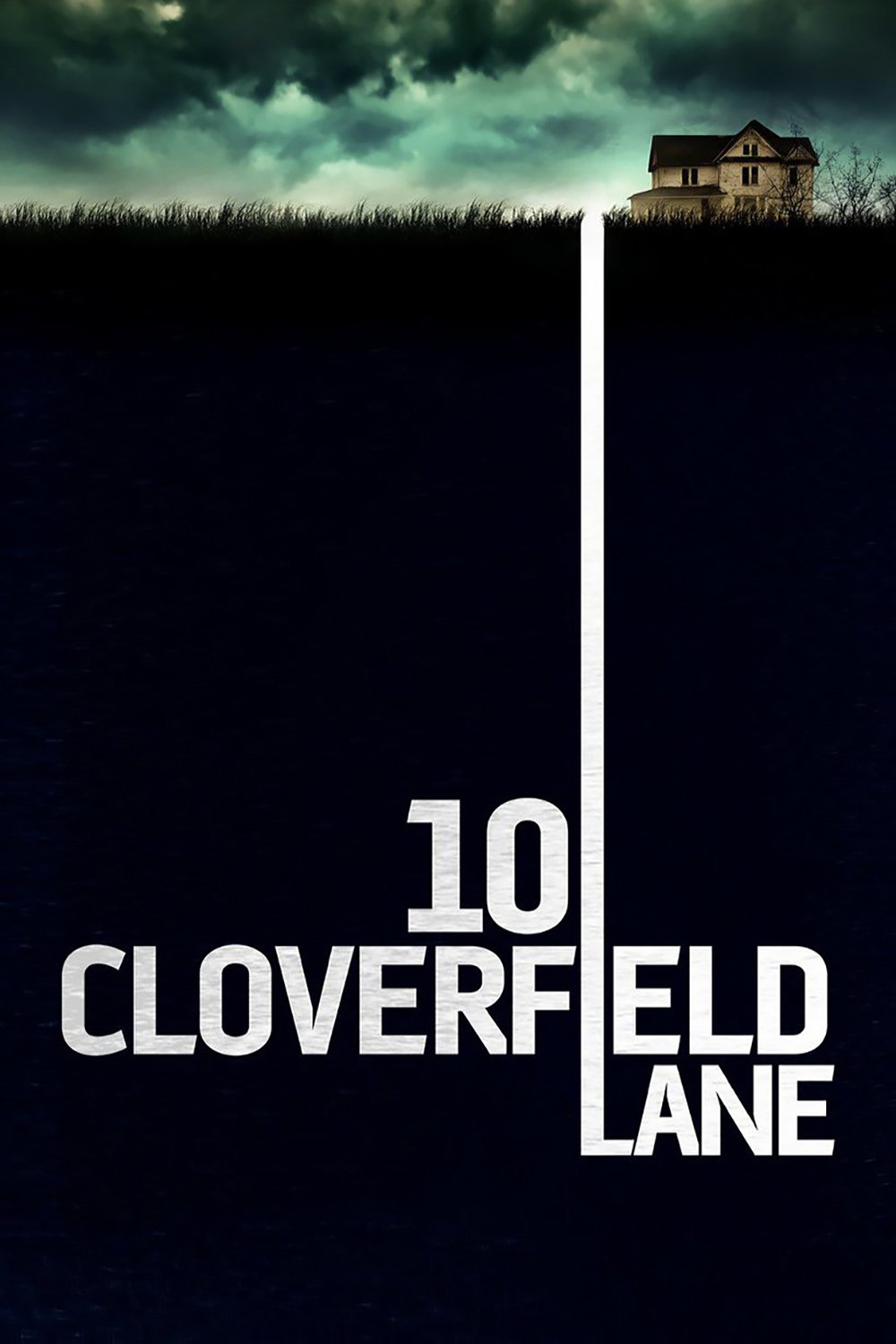
I really like the first 3/4’s of 10 Cloverfield Lane, and thankfully the ending doesn’t ruin it for me. Michelle is traveling on a country road late at night when she is in a car wreck. She wakes up in a bomb shelter of sorts, held captive (obstinately for her protection) by Howard, who tells her something has wiped out all life above them, whether it is nuclear or chemical. The other resident of the shelter is Emmett, but we don’t know his story until later. The first part of the film is tense throughout, as we don’t know Howard’s (or Emmett’s) true nature or purpose in all this. When Michelle does leave the shelter, the movie (for me) went a little south, I much prefered the nail-biting “what’s gonna happen?” closeness inside. Still, a good film and a different take on disaster movies.
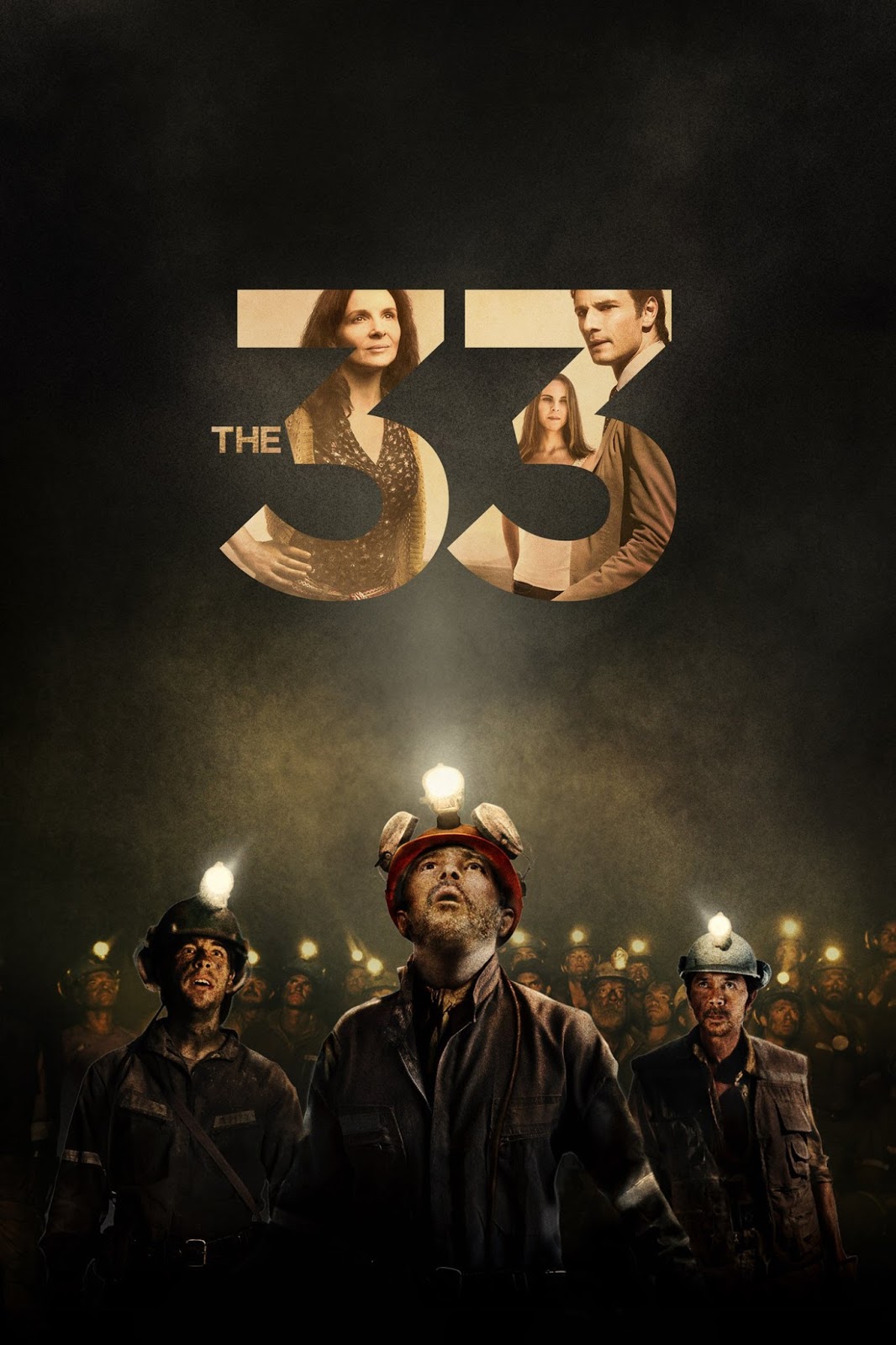
The 33 tells the story of the mine collapse in 2010, in which 33 miners were stuck underground for months while a rescue plan was concocted. Has a recognizable cast led by Antonio Banderas, but the acting takes a second seat to the story itself. You feel their plight, and while parts do start to feel rushed towards the end, it is forgivable as there’s only so much you can show underground when there is nothing for them to do but wait. A solid movie worth a watch.
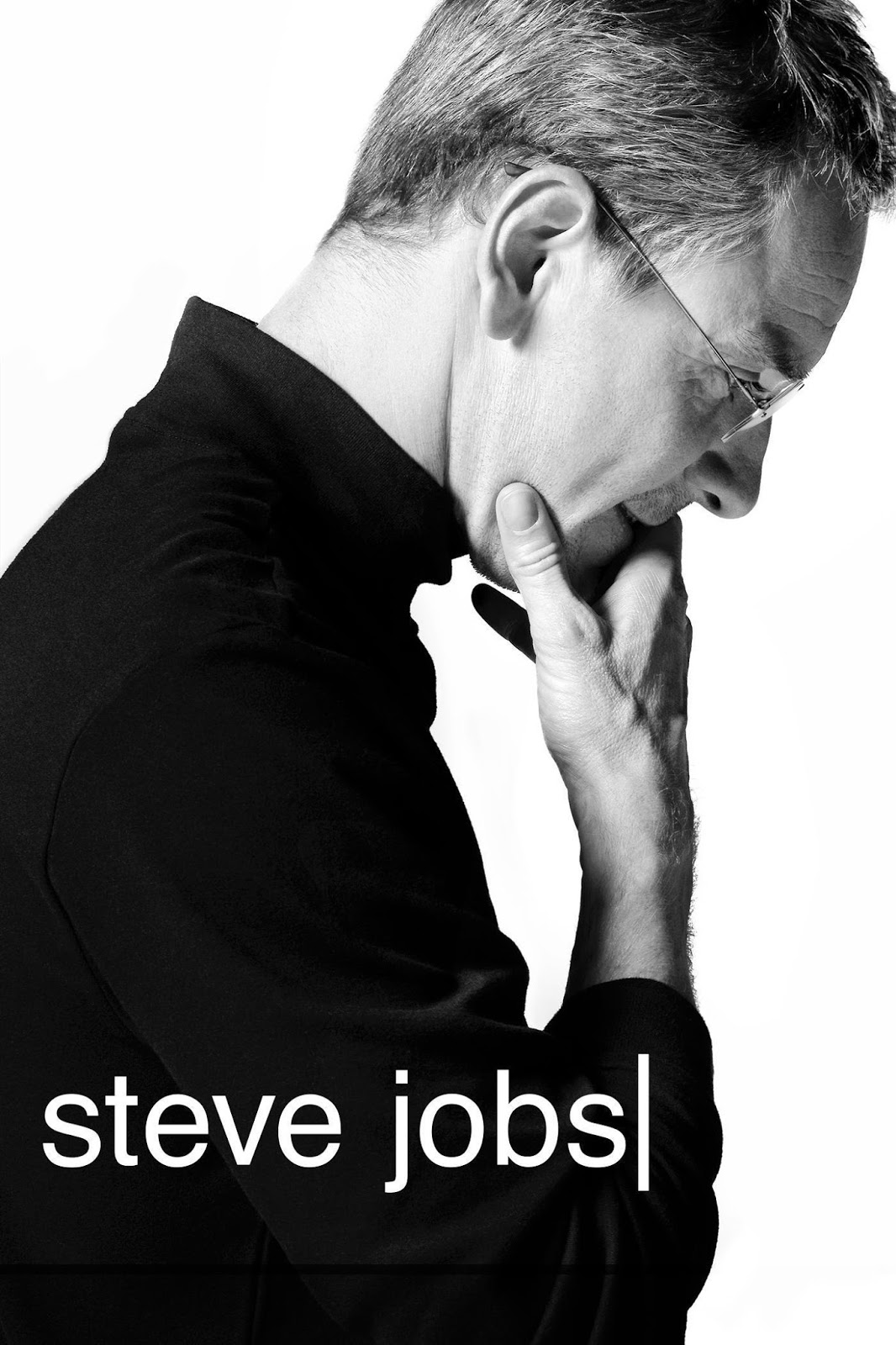
I really enjoyed Steve Jobs, more than the earlier “Jobs” movie that beat it to the theaters by a year. Whereas the other was a true biography-like movie, this one focused on 3 specific times in Steve’s life. Written by Aaron Sorkin, behind the great The Social Network a couple years ago, this movie is brilliantly written and finely acted by the undervalued Michael Fassbender. The film shows the launches of the Macintosh computer (following the genre-changing 1984 superbowl ad), then the launch of his second company NeXT, and finally with the launch of the iMac. The movie doesn’t pull any punches, it doesn’t try to paint Jobs as more than he is, which is a fairly flawed man but genius all the same.
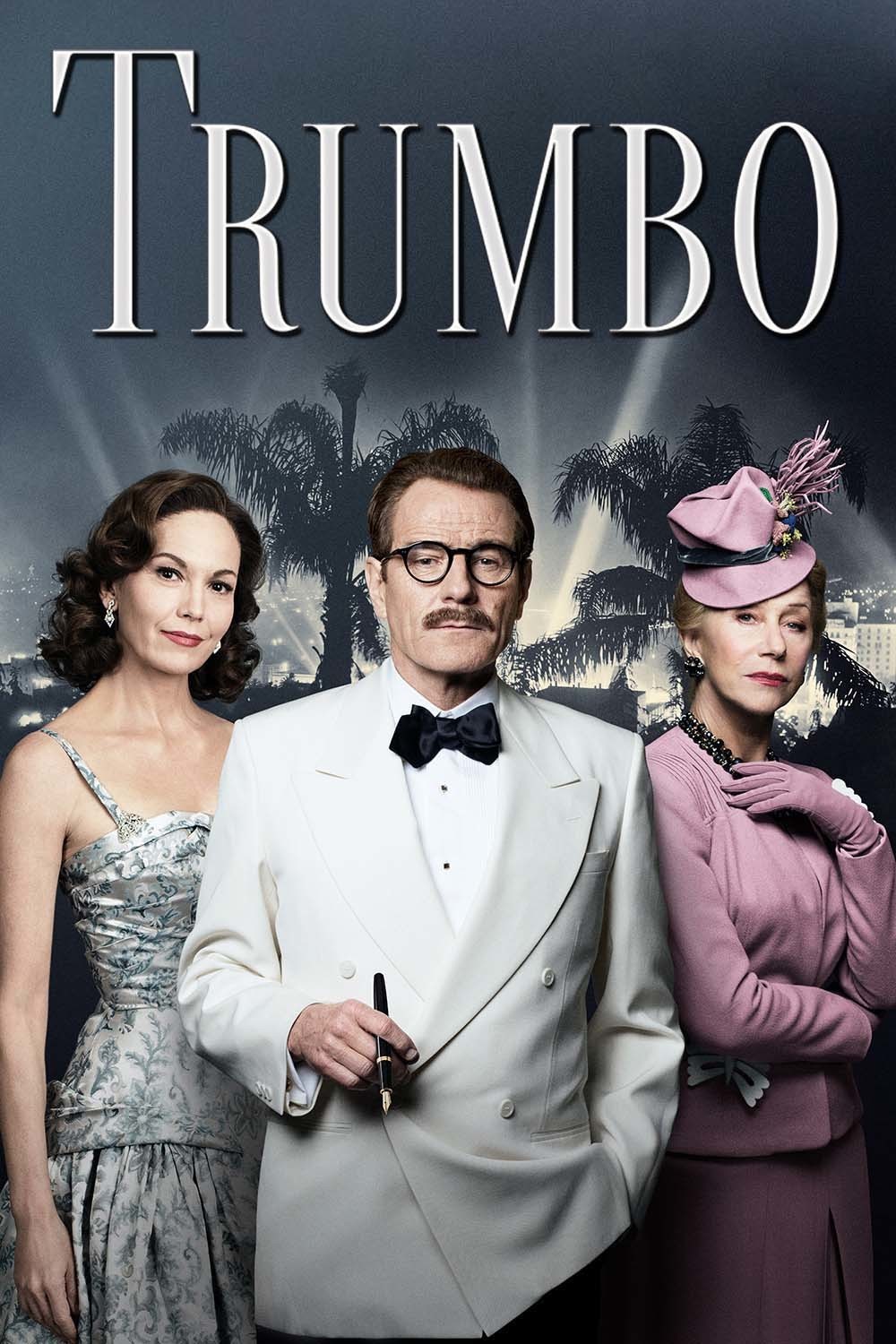
Trumbo is one of those films that is well acted, well written, and engaging while you are watching it, but when it is over, I just sort of shrugged and said, “Yeah, ok.” Telling the life of Dalton Trumbo and the blacklisted Hollywood writers during the Communist witch hunt of the 50’s and 60’s here in the USA, it stars Bryan Cranston (Breaking Bad) as Trumbo, with many other A-listers as his friends and enemies in the film. Obviously that era was well before my time, so I learned a lot and enjoyed the film while watching, but it didn’t leave a huge impression on me at the conclusion.
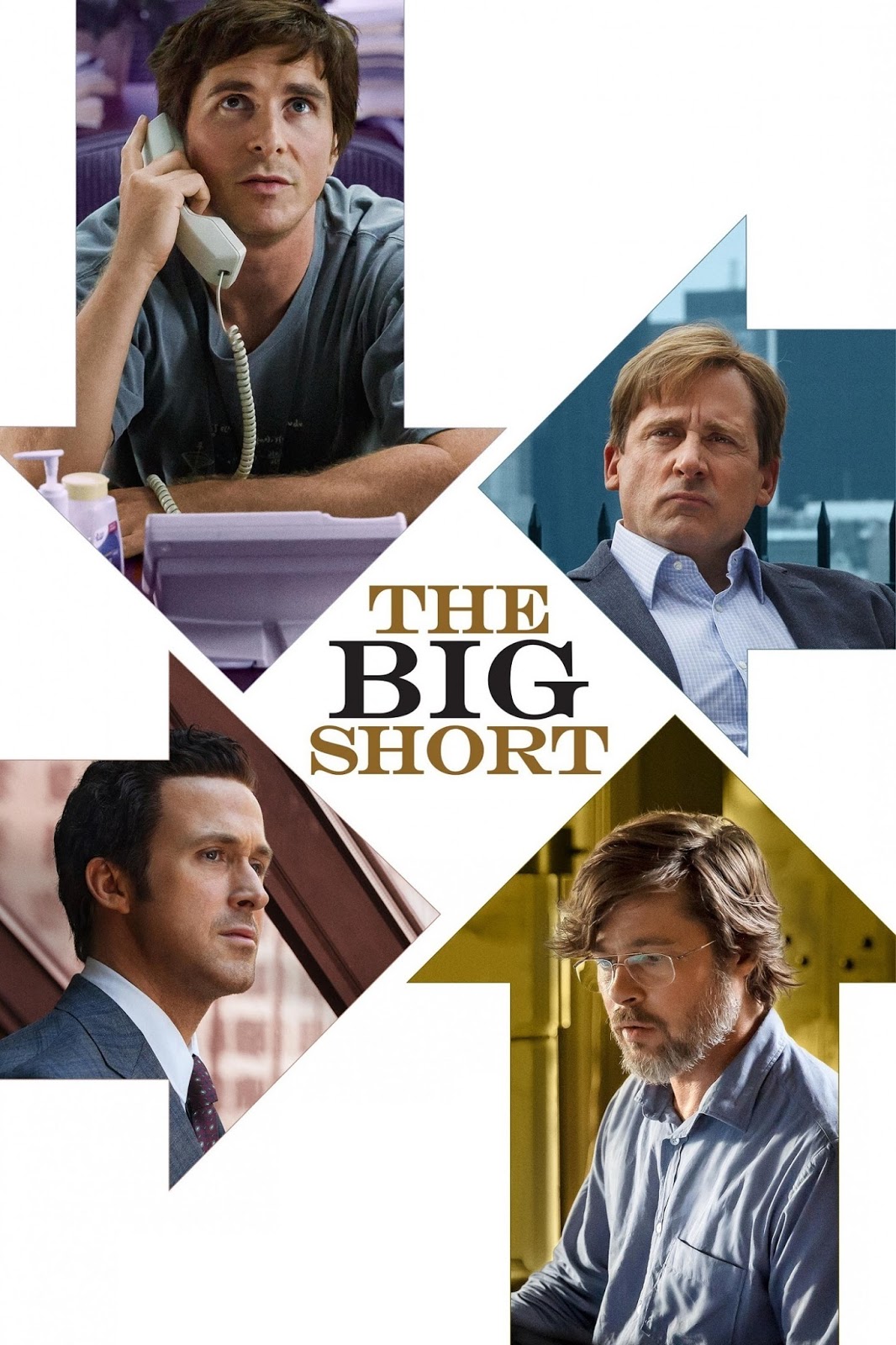
The Big Short on the other hand did. This is a great movie, telling what led to the housing market crash of 2008. This one is in my era, and like most Americans I knew the basics of what led to everything falling apart, but this film breaks it all down and makes it entertaining too. Written as almost pseudo-documentary (there are scenes where actors play themselves, breaking the fourth wall to explain legalize to the viewer), The Big Short follows a couple investors that see the writing on the wall with the housing bubble, and either attempt to warm for or profit from the impending collapse. Along the way we see how truly corrupt the whole system was (and lets not fool ourselves, still is). At the end, I felt dirty like I’d been wallowing in filth with the rest of them, but the grotesqueness of it all did move me. A tremendous film.

 Jons Movie Takes