5 more quick film takes

This is a hodge podge of movies, something for everyone in here!

Best of Me is the latest Nicholas Sparks book-turned-film. It is more of the same from Sparks, meaning if you love his films, you will love this one, and if not, it won’t sway you. Parts are good, if entirely expected, but overall it is just another tear-jerker. Dawson is a good kid from a bad upbringing. He falls in love with Amanda, but before they even have a chance, circumstances put Dawson in jail, where he tells Amanda not to wait for him. Flash forward 20 years, and they run into each other again. The back story is told in flashbacks so you get bits and pieces as you go. I thought the middle of the movie was the best, and the end was a whole lot of cheese. Not my cup of tea, but my wife would love it.

A Most Violent Year is a gripping crime drama, taking place in NY in the early 80’s. Abel Morales owns a fuel company, and is at a crucial moment in his company’s future. He has grown it from humble roots, and needs to buy a plant to expand it, or it will stagnate. Just as he is about to close the deal, his company comes under scrutiny by the government for tax evasion and under-reporting, while at the same time his fuel truck drivers are being ambushed and beaten, and the trucks stolen and fuel robbed. Throughout the film, he tries to do things on the up and up, not wanting to get aid from the mafia or make under-the-table deals, and while they are guilty of cooking the books, he doesn’t want to take drastic steps that will land him in trouble with the cops. His wife Anna on the other hand, seems to be more of the mind to do whatever is necessary for the company to grow. Multiple events come to a head at the end of the film. It isn’t a heavy action mob movie, but it is tense in a quiet sort of way, and at the end, you realize that Abel, like Anna, will do whatever it takes to get ahead.
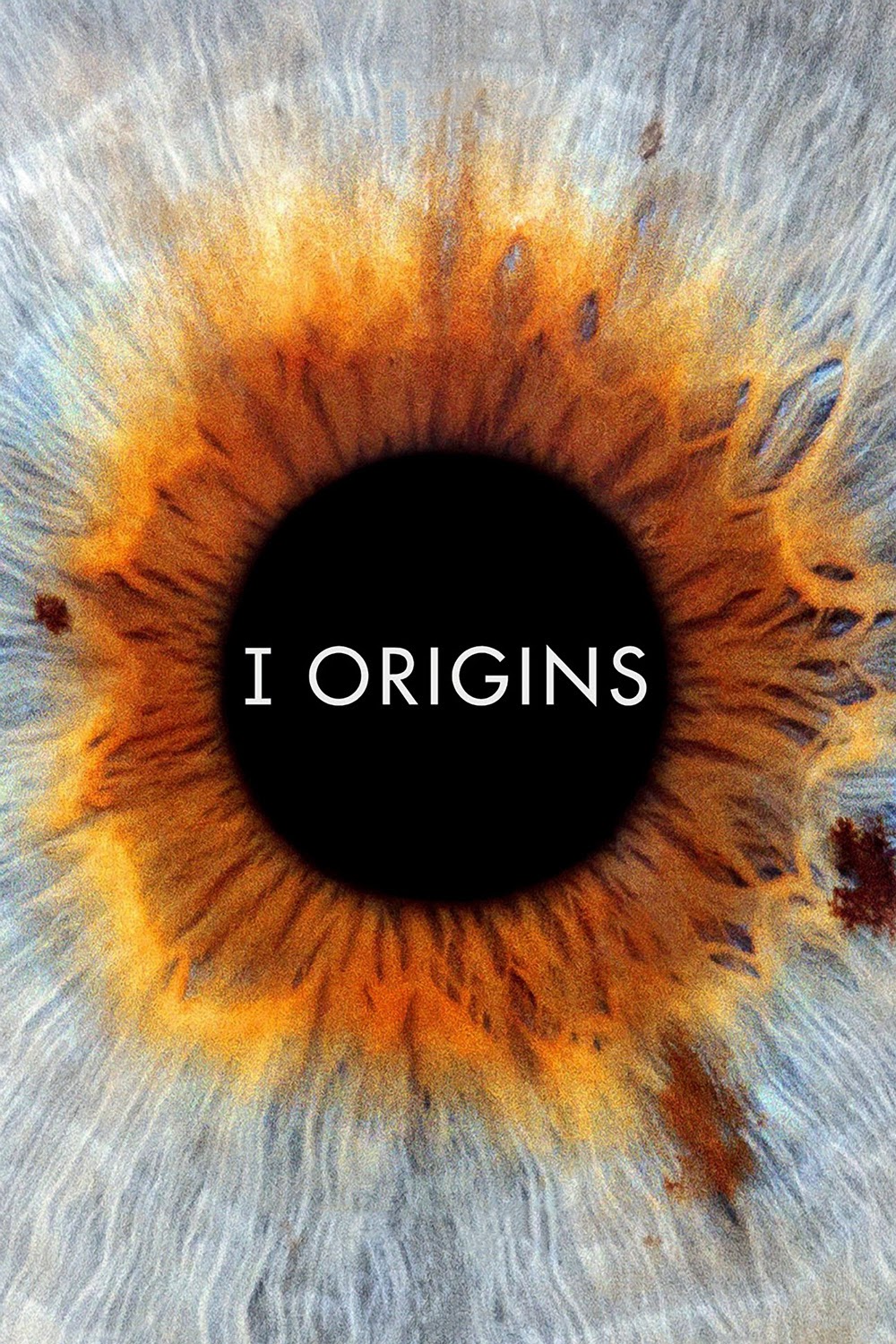
I Origins is a fascinating movie. It starts out as science but turns into science fiction by the end, with a tremendous premise. Ian is a molecular biologist, trying to find the origin of the eye. If he can prove mutation in each stage of the eye, from the most basic eye in animals to the most complex in the human eye, he can discredit religion that believes in a God that designed us. He is aided by lab partner Karen. Ian’s course is almost thrown off when his love Sofi is killed, but with Karen’s help in the lab (and as a new love interest), he continues on and eventually their work proves successful. His own theory takes a hit though when their child is born. When they scan his baby’s eyes (a new iris scanning system going in to place around the world), they find an exact match for someone that had previously died. This is supposed to be impossible, as no two eyes are ever supposed to be alike. On a hunch, they scan Sofi’s eyes from a photo, and find a match for a child born after her death in India. Ian takes off to see if a higher power after all is running the show. This film is a bit slow at times, but for nerdy types like myself, the mix of true science and fun science fiction is a unique mix definitely worth watching.
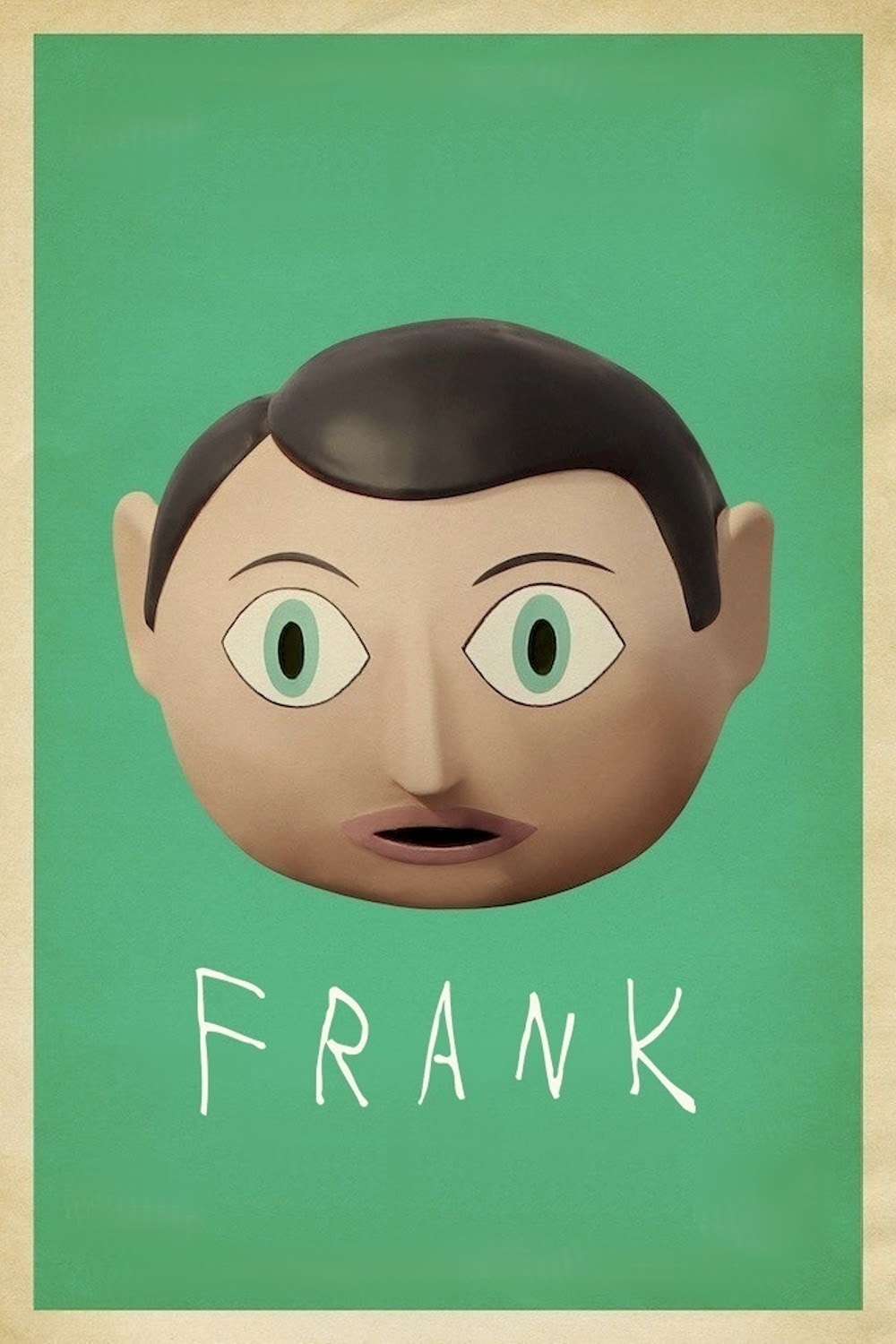
Frank is an interesting film with a great cast. Jon is an aspiring musician who hooks up with a band needing a keyboardist. The band is made up of misfits who all seem to suffer from some sort of mental illness or another, and is headlined by Frank, who has been wearing a large paper mache mask for years, never taking it off. Very quickly the band ends up in a secluded cabin to record an album, making all kinds of weird noises for their style of “music.” Jon is inspired by Frank who can find music in anything, and he longs for some personal anguish or trauma that he thinks will give him a foundation for the creativity inside him. When success starts to find the band, they begin to fall apart. This movie has a much deeper meaning that you think from the outset. While funny and quirky in the beginning, it loses all of its laughs about 2/3’rds through, and gets really dark by the end, which can turn some viewers off. I thought it was great through.
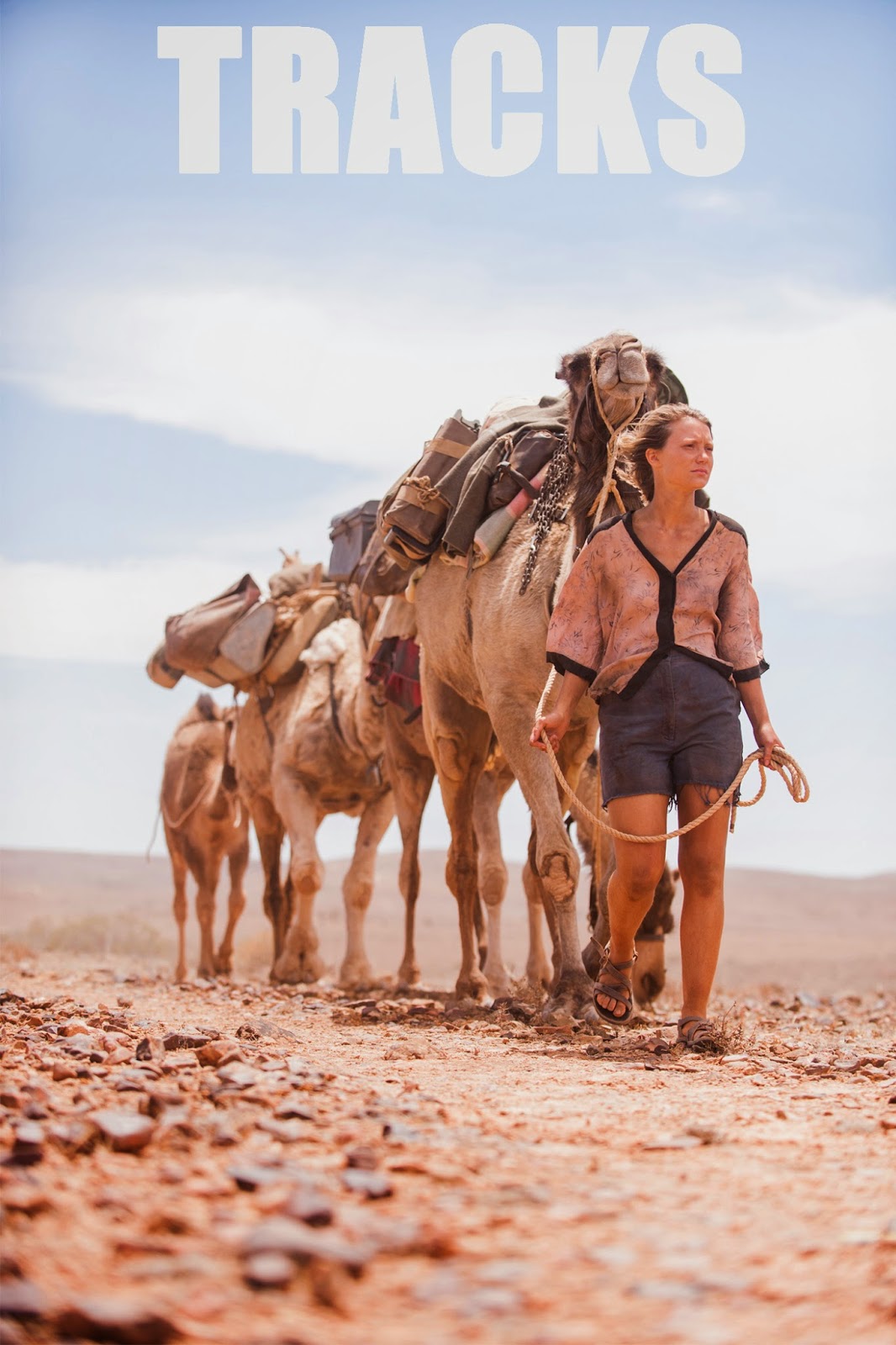
Tracks is the based-on-a-true-story hike of Robyn Davidson, who set off from Alice Springs, Australia to walk 1700 miles through the Australian outback and deserts to the Indian Ocean in the mid-1970s. No offense to Cheryl Strayed, but this was the wild before Wild. Robyn spent days and weeks without seeing a single person during legs of the trip, across harsh, rocky, and finally sandy dunes, desert terrain. She is photographed along the way by Rick, for a story for the National Geographic, who drives ahead to meet her at times and resupply her with water. In the film, she is making the trip to move forward past demons, of her mother hanging herself, which prompted her to be sent off to grow up among distant relatives and finally boarding school. I think as a film, Wild is better, but you certainly get more of a sense of loneliness and near-hopelessness in Tracks.
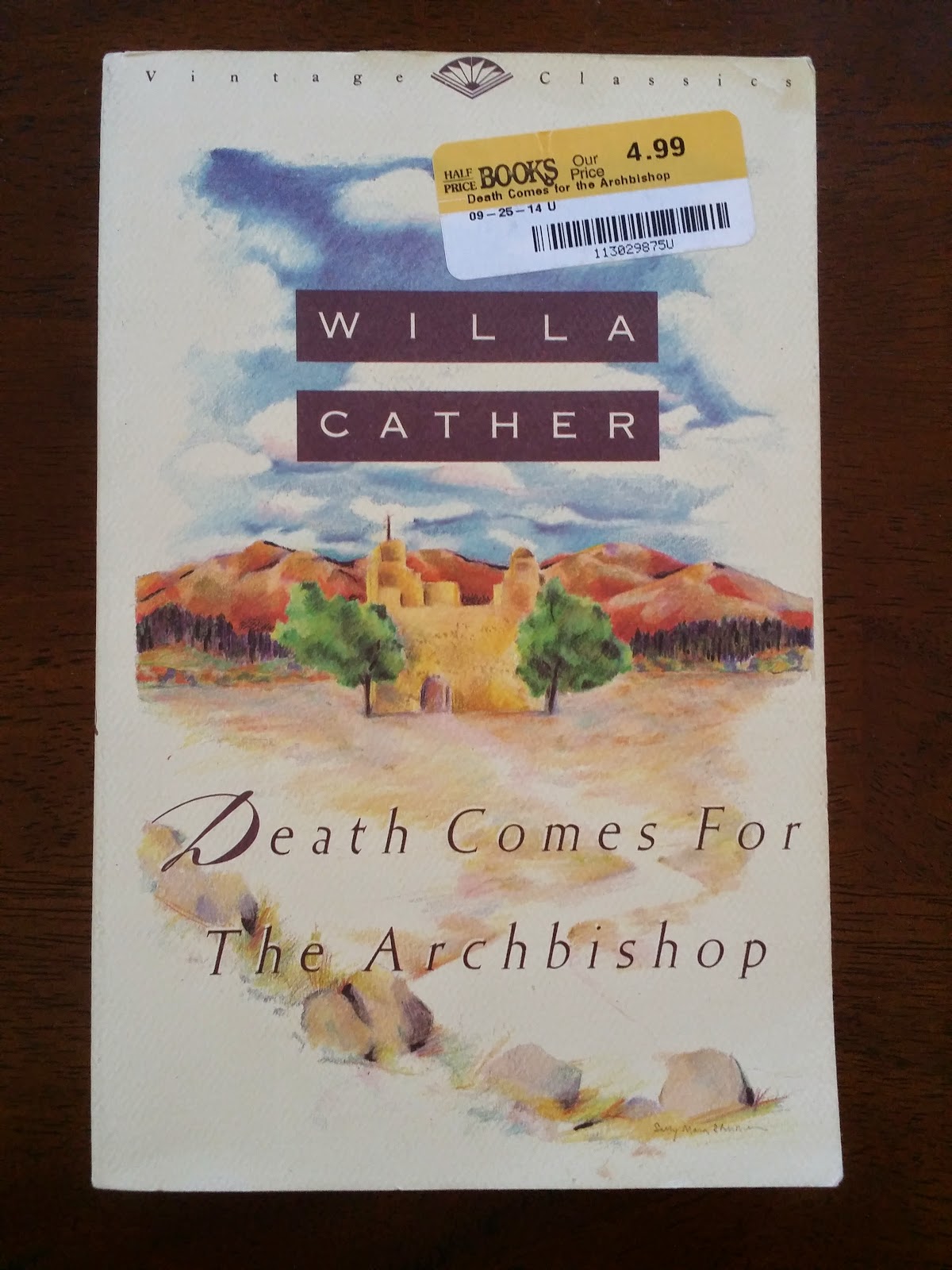
A quiet but important life in Death Comes for the Archbishop

Death Comes for the Archbishop was released in 1927, written by Willa Cather. It tells the story of Father Latour, a missionary who is made a bishop and sent to the newly USA-acquired New Mexico Territory to set up a diocese. He must balance the local Mexican and Indian (primarily Navajo and Hopi) groups, which seem open to God’s word (the Mexican population especially, having passed down Catholic traditions from a couple generations back, from the original Spanish explorers), while facing some opposition from protestant Americans who are increasingly moving to the new territory. He also must fight the entrenched clergy all ready there, who care more for personal gain than the spread of the church. Latour is aided by his longtime friend, Father Vaillant.

The book is spread out over many years, many of which are rushed by in the blink of an eye, while some events are closely examined. Latour makes it his goal to build a true cathedral in Santa Fe, while Vaillant is more for the people, spending most of his time riding out in the surrounding lands to spread God’s word. Vaillant being out so much leads Latour to become very lonely and somewhat more seclusive than he all ready is. Vaillant dies first, and because he has walked so far and made so many friends, his funeral is attended by hundreds, coming from all corners of the territory. Finally as an old man, Latour dies as well. He had a choice to spend his last days in his home in France, but chose to stay in his new country. His funeral is less attended than Vaillant’s, but he is laid out in the cathedral that he was finally able to build.

This book reads almost like a biography, rather than a novel, and is (probably loosely) based on the life of Jean-Baptiste Lamy. There isn’t an over-arching story tying it all together, other than just Latour trying to build a solid foundation for the church in the west. For history buffs, it is an entertaining read, it shows a pretty crisp picture of the daily struggle just to get by when there is nothing around you. It is also a fascinating look at the local groups that inhabited that area, and how they had to weigh this new God with their longtime traditions. It is a shorter book and a quick, very nice read.

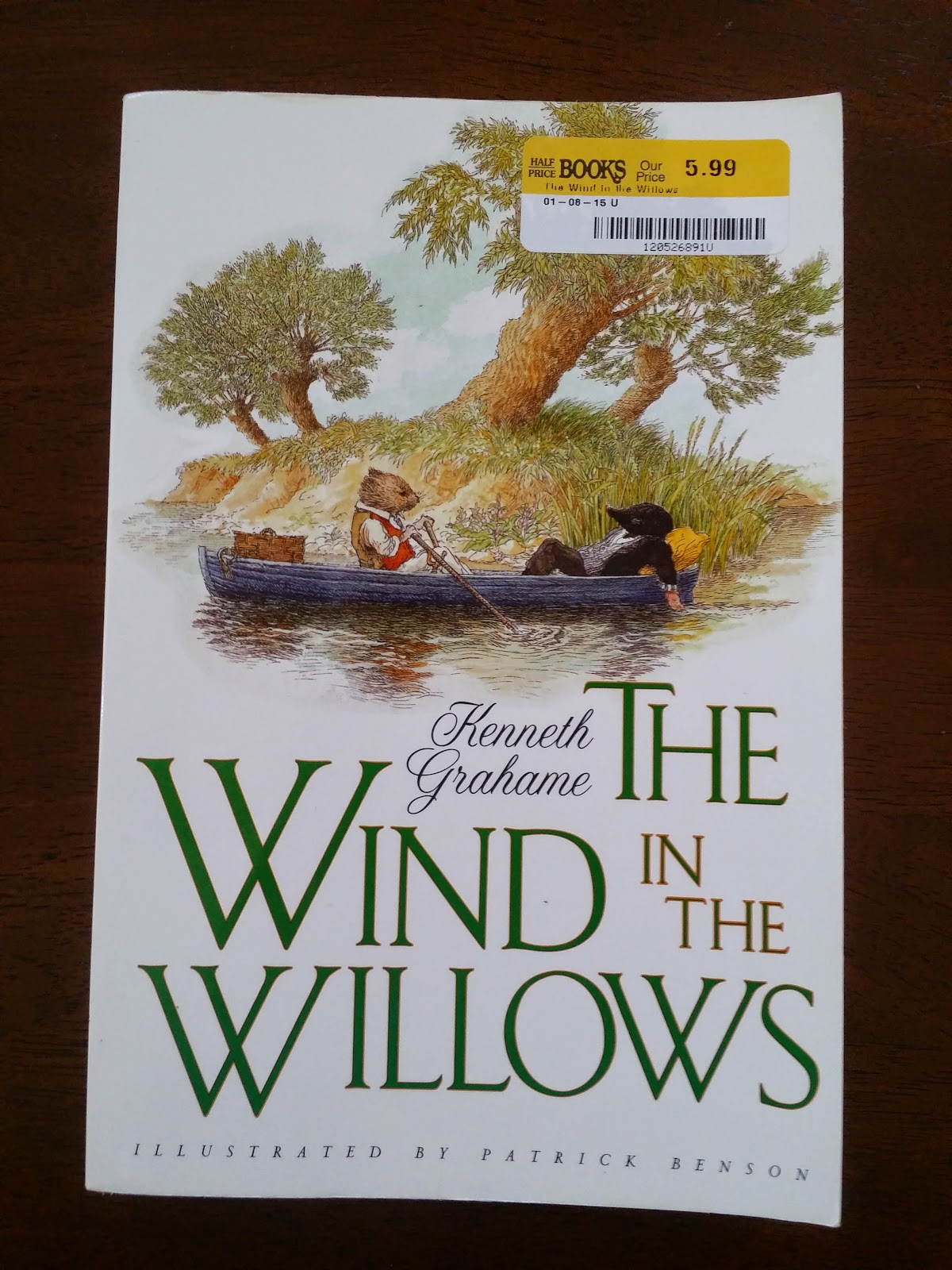
Toad, Mole, and their friends come to life in A Wind in the Willows

A few children’s books are on my list of 100 greatest 20th century novels, and this was the first I’ve read. A Wind in the Willows tells a couple years of some friendly animals living their lives. In the beginning, Mole feels some wanderlust and leaves his little corner of the world for an adventure, and ends up at The River, and meets Rat. Rat introduces him to Toad, Otter, and Badger, all with their unique personalities. There are adventures along the way, for instance the time Toad steals a car and gets thrown in jail. Each character shows different traits to the reader and others, and individually (and as a group) they exhibit all the human emotions that plague us.

This is a well written book, and reading it is a stark reminder of how childrens books have changed since it was published in 1908. Very young children will laugh at the antics of Toad, while slightly older kids will get more meaning from Badger and his practical approach to friends and life, but in both cases, the book isn’t dumbed down. It challenges kids to think a little more than they typically will in today’s force-fed picture books. My parents always read to my brother and me when we were little, and reading this was like stepping back in time.

Quick takes on 5 films

Some more independent films, with some recognizable faces. I’m a big Game of Thrones fan, and if you watch that show, you know the sizable cast. Seems like I see someone from that show in practically every film I watch lately.

Force Majeure is a foreign film, so you’ve got to be ready for some subtitles, but it is a good one. It is about a family on a skiing vacation in the alps. When a controlled avalanche gets a little too close for comfort, it has a lasting affect on the family. The wife’s instinct is to grab their kids and pull them close, while the husband bolts off to save himself. Of course the avalanche was controlled so it never reaches them, but the wife is shaken up and can’t forgive her husband for leaving, while he refuses to admit he was running, only that he “saw the situation differently.” The rest of the film is her badgering him to admit it, and he trying to pretend it didn’t happen. When he finally breaks down, it seems he isn’t the man she thought in more ways than one. I didn’t recognize the leads, but friend Mats is played by Kristofer Hivju, Giantsbane from Game of Thrones.

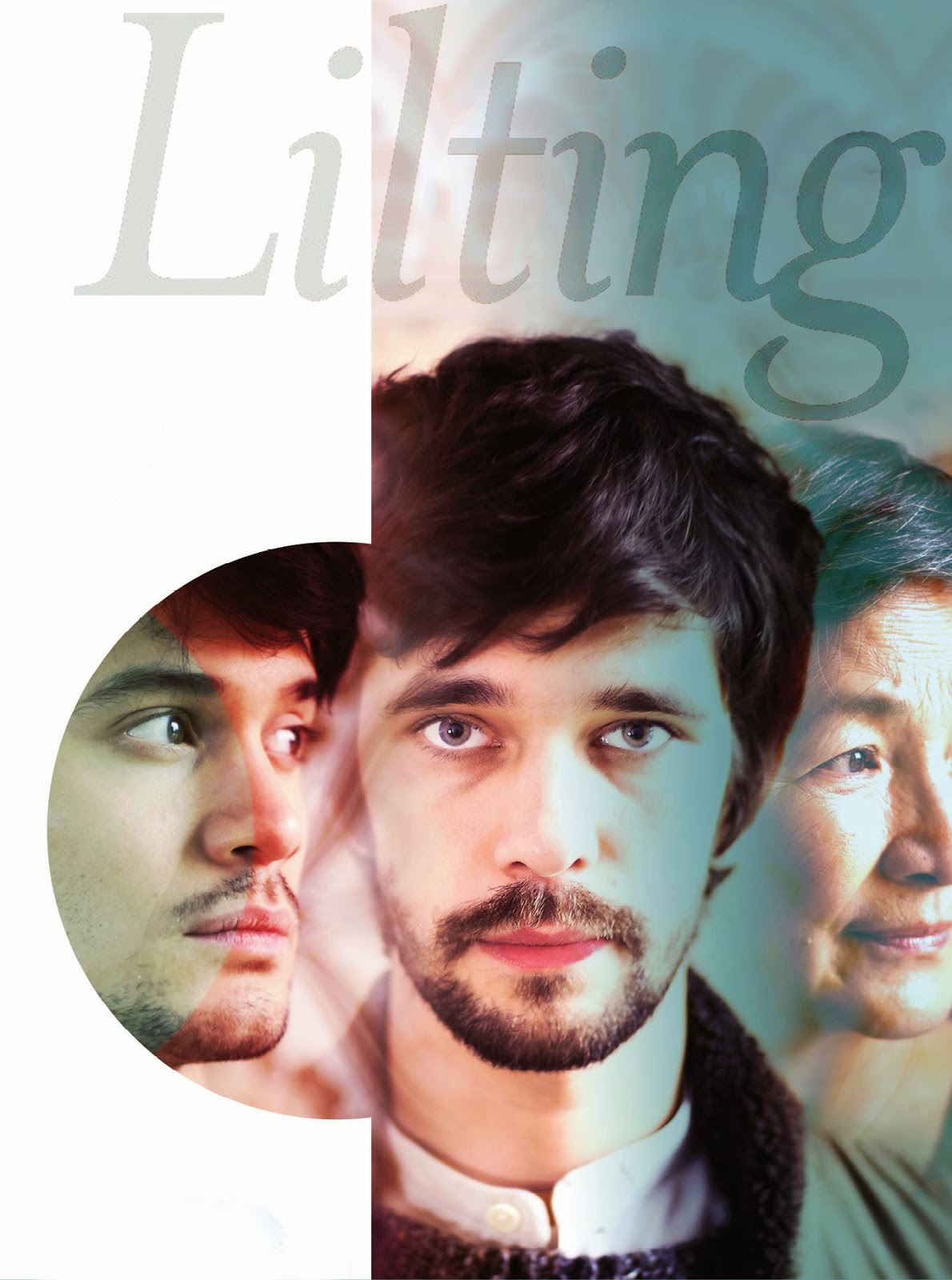
Lilting is one of the most beautiful films I’ve seen in a little while. In it, Junn is an aging Chinese mother, recently put in a care facility by her son Kai because she is showing early signs of dementia. Despite living in the USA for nearly 30 years, she has never learned the language and so feels very isolated. At the start of the film, Kai has just died suddenly, having never told Junn he was gay. Now Kai’s longtime boyfriend Richard is left trying to take care of Junn. He misses Kai very much but can’t spill Kai’s lifestyle so soon, so he has to internalize his grief as he tries to help Junn feel more comfortable in her home. Everyone’s guilt creates a large white elephant in the room that the characters dance around for most of the film. Beautifully acted and very endearing. Richard is played by Ben Whishaw, Q from the newest Bond films.

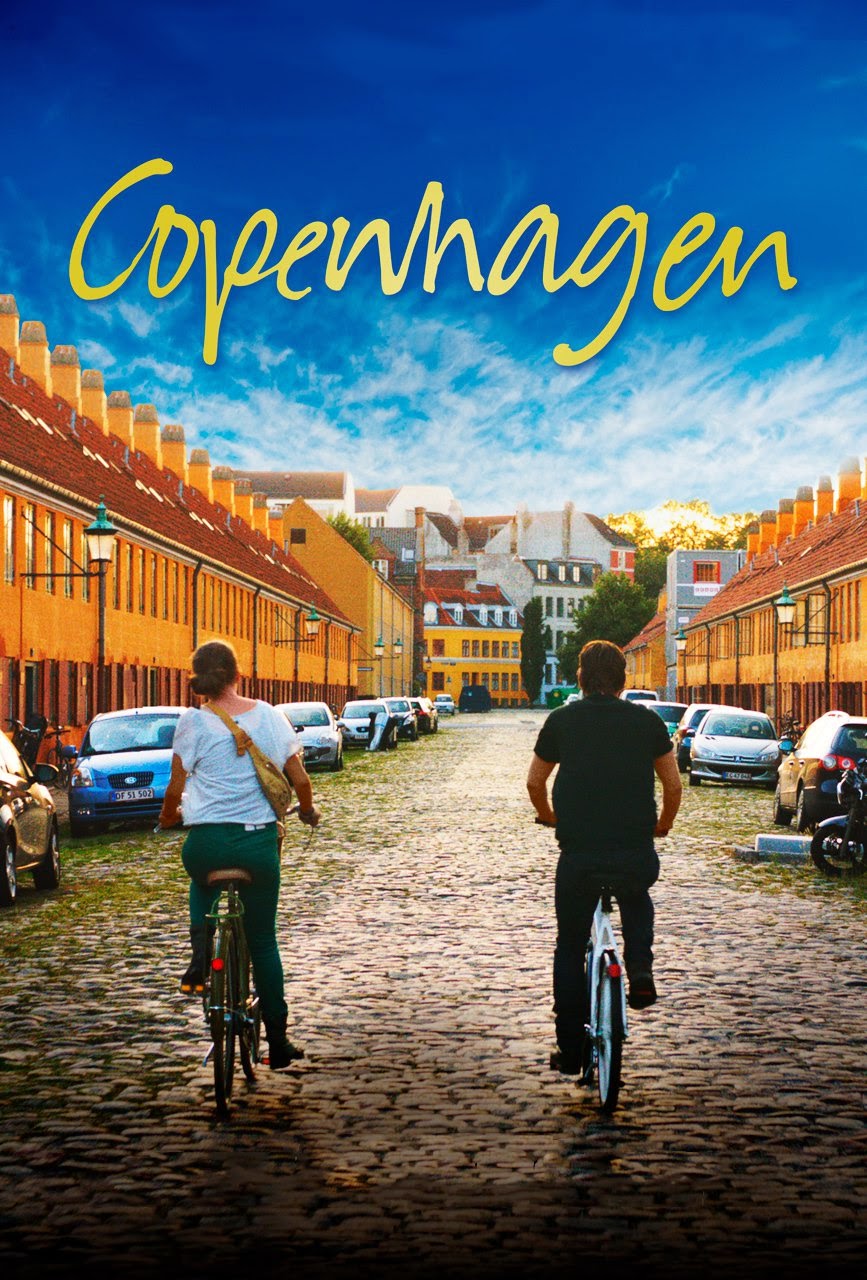
Copenhagen is a bit hard to watch at times. Main character William is a real asshole, sleeping with anyone (even hitting on his best friend’s fiancee), and has a real “don’t care about anyone” attitude. His father walked out when he was a boy, and now as an adult he is in Copenhagen hunting down his grandfather, to try to find some backstory of what made his father who he was. He is offered help by Effy, a local girl there who he finds, after he all ready flirted with her, is only 14 years old. The movie gives a real creeper vibe after that, and you keep waiting for this guy who has no morals to sleep with the 14 year old. By the end he surprises everyone and turns into a half way decent guy. Another low budget, but well written and well acted film. William is portrayed by Gethin Anthony, Renly Baratheon from Game of Thrones.

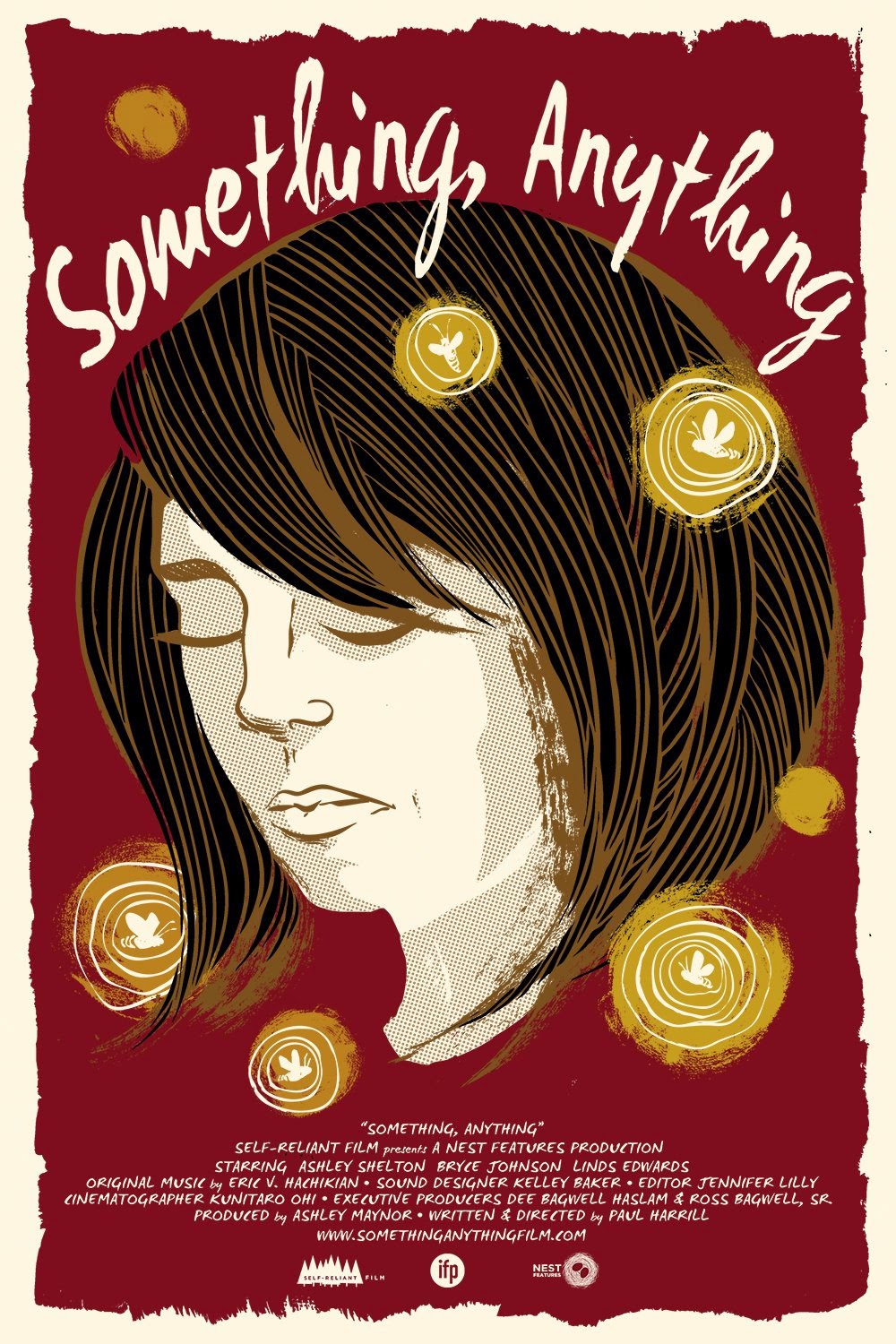
Something, Anything is a much more subtle film. Mark and Peggy are two 30-something professionals that have put their careers first, so they are meeting and getting married a little later. Very quickly he proposes, they get married, and are expecting a child. Almost as fast, she loses the baby in a miscarriage, moves in with her parents, and then gets her own apartment. This all happens in the first 20 minutes of the film. The rest of the movie is her spiritual awakening. Peggy is lost, and not sure what to do with her life now that it has been turned upside down. She quits her successful job and takes an hourly wage position at the library, sells or donates most of her worldly possessions, and starts hunting an old high school friend who became a monk. This is a heartfelt film, clearly showing the difficulty of moving on, and how everyone mends in their own way.

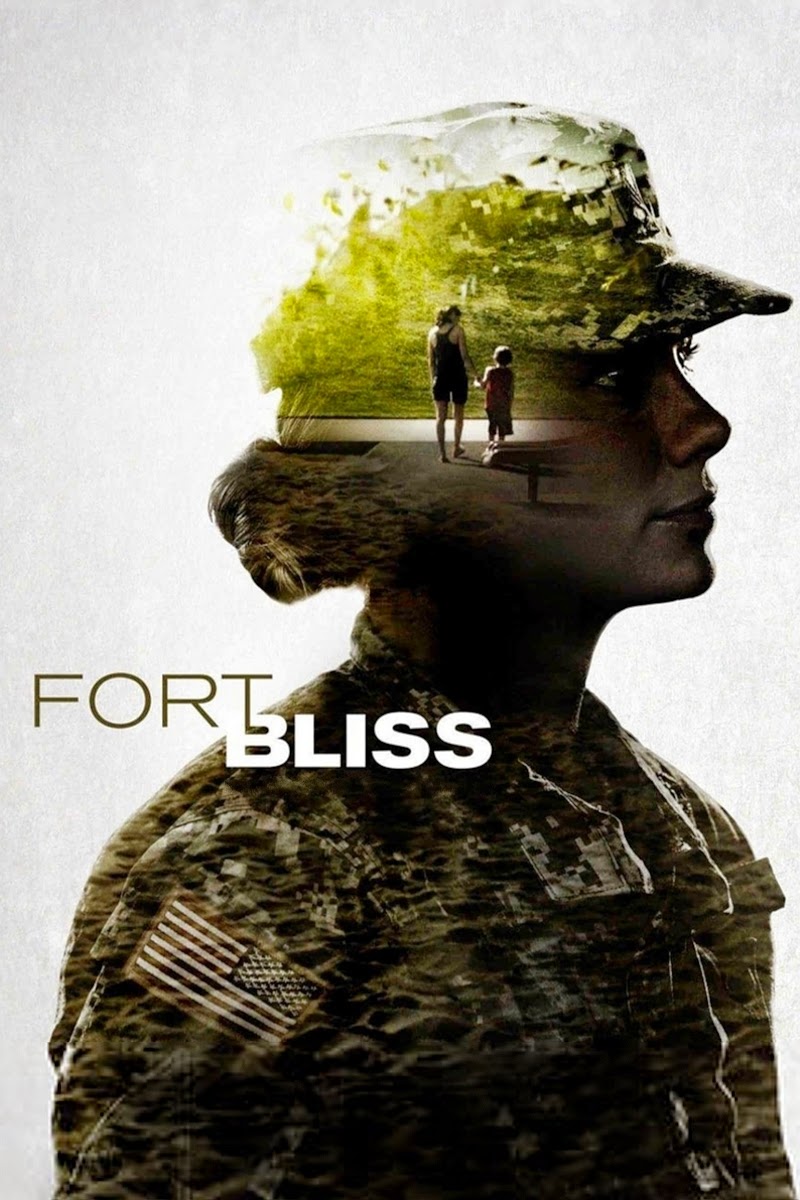
Fort Bliss is about the struggles facing our women soldiers. Maggie Swan is just returning home after 15 months in Afghanistan, to a now ex-husband and a 3 year old son that doesn’t remember her. She can’t find any normalcy, and is haunted by events during her tours, told in flashbacks. At first you aren’t sure if she will pick her family or her country as her priority, but eventually her decision is sort of made for her. The movie is good, though a little paint-by-numbers, and tries a little too hard to pull at the heart strings.

Fitzgerald’s early life in novel form in This Side of Paradise

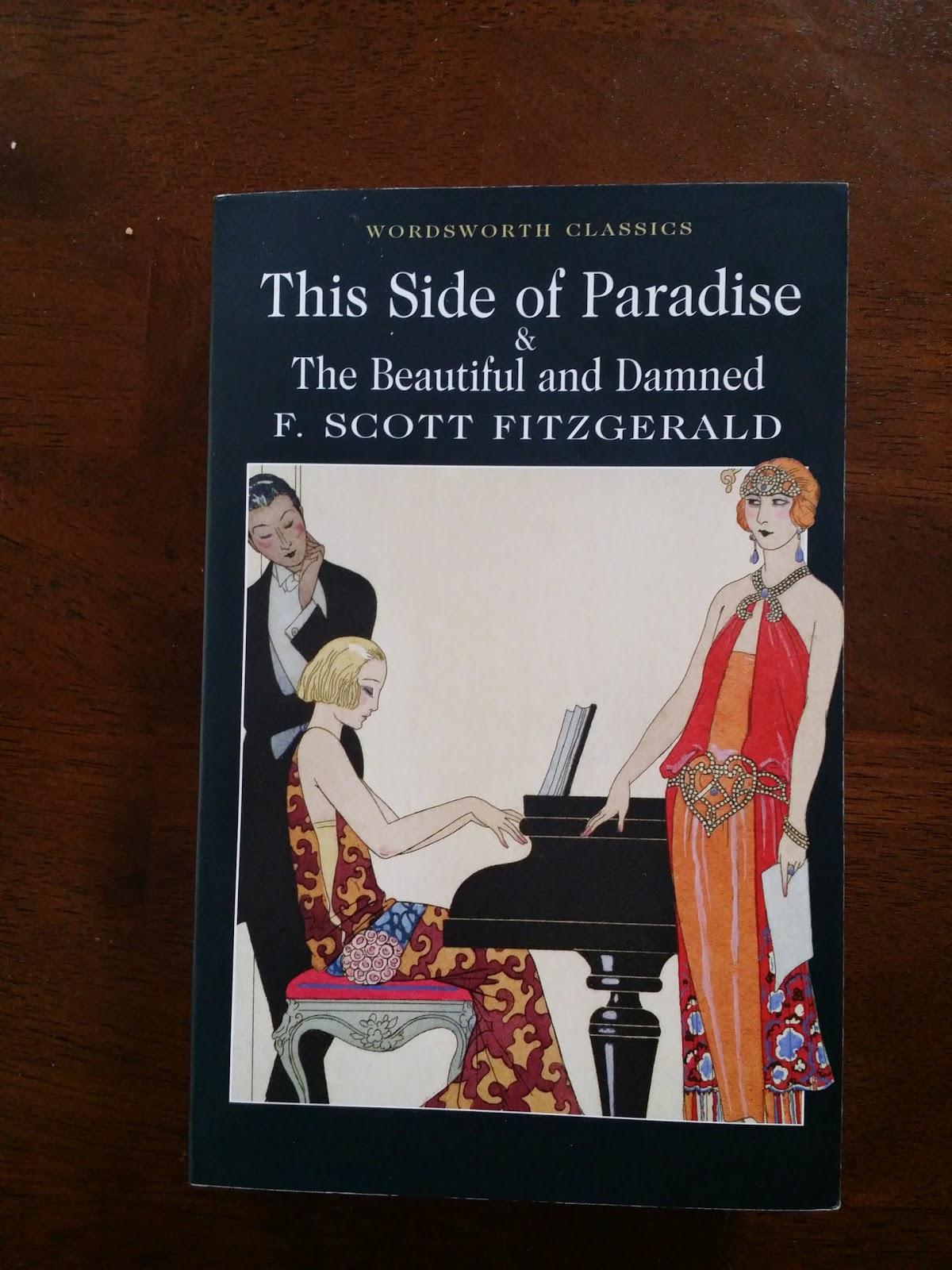
This Side of Paradise was the first novel by F Scott Fitzgerald, published in 1920. The book shared some similarities with his own life at this time. On the surface it feels like a small, quiet little book where not much happens, but it does have deeper meaning and a close look at society at the time, if you care to reflect on it after reading.
The main character is Amory Blaine. Blaine’s father is wealthy but nonexistant, and dies early in Amory’s life. His mother is a bit mad, and treats Amory more as a friend than son, even having him call her by her name rather than “mother.” This leads Blaine to constantly seek approval from others throughout his life, especially women. The main crux of the story is Blaine goes to college at Princeton, falls in love a couple times, and ends up penniless after his mother’s death, due to her poor investments and donations to the church (she was once in love with another man before Amory’s father, who decided to become a clergyman instead).
Amory cares very much for his appearance to others. He cares more that others think he is intelligent, whether he is or isn’t. But at the same time, his bravado is just facade, he actually has a rather low self esteem. He loves poetry but considers himself a poor poet. He values intelligence but is a poor student, not because he isn’t smart, but because he spends too much time going to parties or trying to impress others. Early in his college career he is easily swayed by others’ ideas, but he does develop his own outlook on life by the end of the tale.
He falls in love a couple times in the book. First to Isabelle, though the two end up not liking each other much once they get to know each other. By the time he meets Rosalind, his finances are a mess and he is now the spurned suitor. They love each other very much, but she knows she will only be happy living in high society, which Amory cannot provide. He almost falls again for Clara, but realizes she is near insane, much like his mother was, and so is immediately turned off. At the end of the book, Amory is penniless and alone, to the point that he starts forwarding socialism, admitting he is more comfortable taking a handout than working “beneath his station” for pay.
The novel is very much semi-biographical. Fitzgerald’s love would not marry him because she thought he would not be successful enough to satisfy her lifestyle. In the book Amory nevers gets Rosalind, but when This Side of Paradise looked like it would be a hit, Zelda did marry Fitzgerald. Of course, she was later diagnosed as a schizophrenic and died in a sanitarium, so there’s that…

This book isn’t as well defined as Fitzgerald’s later works, but it does have a nice raw feel and is easy to read. It is fun to paint the similarities between the novel and his early life too. I’m not sure I would consider it one of the “100 best” but it an interesting look at the evolution of Fitzgerald as an author.